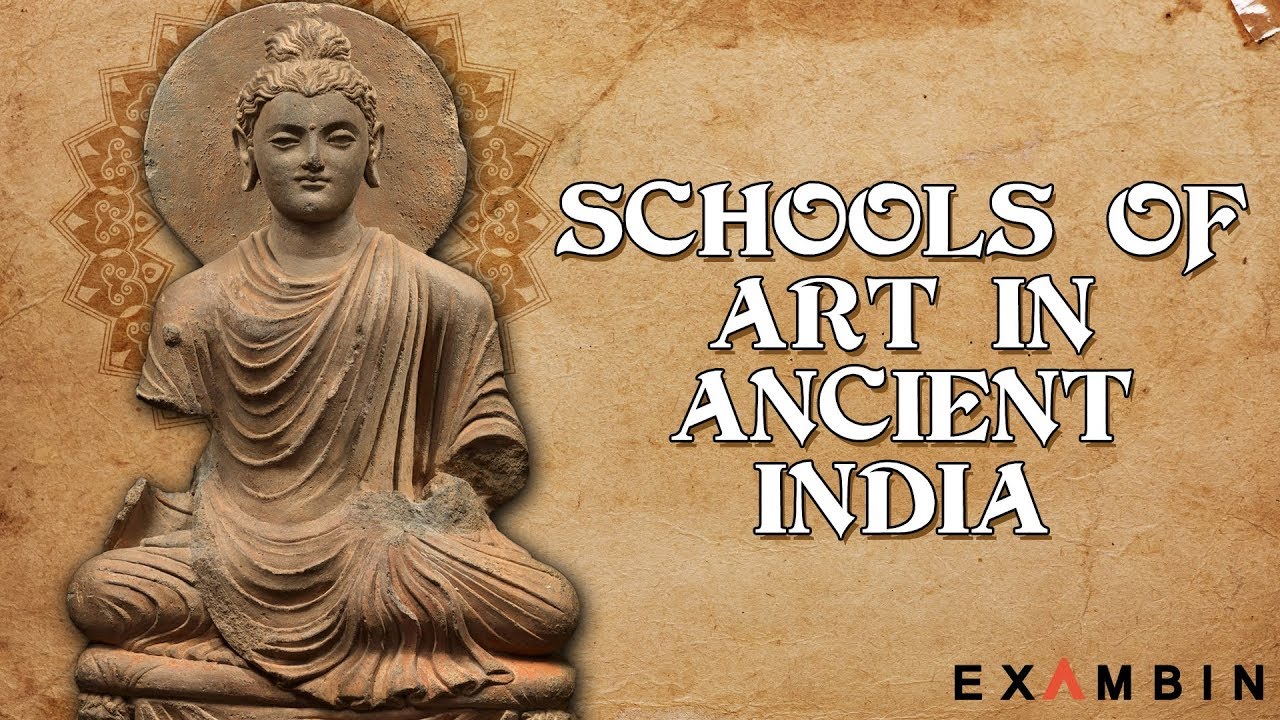
The Mathura School of Art blossomed from the through the grand , marking a key turning point in Indian sculpture. Centered in Mathura in northern India, this creative tradition introduced humanlike images of sacred figures for Buddhism, Jainism, and Hinduism. Its unique work in red sandstone established standard patterns for Indian religious art, making it an essential topic for students preparing for history and culture exams.
🎯 In this chapter, you will understand:
- The origin and evolution of the Mathura School of Art from to the .
- How local red sandstone was used to carve sacred images for Buddhism, Jainism, and Hinduism.
- The blending of native artistic styles with external Greek and Iranian cultural influences.
- The lasting impact of Mathura's sculptures on later Indian art traditions.
💡 Why this topic matters: Mathura art set the template for human forms of deities across major Asian religions, shaping visual culture for centuries.
🧠 Core Idea: A shift from symbolic representations to dynamic, humanlike statues using distinct local red sandstone under royal support.
Mathura School of Art: Historical Development and Pioneering Iconography (2nd Century BCE - Gupta Period)
The Mathura School of Art grew into a primary artistic center, shaping sculptural work across the Indian subcontinent through creative and varied production.
The city of Mathura held a strategic position that helped it become a main center for religious art. It functioned as a creative hub where native methods met outside ideas to form clear devotional forms.
- (i) The school remained active over a long era, starting around the and continuing its influence well into the . This movement marked an important change in Indian sculpture, moving from abstract symbols to human figures.
- (ii) Craftsmen mainly used local spotted red sandstone to carve figures representing the major faiths of the era: Buddhism, Jainism, and Hinduism.
- (iii) A notable creative step was showing sacred figures with extra body parts, such as additional heads and arms. This pattern began in Hinduism around the and became a standard feature in Indian religious art.
Early History: Origins and Pre-Mauryan Artistic Roots
The roots of Mathura's artistic lineage go back past its monumental phase. Early hints of human figures appear in older native cultures and initial works made during the .

Pre-Mauryan Period: Early Artistic Suggestions
The earliest foundations of this artistic tradition trace back to the ancient Indus Valley and Copper Hoard cultures, showing a long regional history of humanlike forms. Clay pottery from the Black and Red Ware culture () offers proof of early art practices near Mathura. These steps led to humanlike deity images by the middle of the , likely encouraged by contacts with other cultures.
- (i) Figures depicted in human form began to appear, possibly shaped by contact with outside cultural groups.
- (ii) Early regional pottery, especially from the Black and Red Ware culture, highlights the established artistic habits of the area.
Mauryan Period: Early Terracotta Finds (322–185 BCE)
While Mathura was not the primary art hub during the large , the city maintained active workshops. Excavations support this through clay figurines of female figures and mother goddesses, showing steady local art production before the school expanded.
- (i) Early output concentrated on smaller, portable objects like mother goddess figurines rather than the large stone statues made later.
- (ii) These objects confirm active art production during the (), linking ancient regional methods with the later stone carving movement.
Development and Distinctive Features of Mathura Sculpture
The defining style of the Mathura School took clear shape in the post-Mauryan era, when large stone statues combining local strength with outside details became its hallmark output.
Post-Mauryan Period: The Rise of an Indigenous Style (180 BCE–70 BCE)
Even with exposure to Indo-Greek influence, Mathura built its own distinct artistic path during this phase, particularly through its solid stone carvings. This era produced large-scale figures that displayed regional skill while absorbing select outside ideas.
- (i) Famous early achievements include the large Parkham Yaksha and Mudgarpani Yaksha statues (), which blend native Indian strength with subtle Greek stylistic touches.
- (ii) These large statues established the school's standing for crafting imposing, full-sized religious images.
Sculptural Characteristics: Yakshas and Urban Patronage
The Mathura School earned wide recognition for its large stone statues of Yakshas—nature spirits revered for their connections to water, rich soil, and wealth. These statues show the clear energy and natural posture characteristic of the Mathura approach.
- (a) Many Yaksha statues stood about two meters tall, requiring skilled craftsmanship from local stonecutters.
- (b) They were usually placed in city shrines and built within focused workshops, showing that wealthy residents supported large art projects.
Eclectic Influences: Greek, Iranian, and Local Styles
Positioned along major trade paths, Mathura gathered ideas from major artistic locations like Bharhut and Sanchi, while also incorporating details from Iranian and Indo-Greek styles. This combination formed a balanced visual approach.
- (i) Greek stylistic influence appears in natural figure shapes, detailed cloth folds on garments, and lively relief panels.
- (ii) Iranian touches show up in building details, such as Persepolitan column tops featuring animal-headed human forms and notched wall patterns.
- (iii) Large Yaksha statues, especially the Parkham Yaksha, became key symbols of how these varied cultural strands merged into Mathura's visual style.
Early Reliefs and Statuary: The Salabhanjika Pose
Early Mathura art centered mostly on carved relief panels used to decorate sacred structures like stupas. These panels focused on nature spirits, showing early skill in carving grace and fluid forms.
- (i) A frequent subject was the Yakshini, often carved in the graceful Salabhanjika pose, showing a female figure picking flowers or fruit from a tree branch.
- (ii) The Mehrauli Yakshi (around ) offers a clear example of the precise detail and skill reached by Mathura artists in early standalone statues.
Key Characteristics: Materials, Patronage, and Religious Iconography
The core features of the Mathura School rest on its choice of stone, stable financial backing from rulers, and the broad range of religious figures it carved in human form.
Patronage and Materials: Kushan and Gupta Support
The school's most active period was backed by strong rulers. Art flourished under official support, first from Kushan rulers and later under Gupta emperors, providing the resources needed for long-term production.
- (i) The main material was locally quarried red sandstone with light spots, which gave the sculptures their noticeable reddish color.
- (ii) While red sandstone was standard, artists also worked with schist and marble for select pieces.
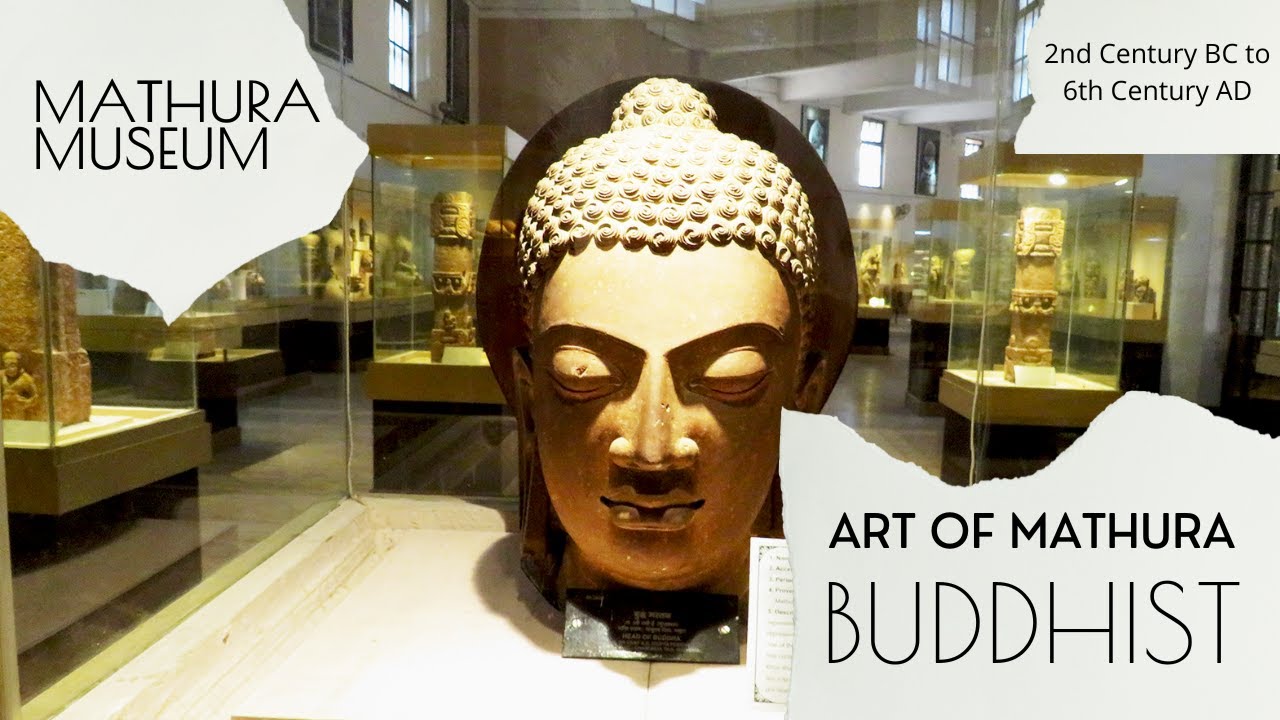
Iconography: The Buddha, Bodhisattvas, and Jain Tirthankaras
The Mathura School holds a central place in the growth of Indian devotional art, creating standard human forms of figures that guided later religious imagery.
- (i) Carved subjects included the Buddha, Bodhisattvas, Hindu deities, Jain Tirthankaras, and powerful Yakshas.
- (ii) Images of the Buddha were made using specific mudras (symbolic hand gestures) and poses, showing distinct moments from his life and core ideas.
- (iii) The overall approach combined native Indian features with Greek and Roman stylistic details, resulting in active, naturalistic figures.
⚡ Quick Revision Capsule: Mathura School of Art Features
A quick summary of the core elements that define the Mathura artistic tradition:
| Feature | Details & Description | Historical Context |
|---|---|---|
| Primary Material | Red sandstone (often spotted) from local quarries | Used across to |
| Key Patronage | Royal backing from Kushan and Gupta rulers | Supported long-term stone workshops |
| Religious Focus | Multi-religious: Buddhism, Jainism, and Hinduism | Pioneered early human forms of deities |
| Iconic Motifs | Yakshas, Yakshinis in Salabhanjika pose, and multi-armed gods | Reflected native nature worship and growing temple rites |
| Style Fusion | Indigenous vigor mixed with Greek folds and Iranian motifs | Resulted from trade routes passing through Mathura |
Mathura’s Legacy and Enduring Influence on Indian Art
The patterns set by the Mathura School left a lasting impression that guided Indian sculpture for centuries, cementing its role as a foundation for regional art.
Continuity and Shaping Later Art Traditions
The Mathura style maintained strong influence across India and reached into nearby regions, especially during the height of the (). Its stylistic and iconographic ideas formed the base for later sculptural methods.
- (a) The school set the visual groundwork for several later Indian art movements, including Gupta sculpture, eastern Pala art, and southern Chola bronze and stone works.
- (b) Mathura remains a significant historic site for followers of Buddhism, Jainism, and Hinduism, drawing visitors and researchers interested in its religious and artistic heritage.
Summary: Mathura School, Transition, and Iconographic Pivotal Role
The Mathura School of Art marked a clear shift away from abstract symbols toward natural, human forms in Indian sculpture. It shaped early visual rules for Hindu deities, advanced Buddhist art by producing early human statues of the Buddha, and developed essential forms for Jain figures. Its influence spread across India and into Central Asia and East Asia. Studying its red sandstone sculptures and blend of Greek and Iranian details remains essential for understanding ancient Indian art history.
📝 Summary
From the through the , the Mathura School revolutionized Indian sculpture by carving human figures for three major faiths using red sandstone. Supported by Kushan and Gupta rulers, it created lasting templates for Asian art.
🚀 Quick Revision Points
Essential facts to review before examinations:
- (i) Main stone: Local spotted red sandstone.
- (ii) Timeline: Flourished from through the .
- (iii) Major patrons: Kushan rulers and Gupta emperors.
- (iv) Major faiths served: Buddhism, Jainism, and Hinduism.
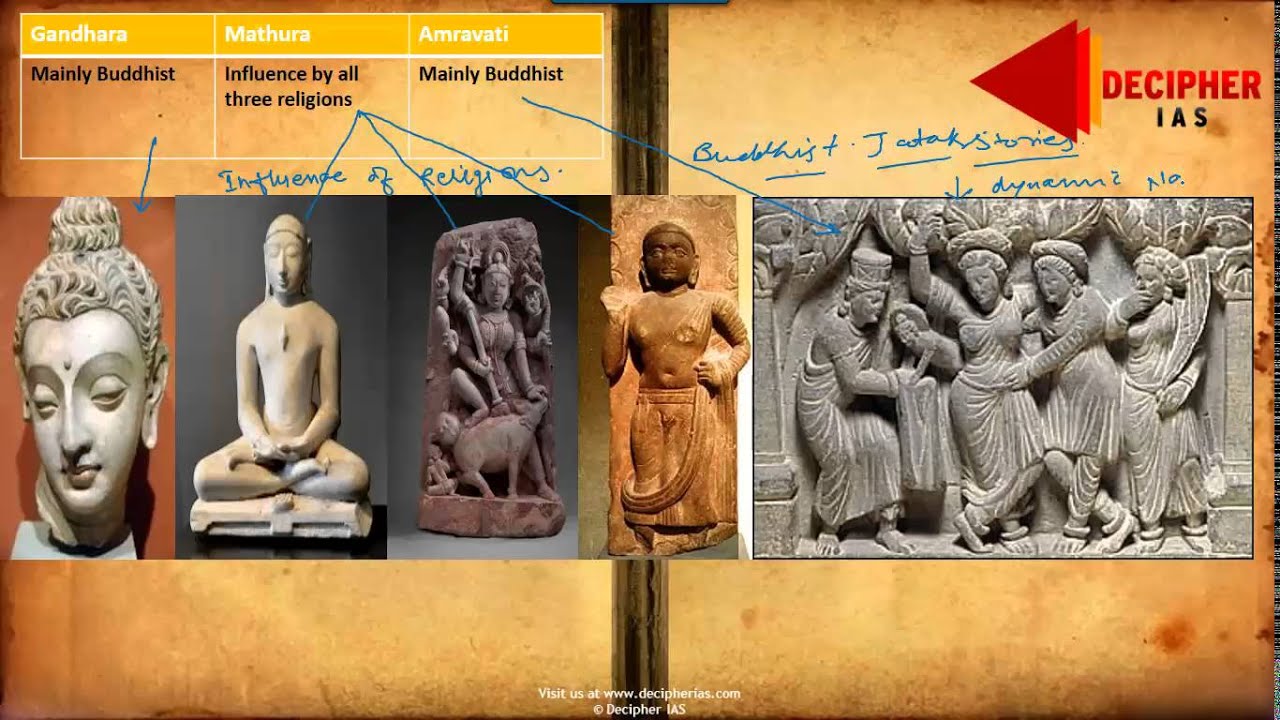
- 💡 Exam Tip: Remember that Mathura is famous for pioneering the human form of the Buddha and multi-armed Hindu deities in local red sandstone, whereas Gandhara art used grey schist.
❓ Frequently Asked Questions (FAQ)
Frequently Asked Questions about Mathura Art School
Q1: What is the Mathura School of Art known for?
A1: It is best known for creating early human statues of the Buddha, Hindu gods, and Jain figures using local red sandstone.Q2: Which material was primarily used in the sculptures of the Mathura School?
A2: Sculptors mainly used red sandstone, often marked with light spots, gathered from local quarries near Mathura.Q3: What was the significance of Buddha sculptures in the Mathura School?
A3: Mathura was among the first centers to carve the Buddha in human form rather than using symbols like footprints or umbrellas.Q4: Which religious traditions did the Mathura School contribute to?
A4: It produced devotional sculptures for three major traditions: Buddhism, Jainism, and Hinduism.Q5: What are the distinct characteristics of Mathura School sculptures?
A5: Key features include natural human forms, smooth body surfaces, thin drapery, and early depictions of multi-armed deities.
Multiple Choice Questions (MCQs) for Mathura School Art Exam Prep
Test your knowledge on key facts regarding this artistic movement:
- Which material is most commonly associated with the Mathura School of Art?
- A. Marble
- B. Red sandstone
- C. Granite
- D. Bronze
- Answer: (B) Red sandstone
- Which religious figure is prominently featured in Mathura School art?
- A. Confucius
- B. Buddha
- C. Jesus Christ
- D. Zarathustra
- Answer: (B) Buddha
- What is a notable characteristic of Mathura School sculptures?
- A. Depiction of gods with multiple arms
- B. Use of bronze and iron for casting
- C. Realistic portrayal of human forms and symbolic gestures
- D. Sculptures with minimal detailing and abstract designs
- Answer: (C) Realistic portrayal of human forms and symbolic gestures
- The Mathura School of Art flourished most during which period?
- A. Gupta Period
- B. Mauryan Period
- C. Kushan Period
- D. Harsha Period
- Answer: (C) Kushan Period
- Which of the following was not a feature of Mathura School art?
- A. Fusion of Greco-Roman elements
- B. Use of red sandstone
- C. Depiction of Jain Tirthankaras
- D. Focus on abstract designs
- Answer: (D) Focus on abstract designs
GS Mains Questions and Model Answers on Mathura School
Detailed analysis for exam preparation and advanced study:
- Q1: Discuss the influence of foreign art styles on the development of the Mathura School of Art.
- Model Answer: The Mathura School of Art integrated foreign stylistic details, particularly during the Kushan period. Elements from Greek and Iranian art—such as natural drapery folds and specific column caps—were blended with traditional Indian styles. This mixture helped refine human figure carving while keeping Indian religious subjects at the center.
- Q2: Evaluate the contribution of the Mathura School to Buddhist art and iconography.
- Model Answer: Mathura played a central role in Buddhist visual culture by creating early human statues of the Buddha. Moving away from purely symbolic representation, Mathura artists developed standard poses and hand gestures (mudras) that influenced Buddhist art across Asia.
- Q3: Analyze the role of Mathura School of Art in the promotion of Hindu and Jain religious art.
- Model Answer: Beyond Buddhist works, Mathura served as an active center for Hindu and Jain imagery. Artists carved early multi-armed forms of Hindu deities and created seated or standing figures of Jain Tirthankaras, establishing lasting iconographic rules for both faiths.