The Caste System in India has a long history, starting from the , which created deep social layers. Learning about the historical evolution of caste and the discrimination faced by Dalits is very important for students preparing for history and social studies exams. Major reform movements, British policies, and the Constitution of India were key in fighting these inequalities, making this a vital topic for academic success.
🎯 In this chapter, you will understand:
- How the Varna system hardened into a rigid social structure.
- The role of British rule in challenging traditional caste hierarchies.
- The impact of social reformers like Jyotiba Phule and B.R. Ambedkar.
- How the Indian Constitution provides legal safeguards against discrimination.
💡 Why this topic matters: It helps us understand the roots of social inequality in India and the long struggle for human dignity and fairness.
🧠 Core Idea: Social reform, legal intervention, and education are the main tools that helped dismantle the rigid caste system over time.
Evolution, Discrimination, and Reform of the Caste System in India: A Historical Journey
The caste system grew over many years, affecting daily life, jobs, and education through strict rules.
Historical Roots of the Varna System
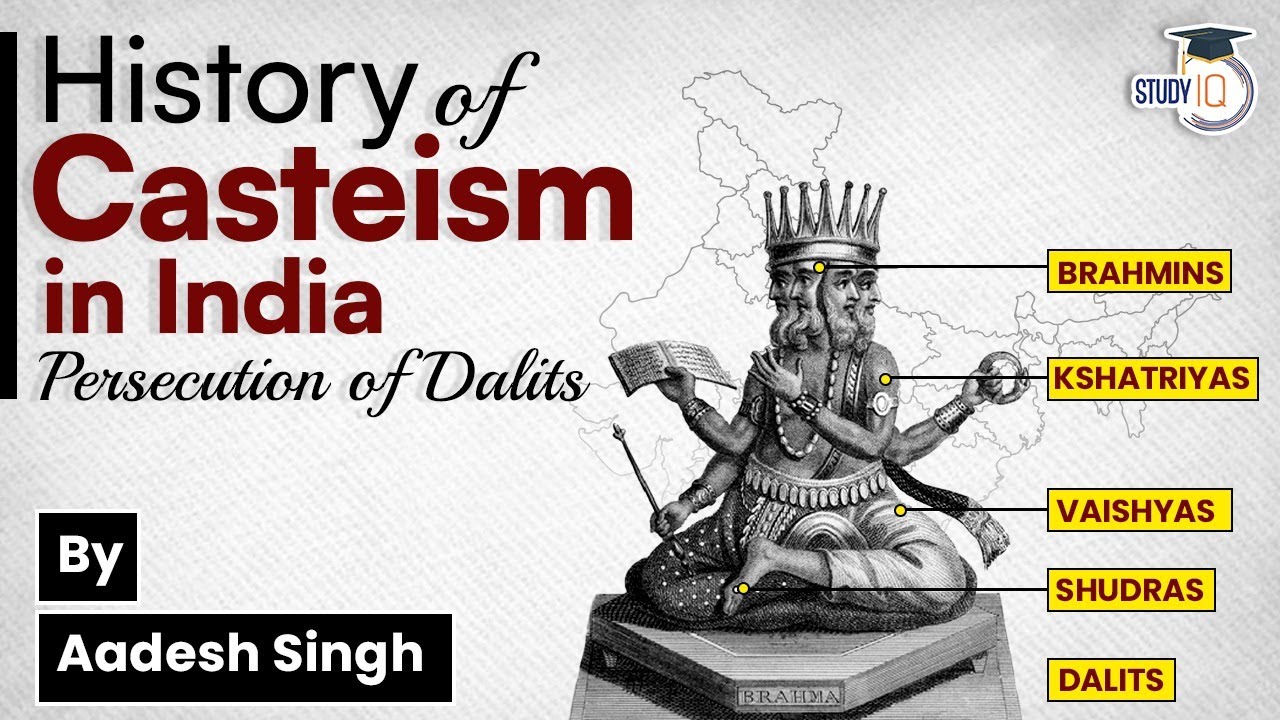
Indian social life began with a more open structure that later became the Varna system. Eventually, birth became the only thing that decided a person's future, which defined Indian society for generations.
- (i) The later-Vedic caste system split into many sub-castes due to migration, new crafts, and mixing of different groups.
- (ii) It controlled social rules like owning property, choosing a job, and getting an education, meaning your socio-economic status was something you were born into.
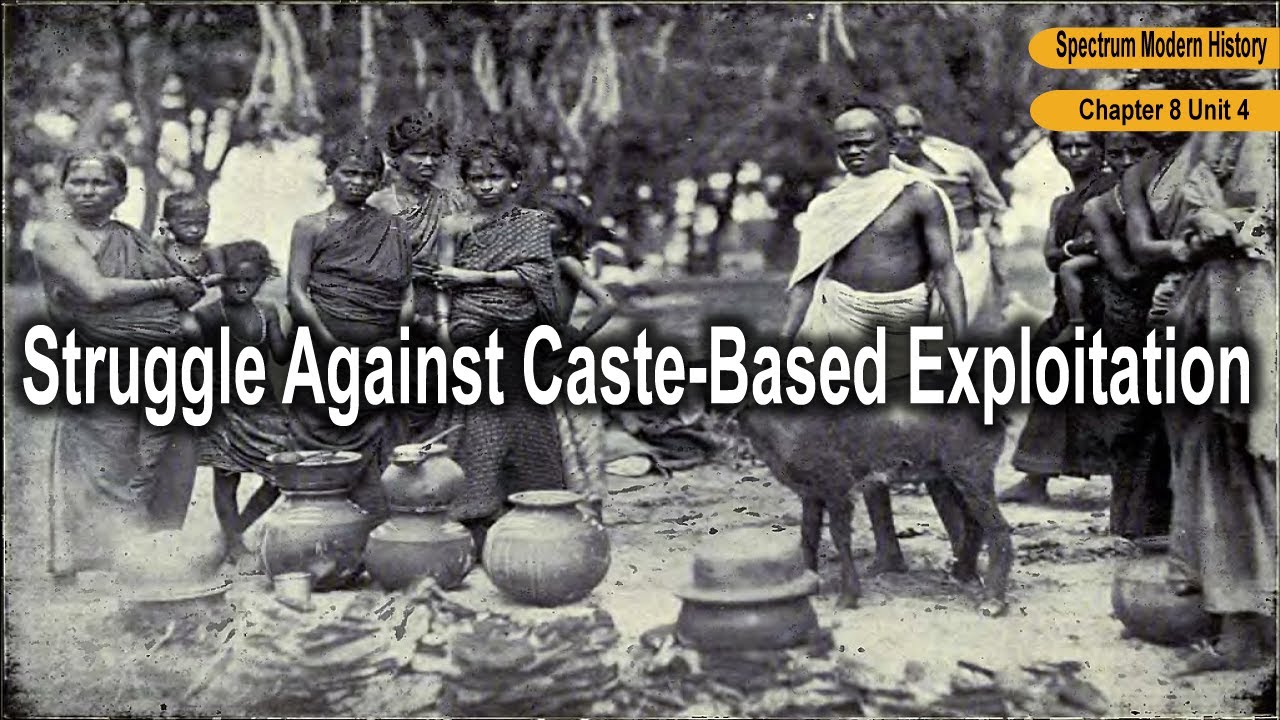
- (iii) 'Untouchables' (referred to as Scheduled Castes/Dalits) suffered from harsh exclusion and unfair treatment, keeping them on the outside of the village economy.
Factors Mitigating Caste-Based Discrimination: British Rule, Reform Movements, and the Constitution
A mix of new laws, social movements, and constitutional rights helped weaken caste-based discrimination in India.

Impact of British Rule and Modernity
The arrival of the British East India Company brought western ideas of legal equality that helped break down traditional social barriers.
- (i) The British introduced the idea of equality before the law, where people were judged by new legal systems rather than old Dharmashastras.
- (ii) Government jobs were opened up, which challenged the old Brahminical monopoly on running the state.
- (iii) The growth of cities and factories created new ways to earn a living, making it harder to maintain strict caste consciousness in public spaces.
Social Reform Movements and Renaissance
During the Indian Renaissance, great thinkers worked hard to remove unfair practices from the Hindu social order.
Key Organizations and Leaders
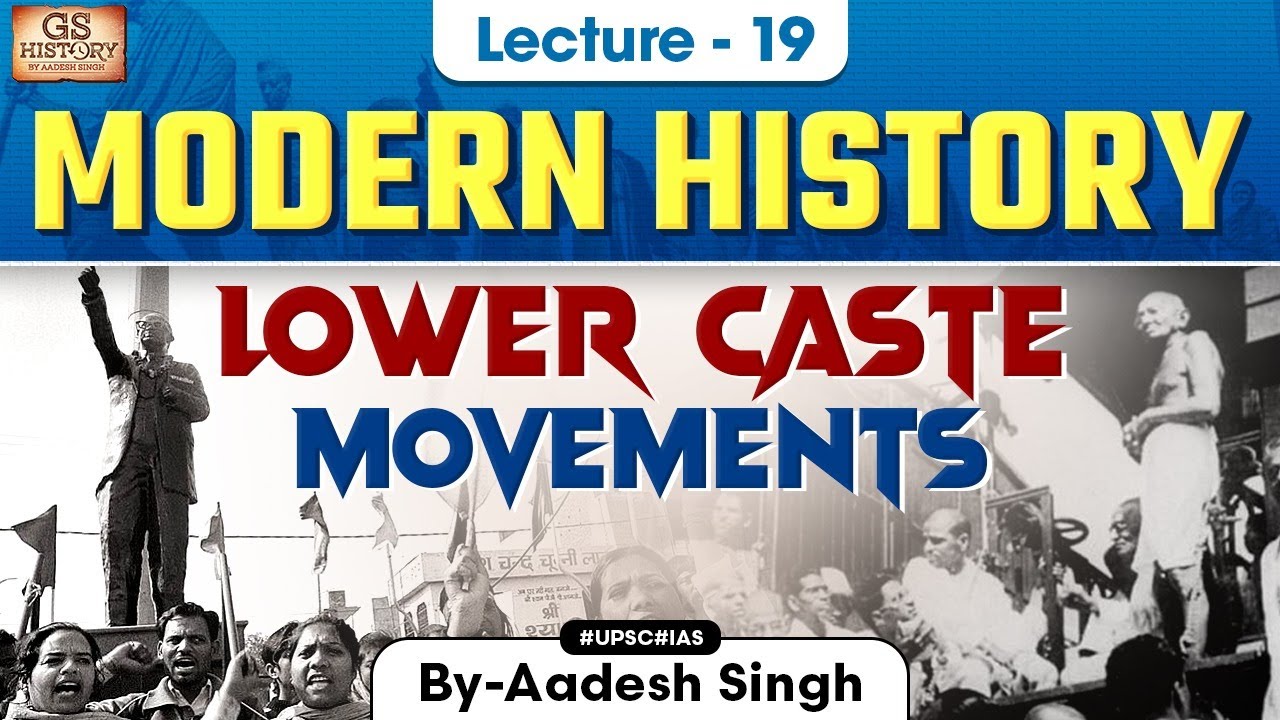
Groups like the Brahmo Samaj and Arya Samaj fought against caste rules, while leaders like Jyotiba Phule and B.R. Ambedkar led the fight for the rights of the marginalized.
Visionary leaders who fought for social equality. - Reform Focus: Many groups pushed for Vedic purity over birth-based rules.
- Active Advocacy: Leaders demanded things like inter-caste dining and marriage equality to break social norms.
- Education: Education was seen as the most important tool for the freedom of untouchables.
- National Movement: The fight for Swaraj included social unity, with leaders like Mahatma Gandhi calling for the end of untouchability.
⚡ Quick Revision Capsule: Caste Reform Movements
Key organizations and their roles in the fight for social equality.
| Organization / Leader | Core Focus | Impact |
|---|---|---|
| Jyotiba Phule | Education for girls & lower castes | Challenged elite dominance |
| Brahmo Samaj | Social Reform | Promoted equality |
| All India Harijan Sangh | Eradication of Untouchability | National awareness |
| Bahishkrit Hitakarini Sabha | Dalit rights | Social organization |
| Constitution (1950) | Legal Protections | End of discrimination |
📝 Summary
The Caste System has a long, difficult history, but it faced major challenges from reformers and the creation of the Republic of India. By understanding the contributions of people like Dr. B.R. Ambedkar, students can better grasp how India became a more democratic society.
🚀 Quick Revision Points
Essential facts to review before examinations:
- (i) The Varna system eventually created rigid social walls.
- (ii) British rule introduced secular laws that disrupted old caste power.
- (iii) Article 17 of the Constitution officially abolished untouchability.
- (iv) The Mahad Satyagraha was a turning point for political mobilization.
- 💡 Exam Tip: When writing about the caste system, focus on the shift from social norms to legal rights provided by the Indian Constitution.
❓ Frequently Asked Questions (FAQ)
Q1: What role did the British play in changing the caste system?
A1: They introduced equality before the law, which meant people were no longer governed solely by traditional religious texts.Q2: How did Jyotiba Phule support lower castes?
A2: He focused on education as the primary way to break the cycle of discrimination and started schools for girls.Q3: What did Article 17 do for Indian society?
A3: According to Constitution of India guidelines, it made the practice of untouchability a punishable crime.