Explore the vast Powers and Functions of the Prime Minister within the Indian democratic framework, with special focus on the Prime Minister’s role under the Constitution of India. This detailed explanation is important for students preparing for competitive examinations such as UPSC and SSC, because it explains the working of executive authority, the Prime Minister’s influence over the Union Council of Ministers, and the relationship between the government and Parliament.
🎯 In this chapter, you will understand:
- Why the Prime Minister is called the real executive head of India.
- How the Prime Minister leads, controls, and coordinates the Council of Ministers.
- How the Prime Minister communicates with the President under Article 78 of the Constitution.
- How the Prime Minister influences Parliament, national bodies, foreign policy, and crisis management.
💡 Why this topic matters: The Prime Minister is the central figure in the day-to-day working of the Union Government. Understanding this office helps students understand how laws are made, how ministers work together, and how the elected government functions in a parliamentary democracy.
🧠 Core Idea: The Prime Minister is the head of the Council of Ministers and the main link between the President, the Council of Ministers, and Parliament. The President is the constitutional head of State, while the Prime Minister provides real political leadership and directs the work of the government.
Constitutional Powers and Functions of the Prime Minister in the Indian Political System
The Prime Minister of India occupies a position of unmatched authority and serves as the real executive head of the nation. In simple words, the President is the formal head of the country, but the Prime Minister is the person who actually leads the government and takes major political decisions with the Council of Ministers. The Indian administration works around the Prime Minister because this office gives direction to government policies, coordinates different ministries, and guides the legislative agenda of the ruling party.
The Prime Minister acts as the pivot of the Government of India. This means that most important decisions of the Union Government pass through the Prime Minister’s leadership. The office ensures stability, coordination, and continuity in administration. It also connects the elected representatives in Parliament with the permanent administrative machinery of the country.
- (i) The Prime Minister is the primary driver of the Union Government’s vision and execution.
- (ii) Their authority bridges the gap between the legislature and the executive branches.
- (iii) The role is central to the politico-administrative system, ensuring administrative cohesion.
The Prime Minister in Relation to the Council of Ministers
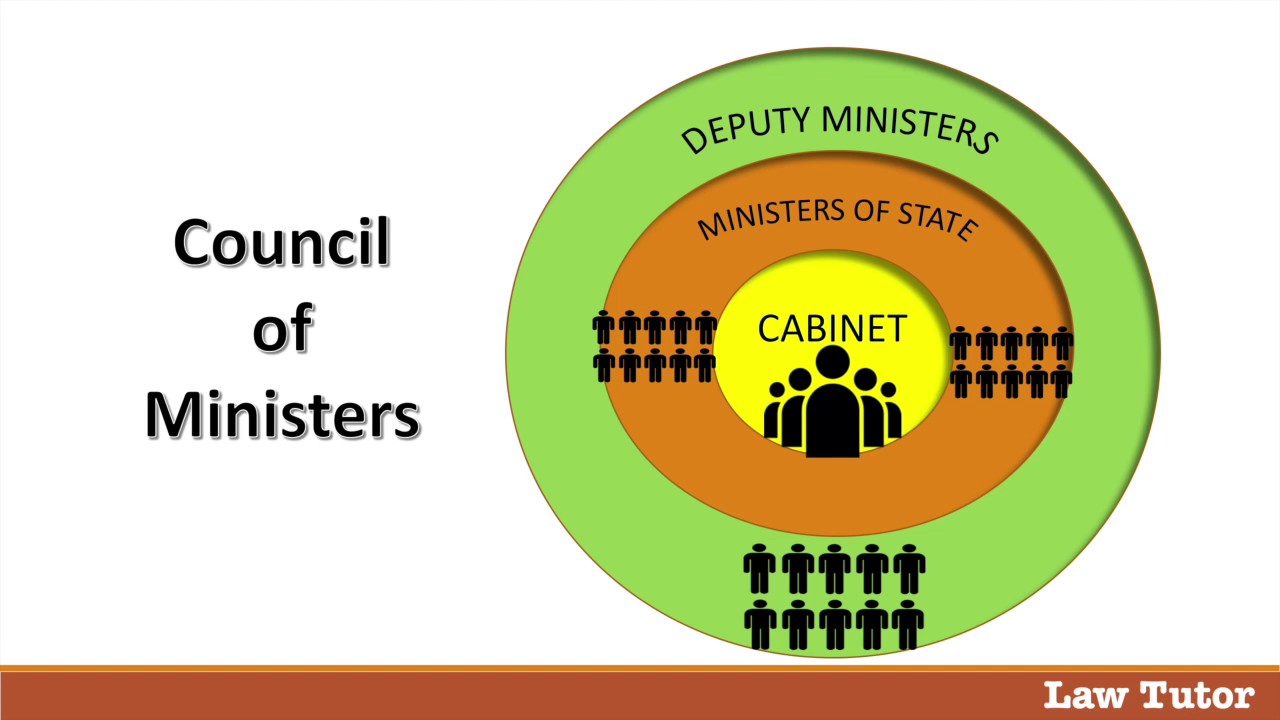
As the undisputed head of the Union Council of Ministers, the Prime Minister holds the reins of the executive team and ensures that the Cabinet functions as one united body. The Council of Ministers includes ministers with different responsibilities, such as home affairs, finance, external affairs, defence, education, and health. Although each minister looks after a particular department, the Prime Minister provides overall leadership and keeps the government moving in one common direction.
This leadership is necessary because a government cannot work properly if every minister follows a separate path. The Prime Minister brings ministers together, settles differences where possible, and makes sure that the government speaks with one voice before Parliament and the public.
Authority Over Ministerial Appointments and Governance
The Prime Minister is the architect of the Council of Ministers and has the practical authority to choose the team that will govern the nation. By recommending names of individuals for appointment, the Prime Minister effectively decides the composition of the government. The President appoints ministers, but the President acts on the advice of the Prime Minister in this matter.
This power is important because the Prime Minister can select experienced leaders, capable administrators, and representatives from different regions or coalition partners. A balanced Council of Ministers helps the government manage the country more effectively.
- (i) Selection and Recommendation: Only those individuals recommended by the Prime Minister can be appointed as ministers by the President.
- (ii) Portfolio Management: The Prime Minister allocates departments and can reorganize ministerial portfolios at any time to improve efficiency.
- (iii) Disciplinary Control: In cases of serious disagreement, the Prime Minister can ask a minister to resign or advise the President to dismiss them.
- (iv) Chairing Meetings: The Prime Minister presides over meetings of the Council of Ministers and strongly influences collective decisions.
- (v) Supervision: They guide, lead, and coordinate the activities of all ministers to maintain harmony in the government.
- (vi) The Ultimate Power: By resigning from office, the Prime Minister can bring about the collapse of the entire Council of Ministers.
Consequences of the Prime Minister’s Resignation or Demise
The office of the Prime Minister is so central that its sudden vacancy has immediate and serious effects on the existence of the government. The Prime Minister is not just one minister among many; the entire Council of Ministers is formed around the Prime Minister’s leadership. Therefore, when the Prime Minister leaves office, the government may lose its political foundation.
Automatic Dissolution of the Ministry
The death or resignation of the incumbent Prime Minister automatically dissolves the Council of Ministers. This happens because the Council exists as a team under the Prime Minister’s leadership. When the leader goes, the team as a whole loses its authority to continue as the government.
- (i) The death or resignation of the incumbent Prime Minister automatically dissolves the Council of Ministers.
- (ii) This creates an immediate political vacuum that must be filled by the ruling party or coalition.
Distinction from Other Ministerial Vacancies
The departure of any other minister only creates a vacancy and does not affect the survival of the government. For example, if a Health Minister resigns, the government continues to function. The Prime Minister may appoint a new minister for that department or may keep the portfolio temporarily under their own control.
- (i) The departure of any other minister merely creates a vacancy that does not affect the government’s survival.
- (ii) The Prime Minister may choose to fill such a vacancy or keep the portfolio under their direct control.
The Prime Minister as the Link to the President
Under the Constitution, the Prime Minister serves as the primary channel of communication between the President and the executive council. This means that the Prime Minister carries information, decisions, and advice between the President and the Council of Ministers. The arrangement keeps the constitutional head of State informed while allowing the elected government to function smoothly.
The Prime Minister also advises the President on important constitutional and administrative matters. In this way, the Prime Minister becomes a bridge between the ceremonial authority of the President and the practical working authority of the government.
Administrative and Advisory Duties to the Head of State
The Prime Minister carries the constitutional obligation to keep the President informed about the affairs of the Union and the legislative roadmap under Article 78. This duty ensures that the President is not kept unaware of major government decisions. It also helps maintain transparency and coordination between the head of State and the Council of Ministers.
- (i) Reporting Decisions: Communicating all decisions made by the Council of Ministers concerning the administration of Union affairs.
- (ii) Legislative Proposals: Furnishing all information relating to administration and proposals for legislation that the President may call for.
- (iii) Council Review: If the President so requires, the Prime Minister must submit for consideration by the council any matter on which a decision has been taken by a minister but which has not been considered by the council.
Advising on High-Level Constitutional Appointments
The Prime Minister plays a pivotal role in the selection of the nation’s top officials by advising the President on the appointment of key constitutional authorities. These appointments matter because the persons selected help protect the legal system, public finances, civil services, elections, and financial relations between the Union and the States.
- (a) Attorney General of India: The chief legal advisor to the Government of India.
- (b) Comptroller and Auditor General (CAG): The guardian of the public purse, who audits government accounts and spending.
- (c) UPSC Chairman and Members: Officials who oversee recruitment to the civil services.
- (d) Election Commissioners: Authorities who help ensure the integrity of the democratic process.
- (e) Finance Commission: The body that decides the distribution of financial resources between the Union and the States.
The Prime Minister’s Role in Relation to Parliament
As the Leader of the Lok Sabha, the Prime Minister exercises significant control over the legislative process and the life of the House. The Lok Sabha is the directly elected House of Parliament, so its support is essential for the government to remain in power. The Prime Minister, as the leader of the majority party or coalition, guides the government’s work in the House and explains official policies to Members of Parliament.
The Prime Minister also helps maintain coordination between the government and Parliament. When important bills, budgets, or policies are introduced, the Prime Minister and the Council of Ministers must explain their purpose and answer questions raised by Members of Parliament.
Management of Legislative Sessions and Policy Announcements
The Prime Minister ensures that the government’s legislative agenda is met through strategic management of Parliament. This includes deciding when Parliament should meet, which policies should be highlighted, and how the government should respond to political challenges in the House.
- (i) Summoning Sessions: Advising the President regarding the convening and proroguing of Parliament sessions.
- (ii) Dissolution of the House: The Prime Minister can recommend the dissolution of the Lok Sabha to the President at any time before its term expires.
- (iii) Floor Leadership: The Prime Minister makes crucial policy announcements on the floor of the House and represents the government’s official position.
Miscellaneous Powers and Global Leadership
The Prime Minister wears many hats and extends influence far beyond the walls of Parliament and the Cabinet. Besides leading the government at home, the Prime Minister represents India before other countries and international organizations. The office also leads major national institutions that plan development, promote unity, manage resources, and respond to emergencies.
In simple terms, the Prime Minister is not only the head of the government but also the main political leader of the country. This makes the office important in ordinary administration as well as during difficult national situations.
Chairmanship of Key National Bodies and Crisis Management
The Prime Minister serves as the ex-officio head of several high-level councils and agencies that shape the nation’s future. Being an ex-officio head means that the person holds the position automatically because of the office they already hold, rather than through a separate election or appointment.

The Prime Minister leads the Council of Ministers, guides Parliament, and represents India in national and international matters. - Planning and Development: Chairs the Planning Commission, now renamed NITI Aayog, and the National Development Council.
- National Unity: Leads the National Integration Council and the Inter-State Council.
- Resource Management: Heads the National Water Resources Council.
- Foreign Policy: Plays a decisive role in shaping the nation’s Foreign Policy and international relations.
- Crisis Manager-in-Chief: Acts as the primary leader during national emergencies and external threats.
- Political Leadership: Serves as the political head of the civil services and leader of the ruling party.
⚡ Quick Revision Capsule: Powers and Functions of the Prime Minister
The following table gives a quick view of the Prime Minister’s major roles. It is useful for last-minute revision before examinations.
| Area | Main Power or Function | Simple Meaning |
|---|---|---|
| Council of Ministers | Recommends ministers, allocates portfolios, chairs meetings, and coordinates their work. | The Prime Minister is the leader of the government team. |
| Ministerial Discipline | Can ask a minister to resign or advise the President to dismiss a minister. | The Prime Minister maintains discipline within the Cabinet. |
| President | Acts as the main link and informs the President under Article 78. | The Prime Minister keeps the President aware of government decisions. |
| Parliament | Advises on sessions, leads the Lok Sabha, and can recommend its dissolution. | The Prime Minister guides the government’s work in Parliament. |
| National Leadership | Chairs NITI Aayog and other councils, shapes foreign policy, and leads during crises. | The Prime Minister provides leadership beyond the Cabinet. |
📝 Summary and Significance for Students
The Prime Minister is the sun around which the planets of the ministry revolve, holding a central and decisive role in India’s politico-administrative system. As Dr. B.R. Ambedkar insightfully noted, the office is comparable to the US President in terms of actual authority. For students, understanding these Powers and Functions of the Prime Minister is vital for mastering Indian Polity and understanding Constitutional Acts and Cabinet Governance.
🚀 Quick Revision Points
Essential facts to review before examinations:
- (i) The Prime Minister is the real executive head and leader of the Council of Ministers.
- (ii) The Prime Minister recommends ministers to the President and allocates or reshuffles portfolios.
- (iii) Under Article 78, the Prime Minister communicates Cabinet decisions and legislative proposals to the President.
- (iv) The Prime Minister is the Leader of the Lok Sabha and can recommend the dissolution of the House to the President.
- (v) The Prime Minister chairs NITI Aayog, leads national councils, shapes foreign policy, and acts as crisis manager-in-chief.
- 💡 Exam Tip: Remember the difference clearly: the President is the constitutional head of State, while the Prime Minister is the real executive head of the government. Also remember that the resignation or death of the Prime Minister dissolves the entire Council of Ministers, but the resignation of another minister creates only a vacancy.
❓ Frequently Asked Questions (FAQ)
Q1: Who is the real executive head of India?
A1: The Prime Minister is the real executive head of India. The President is the constitutional head of State, but the Prime Minister leads the Council of Ministers and directs the working of the Union Government.Q2: What happens if the Prime Minister resigns or dies?
A2: The resignation or death of the Prime Minister automatically dissolves the entire Council of Ministers. The ruling party or coalition then needs to choose a new Prime Minister to form or continue the government.Q3: What are the Prime Minister’s duties under Article 78?
A3: Under Article 78, the Prime Minister must communicate Cabinet decisions on Union administration and legislative proposals to the President, provide information requested by the President, and place certain ministerial decisions before the Council of Ministers when required.