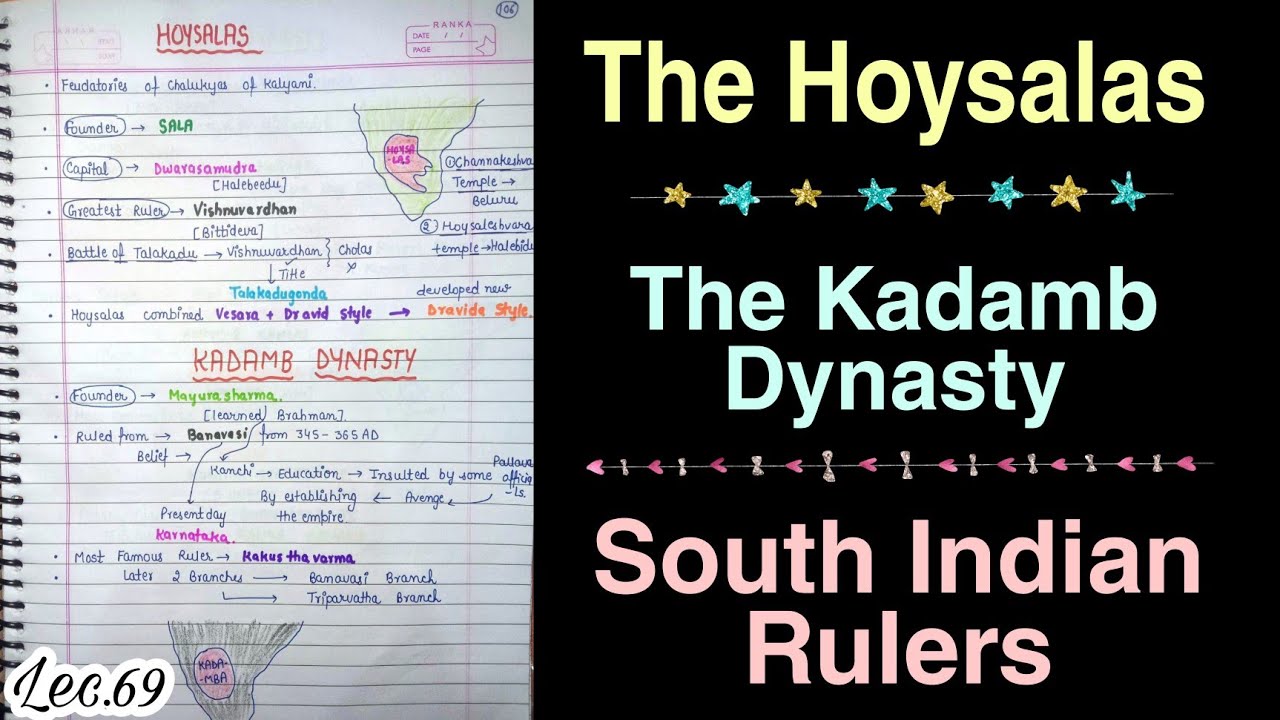
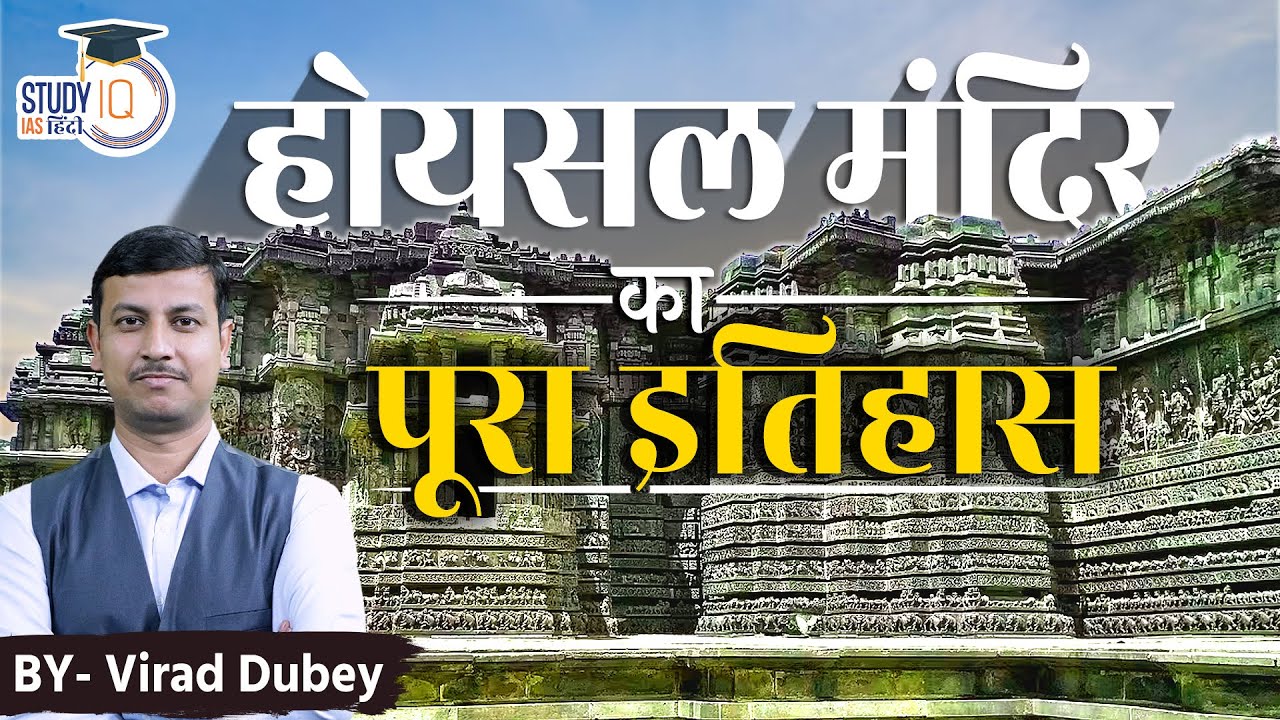
Hoysala architecture represents a mesmerizingly unique and highly ornate expression of Hindu temple architecture that flourished across the Karnataka region between the 11th and 14th centuries. Reaching its absolute zenith during the 13th century, this structural style stands as a historic testament to the artistic genius patronized by the powerful Hoysala Empire. By moving away from conventional designs, these master builders left an unparalleled legacy of intricate stone craftsmanship and deep spiritual expression throughout the Southern Deccan Plateau. Today, these ancient complexes bridge the gap between religious devotion and sophisticated engineering, offering an unvarnished look at medieval India's architectural brilliance.
In this chapter, you will understand:
- The stylistic origins and definitions of Hoysala architecture.
- The evolutionary relationship with the Western Chalukya tradition.
- How the Karnata Dravida architectural system is classified.
- The coexistence of Vaishnava, Shaiva, and Jain sacred shrines.
Why this topic matters: This architectural school outlines a critical milestone in Indian art history, making it highly important for historical research and academic examinations. Its historic value was globally cemented when its key temples were inscribed as a UNESCO World Heritage Site in 2023.
Core Idea: The Hoysala style transformed stone building from basic structures into deeply decorated spiritual monuments. Originating from earlier Chalukyan designs, it produced masterpieces characterized by stellar plan layouts, star-shaped arrangements, and soapstone carvings. These structures housed multiple faiths side-by-side, reflecting unmatched socio-religious harmony.
Hoysala Architecture Overview: Unveiling the Karnata Dravida Style (11th–14th Century)
The Hoysala Empire introduced a profound level of ornamental detail to temple walls, transforming hard stone into fluid, narrative sculptures that depict epics, animals, and divine deities.
Architectural Evolution and Influences: Tracing the Hoysala Temple Design
The unique Hoysala style did not appear out of thin air; it emerged from earlier regional traditions, notably incorporating and then innovating upon the foundational design elements of the Western Chalukya period.
- (i) Iconic masterpieces include the celebrated Chennakesava Temple at Belur, the massive Hoysaleswara Temple at Halebidu, and the highly symmetrical Kesava Temple at Somanathapura.
- (ii) Marking a crowning achievement for this tradition, these three pivotal temples were collectively recognized as a UNESCO World Heritage Site in 2023.
- (iii) Numerous other regional sites showcase this advanced craftsmanship, including historical temples at Belavadi, Amruthapura, Hosaholalu, Mosale, and Arasikere.
Western Chalukya Precursors and Hoysala Innovation
Early Hoysala temples, built before the dynasty achieved full independence in the mid-12th century, clearly display the aesthetic and structural imprints of the Western Chalukya style. While later temples retained fundamental features, the Hoysalas dramatically enhanced the ornamentation, introducing a unique flair in decoration.
- Approximately three hundred temples built in this distinct style remain standing in present-day Karnataka.
- The highest concentration of these surviving structures is found in the Malnad districts, which served as the indigenous heartland and native home of the Hoysala kings.
Architectural Classification: The Karnata Dravida Tradition
Scholars categorize these historical monuments within a broader regional framework that highlights evolution over multiple centuries of royal patronage.

- Art historian Adam Hardy specifically classifies Hoysala architecture as an integral part of the broader Karnata Dravida tradition, separating its unique style from the classic Dravidian temples found in the Tamil region.
Insights from Temple Inscriptions: Consecration and Donations
Medieval inscriptions carved directly onto the temple premises serve as invaluable historical records, opening an authentic window into the past.
- (a) This tradition spans nearly seven centuries, originating with the Chalukya dynasty of Badami in the 7th century.
- (b) It subsequently developed under the rule of the Rashtrakutas and the Western Chalukyas before reaching its most elaborate and refined form during the Hoysala period.
- (c) Stone records shed direct light on the financial donations made by royalty, wealthy merchants, and commoners alike.
- (d) They systematically document the specific consecration details of the deities alongside technical architectural specifications of the structures.
Temple Deities and Worship: Religious Harmony in the Hoysala Era
Hoysala temples evolved from basic, single-shrine rooms into highly complex, multi-shrine structures designed to facilitate the devotee’s path to spiritual transcendence, characterized by a remarkable harmony between different Hindu and Jain sects.
- The layout of these compounds explicitly supported pluralism, ensuring that different religious communities received royal validation and funds.
Vaishnava and Shaiva Temple Dedications: Keshava and Shiva Linga
While the temples were primarily dedicated to the major deities Shiva or Vishnu, the dynasty ensured an equitable number of shrines for both traditions.

Kesava Temple in Somanathapura - Intricate Carvings and Architectural Brilliance of Hoysala Temples - Vaishnava Temples: Shrines like the famous Chennakesava Temple at Belur are devoted to Keshava, one of the primary forms (avatars) of the God Vishnu.
- Shaiva Temples: Temples such as the grand Hoysaleswara Temple at Halebidu feature the sacred Shiva Linga as the principal object of veneration in the sanctum.
Jain Temples and Ritual Structures: Tirthankaras and Pushkarni
The Hoysala patronage also extended warmly to the Jain faith, with dedicated basadis and essential ritual structures constructed for the community.
- Several Hoysala temples, including those in Halebidu, contain magnificent sculptures of the Jain Tirthankaras.
- For ceremonial bathing and rituals, stepped architectural wells known as Pushkarni or Kalyani were systematically constructed alongside the temples.
- The Doddagaddavalli Lakshmi Devi Temple stands as a notable exception to the dominant Shaiva-Vaishnava polarity, as it is uniquely dedicated to Goddess Lakshmi, the Hindu deity of wealth and prosperity.
Quick Revision Capsule
A structured breakdown of the primary architectural hubs and milestones of the Hoysala era:
| Temple & Location | Primary Deity & Sect | Key Historical & Structural Feature |
|---|---|---|
| Chennakesava Temple (Belur) | Devoted to Keshava (Vaishnava) | Commissioned by King Vishnuvardhana; features legendary architectural finesse. |
| Hoysaleswara Temple (Halebidu) | Houses the Shiva Linga (Shaiva) | Dsplit-shrine monument featuring massive arrays of detailed wall friezes. |
| Kesava Temple (Somanathapura) | Dedicated to Janardhana, Venugopala, and Keshava | A perfectly preserved Trikuta (triple-shrine) complex with a star-shaped plan. |
| Lakshmi Devi Temple (Doddagaddavalli) | Dedicated to Goddess Lakshmi | An early, unique Chatuskuta (four-shrine) design built before full independence. |
| Halebidu Basadis | Venerates Jain Tirthankaras | Stands as physical proof of state-supported religious harmony and coexistence. |
Summary
The architectural tradition of the Hoysala Empire stands as one of the most remarkable chapters in the history of the Indian subcontinent. By heavily utilizing soft chloritic schist (commonly known as soapstone), their artisans managed to carve incredibly minute details that were impossible to achieve on harder granite blocks. From the star-shaped layouts of their foundations to the stepped Kalyani pools and highly informative stone inscriptions, these monuments successfully blended structural stability with aesthetic luxury. The official recognition of these sites by UNESCO in 2023 underscores the timeless relevance of preserving these cultural treasures for generations to come.
Quick Revision Points
Keep these essential historical facts in mind for quick study or examination review:
- (i) Core Era: Developed primarily between the 11th and 14th centuries within modern-day Karnataka.
- (ii) Material Inventions: Heavy use of soft soapstone allowed craftsmen to execute ivory-like jewelry details on temple friezes.
- (iii) Architectural Lineage: Grows directly out of the Karnata Dravida tradition, evolving from the Western Chalukyas.
- (iv) Global Status: Belur, Halebidu, and Somanathapura components were declared a UNESCO World Heritage Site in 2023.
- Exam Tip: If an exam question asks about the stylistic classification of Hoysala temples, always classify them under the Karnata Dravida tradition rather than standard Dravidian styles. Remember that the soft stone used is called chloritic schist (soapstone), and watch out for the unique four-shrine exception at Doddagaddavalli!
Frequently Asked Questions (FAQ)
Q1: What makes Hoysala architecture distinct from regular Dravidian styles?
A1: Unlike traditional block-style Dravidian monuments, Hoysala temples feature star-shaped platform plans (jagati), highly intricate soapstone carvings, and multiple shrines joined into a single complex under ornate towers.Q2: Which temples were inscribed into the UNESCO World Heritage list in 2023?
A2: The three sacred ensembles include the Chennakesava Temple at Belur, the Hoysaleswara Temple at Halebidu, and the Kesava Temple at Somanathapura.Q3: Did the Hoysala rulers only build Hindu temples?
A3: No. The dynasty practiced great religious pluralism, providing extensive royal patronage to the Jain faith by constructing beautiful basadis alongside their prominent Shaiva and Vaishnava monuments.