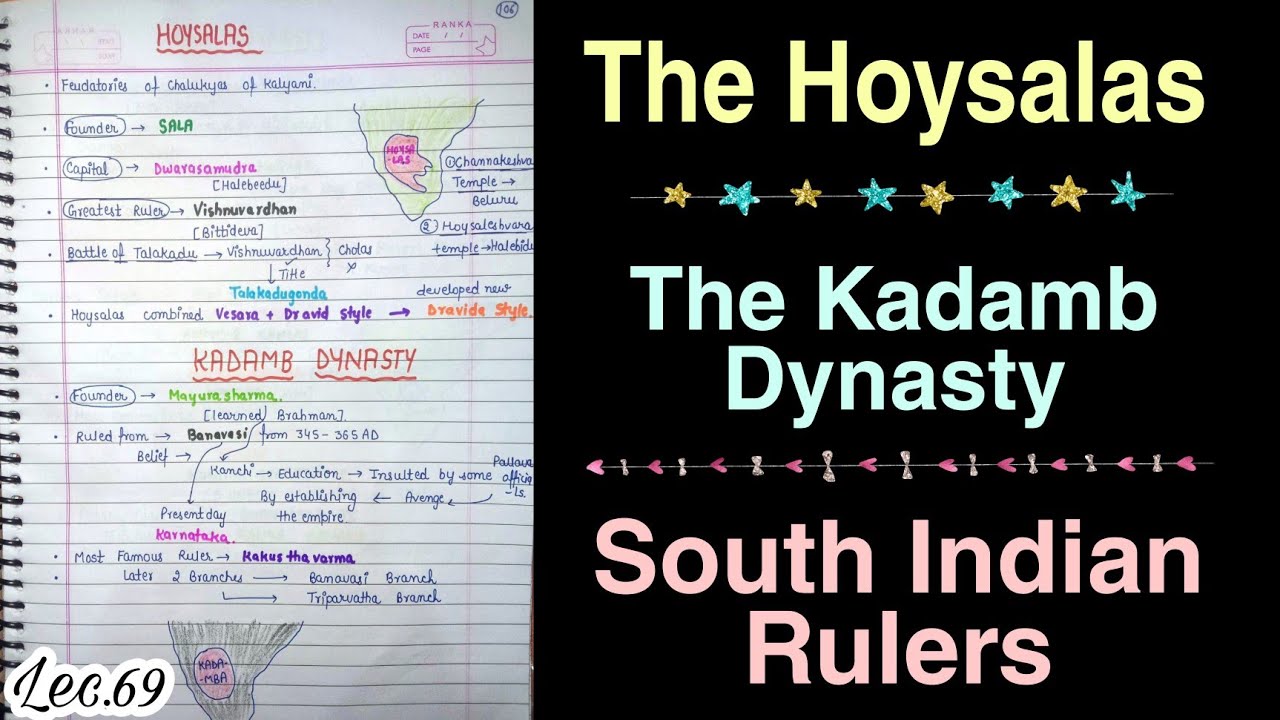
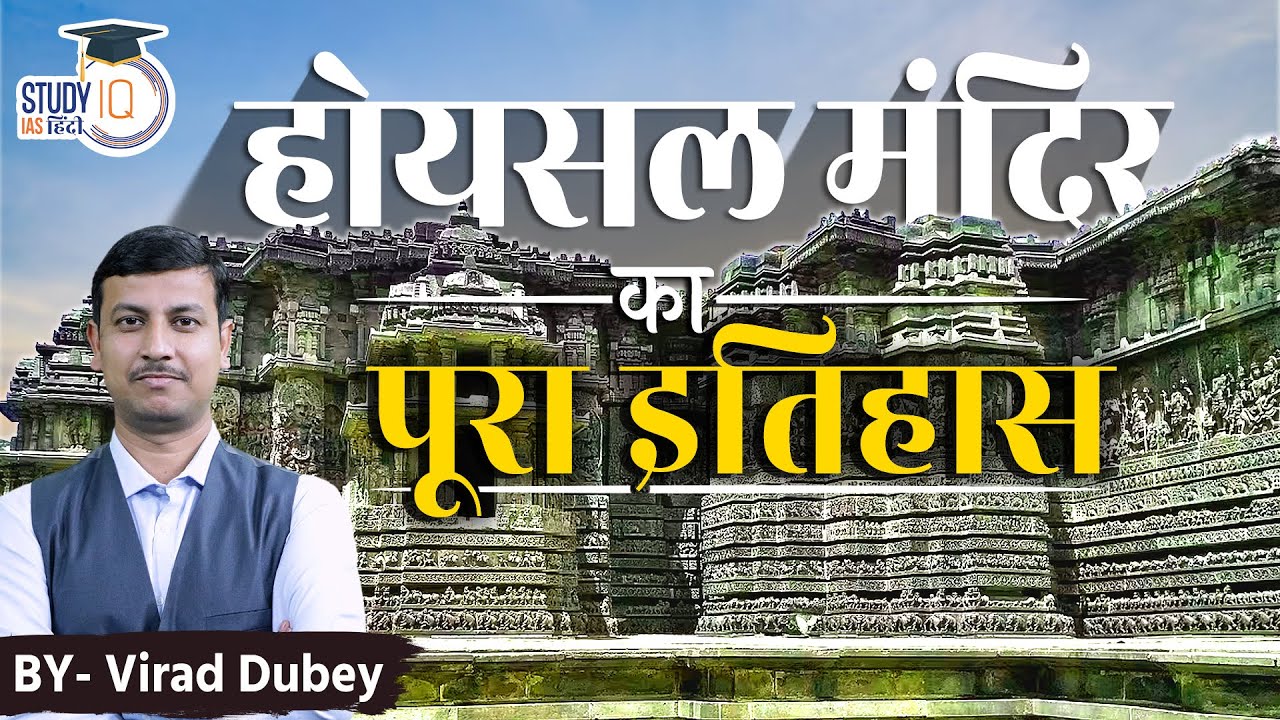
The Hoysala kingdom maintained a highly sophisticated and hierarchical administrative structure to govern its vast South Indian territories effectively during the 11th to 14th centuries. At its peak, this governance model balanced a powerful centralized monarchical authority with organized local autonomy. By study of historical records, we see that the system successfully synchronized the actions of the supreme sovereign, royal family members, powerful provincial feudatories, a dedicated central bureaucracy, and self-governing local assemblies. Understanding this administrative network explains how the Hoysala Empire sustained economic prosperity, maintained public security, managed legendary architectural projects, and held its political ground against rival southern powers for generations.
In this chapter, you will understand:
- The central power sharing and judicial authority of the Hoysala Monarch and Crowned Queens.
- The hierarchical standing of the Yuvaraja, Mandaleshvaras, and lower hereditary chiefs.
- The functions of central ministers like Maha-Pradhans and military bureaucrats known as Dannayakas.
- The practical layout of local administration across villages (urs), districts (nadus), and commercial hubs.
Why this topic matters: This subject highlights how ancient Indian empires utilized decentralized governance and sophisticated bureaucratization to maintain order, proving that regional administration relied on check-and-balance systems rather than blind absolute despotism.
Core Idea: The Hoysala administration was a beautifully layered state system. The King sat at the peak as the supreme lawmaker and judge, while executive powers were delegated out to trusted cabinet ministers, army generals, regional lords, and municipal leaders who directly sustained stability across both rural fields and bustling urban trade centers.
Hoysala Kingdom Administrative Structure and Role of Officials
The monarch stood as the absolute supreme head of the realm. However, operational survival required splitting these heavy responsibilities among an elaborate network of regional representatives, state ministers, and local corporate groups.
The Monarch and Queens: Supreme Authority and Justice in Hoysala
The Hoysala King embodied the legislative, executive, and judicial apex of the state, while royal women also exercised genuine, formalized administrative clout.
- (i) The ultimate operational philosophy of the King was traditionally summarized as “to restrain the evil and to protect the good” (Coelho, 1950: 180), positioning him as the moral and lawful guardian of the realm.
- (ii) Serving directly as the final court of appeal, the King regularly held court to hear grievances and dispense justice, keeping a clear link between the common citizenry and the crown.
- (iii) Records prove that Crowned Queens in the Hoysala kingdom wielded actual administrative authority, frequently governing provinces, whereas Uncrowned Queens were confined strictly to ceremonial and courtly spheres.
Yuvaraja and Feudatories: The Administrative Hierarchy
The regional layers of the empire relied on the Yuvaraja (the heir-apparent) and a tier-based framework of subordinate lords who kept peripheral territories bound tightly to the core capital.
- (a) The Yuvaraja: As the recognized successor and second-in-command, the Yuvaraja frequently managed major provinces as a governor; despite this royal rank, his immediate operational authority was often balanced or superseded by senior military commanders known as dannayakas.
- (b) Mandaleshvaras: These individuals were the powerful subject-princes. They consisted of autonomous regional rulers or former dynastic vassals of the older Chalukyas or Rashtrakutas, holding a political status similar to the reigning Crowned Queens.
- (c) Lower Feudatories: Ranked below the major princes were the mandalikas (minor rulers) and the samantas (frontier chiefs) who held hereditary land tenures in exchange for continuous military service and political loyalty.
Central Bureaucracy: Dannayakas and Maha-Pradhans
The daily execution of imperial decrees was run by an elite class of officials who served dual functions as political administrators and frontline military commanders.
- (i) Dannayakas / Dandanayaks: These were the most crucial figures in the state, serving concurrently as elite army generals and high-ranking bureaucratic executives in the central government.
- (ii) Maha-Pradhans: These officials functioned directly as the King’s primary advisors, making up the inner advisory circle or royal cabinet.
- (iii) Prestigious Titles: Highly capable officers were awarded honorary titles such as Sarvadhikari (Supreme Authority), Param-Visvasi (Trusted Confidant), and the premium rank of Bahattara-Niyogadhipati (Master of 72 Officers).
- (iv) Oversight: To curb administrative overreach, the crown employed special roving state inspectors, called Vicaris and Rajyadhyaksis, tasked with monitoring the actions of powerful regional dannayakas.
Foreign Affairs, Local Governance, and Judicial Ideals
The physical preservation of the empire depended equally on professional external diplomacy, structured municipal or village self-governance, and clear judicial equity during conflicts.

Foreign Affairs, Diplomacy, and Military Honors
Survival in the competitive landscape of medieval South India required specialized diplomatic handling and institutional rewards for military sacrifices.
- (a) The Sandhi-Vigrahi: This essential officer operated as the foreign minister, looking after overall state diplomacy, organizing strategic military alliances, drafting peace treaties, and handling wartime intelligence.
- (b) Military Leadership and Honors: While sovereigns often led expeditions personally, field commands were routinely given to generals styled as Senapatis or Samasta-Senadhipatis, a large percentage of whom came from the Brahmana community.
- (c) War Recognition: Successful commanders received high ritual honors, such as the presentation of betel leaves by the sovereign. In tandem, families of soldiers killed in action were compensated with revenue-free land grants to ensure their life-long maintenance.
Local Administration: Villages, Towns, and Market Centers
The baseline units of the empire were managed via local corporate bodies, separating territories neatly into agricultural tracts, market towns, and provincial clusters.
- (i) Rural Structure: The countryside was primarily built of standard agrarian, non-Brahmana villages known as urs, supported by smaller outlying agrarian settlements called kaluvallis.
- (ii) District Governance: Groups of these local villages were combined into an administrative district termed a nad or nadu, which was supervised by regional executives known as Ad-Heheggade (Sheriffs) and Nad-Prabhus (Deputy Sheriffs).
- (iii) Urban Centers: Major market towns, known as Pattanas, served as core economic hubs populated by merchant guilds like the Nanadesis; they were managed locally by Pattanasvamis (Mayors), while administrative headquarter capitals were designated as Rajadhani-Pattanas.
Law and Order, and the Principles of Hoysala Justice
The state kept firm law-enforcement standards to foster economic movement while respecting the rights of peaceful agrarian populations.
Inscribed stone tablet recording legal codes and imperial decrees concerning civic property rights. - (i) Crime and Punishment: Strict judicial compliance was expected throughout the realm, and magistrates handed out severe physical or financial punishments to deter lawbreakers and maintain social stability.
- (ii) Security: To protect international and local trade routes, armed highway patrols were stationed along commercial roads to safeguard moving merchant caravans from banditry.
- (iii) Civilian Compensation: A highly advanced aspect of Hoysala justice was the formal requirement for the state to pay financial compensation to local farmers if imperial military battalions caused accidental damage to crops or private lands during marches.
Quick Revision Capsule
This reference framework summarizes the core components of the administrative hierarchy of the empire:
| Administrative Rank / Unit | Core Officials in Charge | Primary Institutional Function |
|---|---|---|
| Imperial Center | King, Crowned Queens, & Maha-Pradhans | Supreme executive policy, final judicial appeal, and high statecraft |
| Provinces & Feudatory Lands | Yuvaraja, Mandaleshvaras, & Dannayakas | Regional military command, tribute gathering, and border security |
| Central Executive Corps | Sandhi-Vigrahi, Vicaris, & Rajyadhyaksis | Foreign affairs management and internal ministerial surveillance |
| Nadu (Districts) | Ad-Heheggade & Nad-Prabhus | Inter-village police duties, taxation supervision, and local dispute settlements |
| Pattanas & Urs | Pattanasvamis & Local Assemblies | Municipal trade organization, marketplace infrastructure, and agrarian asset management |
Summary
The administrative legacy of the Hoysala Empire shows that its political durability relied on institutional depth rather than sheer military coercion. By tracking duties from the inner cabinet down to the district sheriffs and municipal town mayors, the state created an ecosystem where international trade flourished alongside massive temple-building programs. Its emphasis on checking the power of governors through specialized imperial inspectors, providing pensions for fallen warriors, and compensating farmers for military transit damage shows an advanced understanding of civic responsibility and state durability.
Quick Revision Points/Notes
Keep these essential exam takeaways in mind for structural analysis:
- (i) The Hoysala sovereign held undisputed final judicial and legislative authority across all crown lands.
- (ii) Crowned Queens held active political portfolios and territorial governorships, unlike uncrowned queens.
- (iii) The Dannayakas performed dual duties, operating as battlefield generals and high-ranking executive bureaucrats.
- (iv) Towns (Pattanas) were supervised by dedicated mayors called Pattanasvamis, working alongside global trade guilds.
- Exam Tip: Pay close attention to terms like Sandhi-Vigrahi (foreign minister), Dannayaka (general-bureaucrat), and Nadu (district). Examiners regularly test these specific administrative titles in match-the-following or identification questions regarding medieval South Indian history.
Frequently Asked Questions (FAQ)
Q1: What was the main difference between Crowned and Uncrowned Queens in the Hoysala system?
A1: Crowned Queens were granted authentic political portfolios, administrative funds, and the authority to govern specific territories. Uncrowned Queens held a purely ceremonial status and exercised no direct executive control over state systems.Q2: How did the Hoysala King keep check on the powerful regional Dannayakas?
A2: The King used special state inspectors known as Vicaris and Rajyadhyaksis. These officers traveled through provinces to monitor local records, audit collections, and ensure generals did not abuse their local influence.Q3: Did the Hoysala administrative model provide any protections for civilian property?
A3: Yes. The judicial framework required the state to provide financial compensation to civilians if military movements accidentally caused property damage or destroyed standing agricultural crops.