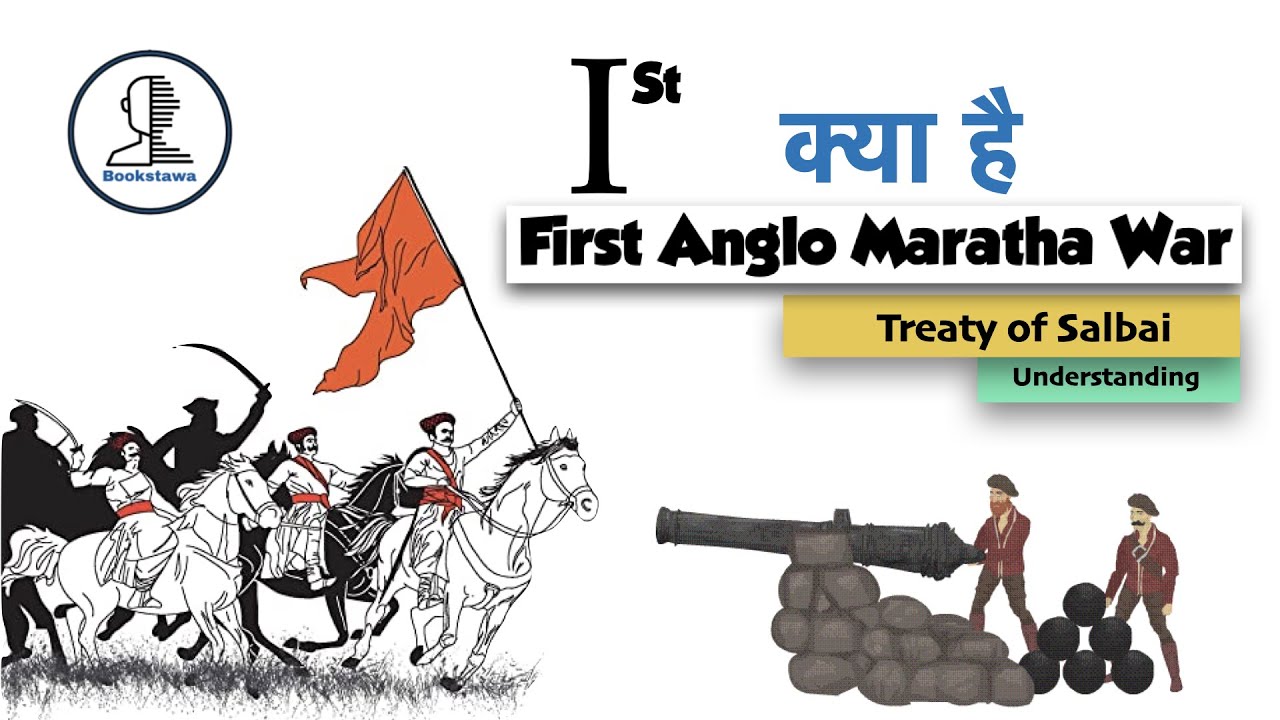
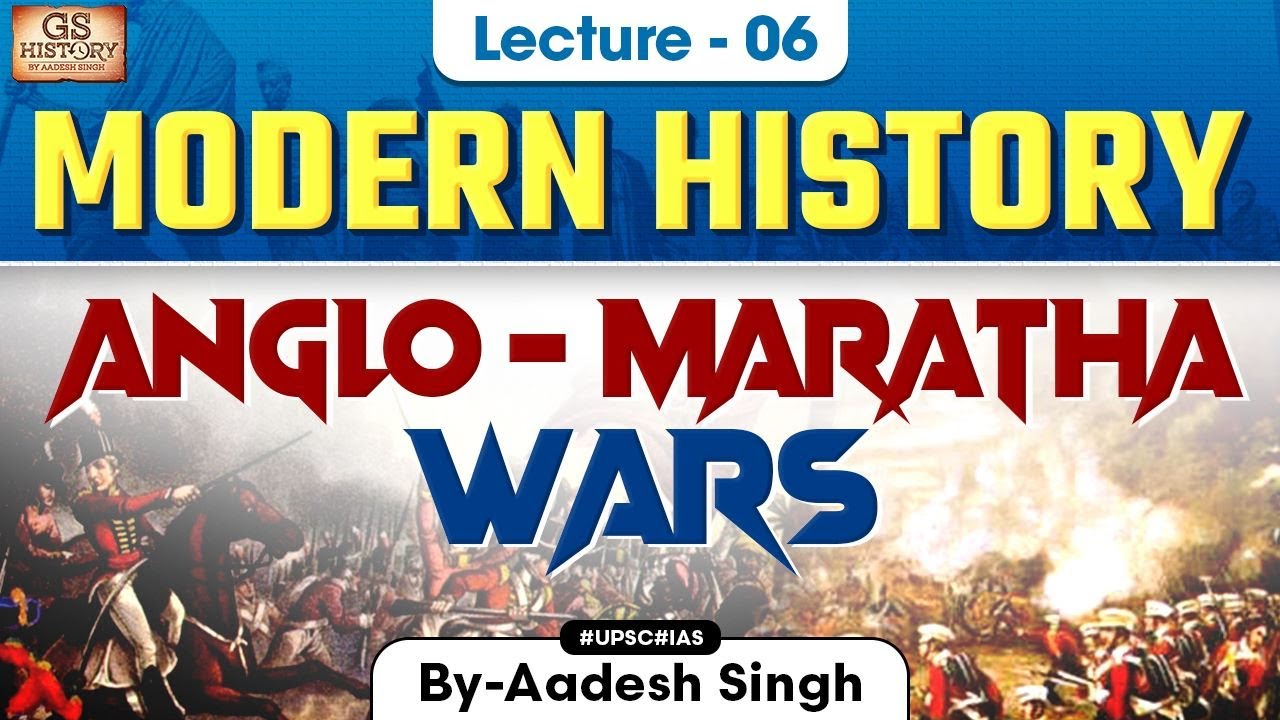
The First Anglo-Maratha War (), a key conflict in India, matched the growing power of the British East India Company against the resilient Marathas. Built on internal Maratha succession fights and opposing agreements like the Treaty of Surat () and the Treaty of Purandhar (), this war shaped colonial expansion across the region. For students of Indian history, understanding these events helps explain British-Maratha relations and the eventual shift in regional power.
🎯 In this chapter, you will understand:
- The internal succession crisis after the death of Peshwa Madhavrao I.
- The role of the Barabhai Confederacy led by Nana Phadnavis.
- The military tactics used at Talegaon and Wadgaon.
- The lasting impact of the Treaty of Salbai in establishing twenty years of peace.
💡 Why this topic matters: It marks the first direct military confrontation between the British East India Company and the Maratha Empire, setting the stage for future British dominance in India.
🧠 Core Idea: British interference in internal Maratha family disputes led to an eight-year war that ended in a stalemate, secured by strategic Maratha military tactics and clever diplomacy.
First Anglo-Maratha War (1775–1782): Historical Background, Diplomatic Key Treaties, and Enduring Political Outcomes
The conflict started from a succession crisis within the Maratha leadership, which gave the British a chance to step into regional politics.
The death of Peshwa Madhavrao I in created political instability that the British attempted to use to their advantage.
- (i) The immediate cause was the death of Peshwa Madhavrao I in . His brother, Narayanrao, became the new Peshwa (head of administration).
- (ii) Narayanrao's uncle, Raghunathrao, challenged this claim, arranged Narayanrao's murder, and declared himself Peshwa without widespread support.
- (iii) Narayanrao's widow, Gangabai, later gave birth to a son named Sawai Madhavrao, who was recognized as the rightful heir to the position.
The Barabhai Confederacy and Raghunathrao’s Political Alienation
Maratha leaders formed a governing council to support the infant Peshwa, forcing Raghunathrao to look outside for military support.

Formation of the Powerful Barabhai Council
To protect the young heir, twelve leading Maratha leaders formed a group called the Barabhai Confederacy.
- (i) This group was led by the statesman Nana Phadnavis, who acted as guardian for young Sawai Madhavrao.
- (ii) The Barabhai Confederacy worked as regents to oppose Raghunathrao and keep Maratha administration unified.
Initial Diplomatic Moves: The Controversial Treaties of Surat (1775) and Purandhar (1776)
Raghunathrao turned to British officials in Bombay, setting off a chain of conflicting diplomatic agreements.
The Treaty of Surat (1775): The British-Bombay Intervention
Raghunathrao signed the Treaty of Surat in with the Bombay branch of the British East India Company to gain military support.
- (i) In exchange for British troops, Raghunathrao offered control of regional territories.
- (ii) He agreed to transfer Salsette and Bassein, along with revenues from the ports of Surat and Bharuch.
The Treaty of Purandhar (1776): Calcutta Council’s Annulment Attempt
The central British leadership in Calcutta, headed by Warren Hastings, disapproved of the Bombay council's action and sent Colonel Upton to negotiate a new agreement.
- (i) The resulting Treaty of Purandhar () cancelled the Treaty of Surat and accepted young Sawai Madhavrao as the legal Peshwa.
- (ii) The British kept control of Salsette, while Raghunathrao was given a pension to step down from his claims.
French Angle and British Escalation of Tensions
Tensions rose again when Maratha leadership sought links with other European forces.
- (i) In , Nana Phadnavis granted the French access to a port on the west coast to balance British influence.
- (ii) The British viewed this move as a threat, which renewed military actions between the Company and Maratha forces.
The Pivotal Course of the First Anglo-Maratha War: Maratha Strategic Superiority and the Wadgaon Humiliation
Maratha forces used knowledge of local terrain and supply lines to surround advancing British armies.
Battle of Pune and Talegaon: The Scorched Earth Tactics
Under the leadership of Mahadji Sindhia, Maratha troops used defensive movement and resource management against British troops.
- (i) Maratha units drew British forces toward Talegaon while destroying local wells, food sources, and supplies along the path.
- (ii) Caught in the hilly terrain of the Western Ghats without supplies, British forces had to retreat.
The Humiliating Treaty of Wadgaon (1779)
Surrounded at Wadgaon in , British officers surrendered to Maratha commanders.
- (i) The signed Treaty of Wadgaon required the British to give up territories captured since , including Salsette and Bassein.
- (ii) British forces were made to retreat back toward Bombay.
Warren Hastings' Response and Renewal of Conflict
Governor-General Warren Hastings rejected the terms agreed at Wadgaon and sent fresh troops to continue the campaign.
- (i) General Goddard captured Ahmedabad and Bassein.
- (ii) Captain Popham took control of the fort at Gwalior, a central stronghold held by Mahadji Sindhia.
⚡ Quick Revision Capsule: Key Treaties of the First Anglo-Maratha War
A comparison of the major treaties signed during the conflict:
| Treaty Name | Year Signed | Key Terms & Outcomes |
|---|---|---|
| Treaty of Surat | Signed by Raghunathrao and Bombay Council; ceded Salsette and Bassein for British military aid. | |
| Treaty of Purandhar | Signed by Calcutta Council; cancelled Surat treaty, recognized Sawai Madhavrao as rightful Peshwa. | |
| Treaty of Wadgaon | Signed after British surrender at Talegaon; required return of all lands taken since . | |
| Treaty of Salbai | Negotiated by Mahadji Sindhia; guaranteed 20 years of peace and recognized Sawai Madhavrao as Peshwa. |
The Treaty of Salbai (1782): Provisions and Establishment of Twenty Years of Peace
Detailed negotiations led by Mahadji Sindhia brought the eight-year conflict to an end.
Key Provisions and Political Implications of the Treaty of Salbai
Signed in , the Treaty of Salbai settled major issues for both sides.
- (i) It established a twenty-year period of peace between the Maratha Empire and the British East India Company.
- (ii) Lands taken since the Treaty of Purandhar were returned to restore previous borders.
- (iii) The British kept control of Salsette and formally recognized Sawai Madhavrao as the Peshwa.
- (iv) British backing for Raghunathrao ended, providing him only a pension.
📝 Summary
The First Anglo-Maratha War () began from internal disputes over leadership and early British treaties like the Treaty of Surat. While Maratha generals earned victories at Talegaon and secured the Treaty of Wadgaon, diplomacy under Warren Hastings and negotiations by Mahadji Sindhia resulted in the Treaty of Salbai in . This treaty brought two decades of peace between both powers.
🚀 Quick Revision Points
Essential facts to review before examinations:
- (i) The death of Peshwa Madhavrao I in started the succession struggle.
- (ii) The Barabhai Confederacy was formed by twelve Maratha leaders led by Nana Phadnavis.
- (iii) Maratha forces used defensive tactics to force the British surrender at Wadgaon in .
- (iv) The Treaty of Salbai () ended the war and secured 20 years of peace.
- 💡 Exam Tip: Focus on the chronological sequence of the four key treaties (Surat, Purandhar, Wadgaon, Salbai) and the roles played by Nana Phadnavis and Mahadji Sindhia.
❓ Frequently Asked Questions (FAQ)
Q1: What caused the First Anglo-Maratha War?
A1: The war started due to succession struggles after Peshwa Madhavrao I died, alongside Raghunathrao seeking British help through the Treaty of Surat.Q2: What was the Barabhai Confederacy?
A2: It was a council of twelve Maratha chiefs led by Nana Phadnavis formed to protect the young heir Sawai Madhavrao and manage administration.Q3: How did the Treaty of Salbai affect British-Maratha relations?
A3: Signed in , it established twenty years of peace, recognized Sawai Madhavrao as the rightful Peshwa, and allowed the British to keep Salsette.