The Parsi Reform Movements in India, including the Rahnumai Mazdayasnan Sabha founded in , were pivotal in rejuvenating the Zoroastrian religion and improving social conditions within the Parsi community. Led by key figures like Dadabhai Naoroji and Naoroji Furdonji, these reforms modernized religious practices, uplifted Parsi women, and promoted westernization and social modernization. Understanding these reforms is crucial for students of Indian social and religious history preparing for competitive exams.
🎯 In this chapter, you will understand:
- The founding and objectives of the Rahnumai Mazdayasnan Sabha in .
- The key contributions of reform leaders such as Dadabhai Naoroji, Naoroji Furdonji, K.R. Cama, and S.S. Bengalee.
- The role of the publication Rast Goftar in spreading reformist ideas across households.
- The social elevation of Parsi women and the movement toward social modernization.
💡 Why this topic matters: This movement highlights how an educated minority community successfully updated their religious rituals and traditional norms to thrive in the modern world while preserving their spiritual core.
🧠 Core Idea: Reclaiming the pure roots of Zoroastrianism through scientific thinking, ending outdated social customs like the purdah system, and advancing female education.
Religious and Social Reforms within the Parsi Community during the 19th Century (1851)
A transformative journey of the Parsi community to reclaim its religious roots and embrace modern social values. The mid-19th century marked a significant turning point for the Zoroastrians in India, as the community began a structured effort to shed outdated customs and revitalize their ancestral faith through organized movements.
- (i) These movements were primarily aimed at the rejuvenation of the Zoroastrian religion and the overall upliftment of social conditions among the Parsis.
- (ii) Prominent reformers focused their intellectual energy on religious modernization, the empowerment of women, and a strategic embrace of social westernization.
- (iii) The movement utilized powerful tools like regional newspapers and formal associations to ensure reformist ideas reached every household.
The Genesis of Rahnumai Mazdayasnan Sabha
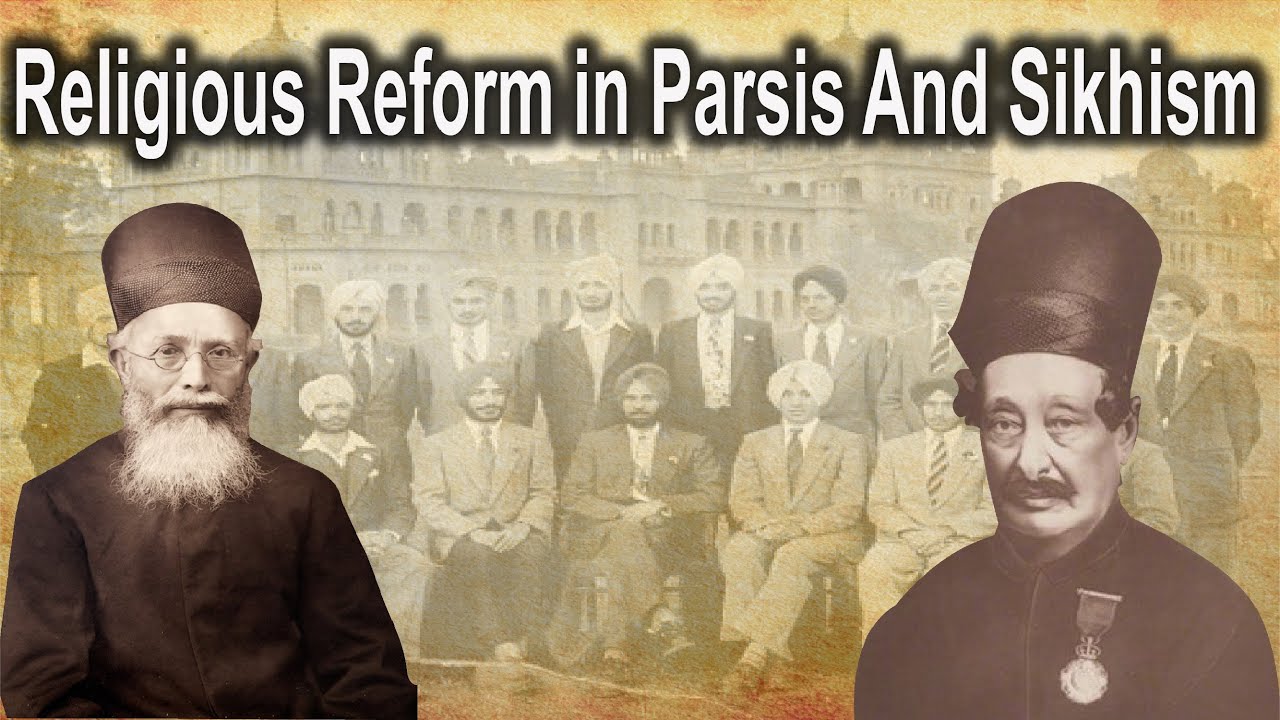
In the year , a group of English-educated Parsis came together to form an association dedicated to restoring the Zoroastrian religion to its original purity and improving the community's social fabric.

Architects of Change: Key Leaders of the Movement
The success of the Rahnumai Mazdayasnan Sabha was driven by the vision of several intellectuals who believed in a harmonious blend of tradition and progress.
The Influence of Naoroji Furdonji and Dadabhai Naoroji
Leading figures who guided the association forward:
- (i) Naoroji Furdonji served as a prominent reformer and a social leader who provided the foundational guidance for the association.
- (ii) Dadabhai Naoroji, often celebrated for his political contributions, was equally dedicated to advocating for modernization and widespread education within the community.
Scholarly Support from K.R. Cama and S.S. Bengalee
Scholarly intellectuals spreading reformist ideas:
- (i) K.R. Cama utilized his scholarly background to contribute significantly to deep-seated social and religious reforms.
- (ii) S.S. Bengalee played a vital role in assisting the dissemination of these progressive ideas to the masses.
Rast Goftar: The Voice of Truth and Reform
The movement required a medium to communicate with the public, leading to the birth of Rast Goftar (The Truth Teller), which became the heartbeat of the Parsi reformation.
- (i) This publication served as the primary newspaper for spreading reformist messages across the Parsi community.
- (ii) It was instrumental in promoting radical changes in religious practices and fostering a new sense of social awareness among its readers.
Restoring the Creed: Religious Reforms and Rituals
Reformers sought to strip away the superstitions that had clouded the faith over centuries, focusing on a return to the core tenets of Zoroastrianism.
- (i) The movement modernized Parsi religious rituals, ensuring they were reflective of contemporary understanding while maintaining their sacred essence.
- (ii) Experts worked to redefine the Parsi creed, ensuring it aligned perfectly with the original Zoroastrian principles of "Good Thoughts, Good Words, and Good Deeds."
Social Transformation and the Path to Modernization
Beyond the temple walls, the movement addressed the daily lives of the Parsis, with a heavy emphasis on gender equality and cultural evolution.
Elevating the Status of Parsi Women
One of the most profound impacts of the reform movement was seen in the changing role of women within the household and the broader society.
- (i) Vigorous efforts were made to remove the purdah system, allowing women to participate more freely in public life.
- (ii) Reformers campaigned successfully for raising the age of marriage for Parsi women to protect their health and future.
- (iii) The promotion of education and general empowerment became a cornerstone of the community's progress.
The Dawn of Westernisation in the Parsi Community
As the community embraced modern education, the Parsis gradually evolved into one of the most progressive and unique segments of the Indian population.
Social modernization and education among Parsi households - (i) Through these reforms, the Parsis gradually became the most westernized section of Indian society, blending global perspectives with local identity.
- (ii) The reform process successfully integrated modern scientific values with traditional practices, creating a model for social modernization.
⚡ Quick Revision Capsule: Parsi Reform Movements (1851)
A structured quick-reference comparison of key figures, publications, and reform outcomes in the Parsi community:
| Aspect | Key Elements / Figures | Impact & Significance |
|---|---|---|
| Primary Organization | Rahnumai Mazdayasnan Sabha (Founded ) | Restored Zoroastrianism to its original purity and targeted outdated social customs. |
| Key Pioneers | Naoroji Furdonji, Dadabhai Naoroji, K.R. Cama, S.S. Bengalee | Provided intellectual leadership, educational promotion, and religious reform strategies. |
| Mouthpiece Newspaper | Rast Goftar (The Truth Teller) | Acted as the voice of reform to spread social and religious awareness across households. |
| Women's Rights | Abolition of purdah system, raising marriage age, female education | Empowered Parsi women to participate actively in public and academic life. |
| Cultural Legacy | Synthesis of traditional ethics with modern scientific values | Transformed the Parsi community into one of the most progressive sections in India. |
Conclusion: Legacy of the Parsi Reform Movements
The Parsi Reform Movements, championed by iconic figures like Dadabhai Naoroji and Naoroji Furdonji, were successful in modernizing the Parsi community through deep-rooted religious reforms, the empowerment of women, and strategic westernization. By utilizing the Rahnumai Mazdayasnan Sabha and the influential newspaper Rast Goftar, these reformers set a precedent for progress. Understanding these shifts is essential for students of Indian social and religious history as they reflect the broader evolution of progressive thought in India.
📝 Summary
Starting in , the Parsi reform movement revolutionized the social and religious landscape of the Parsi community in India. Under the stewardship of leaders like Dadabhai Naoroji and the journal Rast Goftar, outdated rituals were removed and female education was promoted, creating a strong historical legacy of progressive modernization.
🚀 Quick Revision Points
Essential facts to review before examinations:
- (i) The Rahnumai Mazdayasnan Sabha was established in to reform Zoroastrian religious practices.
- (ii) Key leaders included Dadabhai Naoroji, Naoroji Furdonji, K.R. Cama, and S.S. Bengalee.
- (iii) The publication Rast Goftar served as the chief newspaper propagating reformist views.
- (iv) Major social reforms included abolishing the purdah system and promoting education for Parsi women.
- 💡 Exam Tip: Remember the founding year , the association name Rahnumai Mazdayasnan Sabha, and the newspaper Rast Goftar as high-yield facts often tested in modern Indian history exams!
❓ Frequently Asked Questions (FAQ)
Q1: When was the Rahnumai Mazdayasnan Sabha founded and by whom?
A1: It was founded in by English-educated Parsis, including Naoroji Furdonji and Dadabhai Naoroji.Q2: What was the main objective of Rast Goftar?
A2: Rast Goftar (The Truth Teller) served as the reformist newspaper to spread awareness about social modernization and Zoroastrian religious purity.Q3: What were the key social reforms aimed at Parsi women?
A3: Major reforms included eliminating the purdah system, raising the minimum age of marriage, and expanding female literacy.