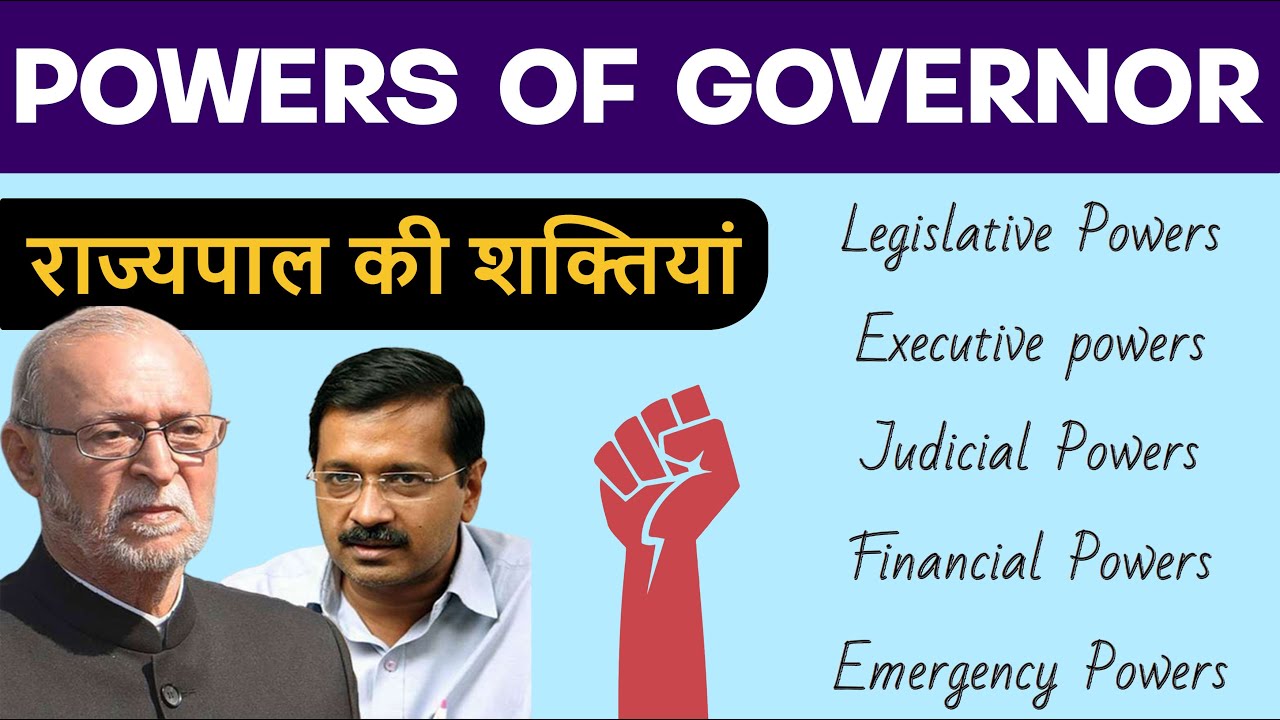
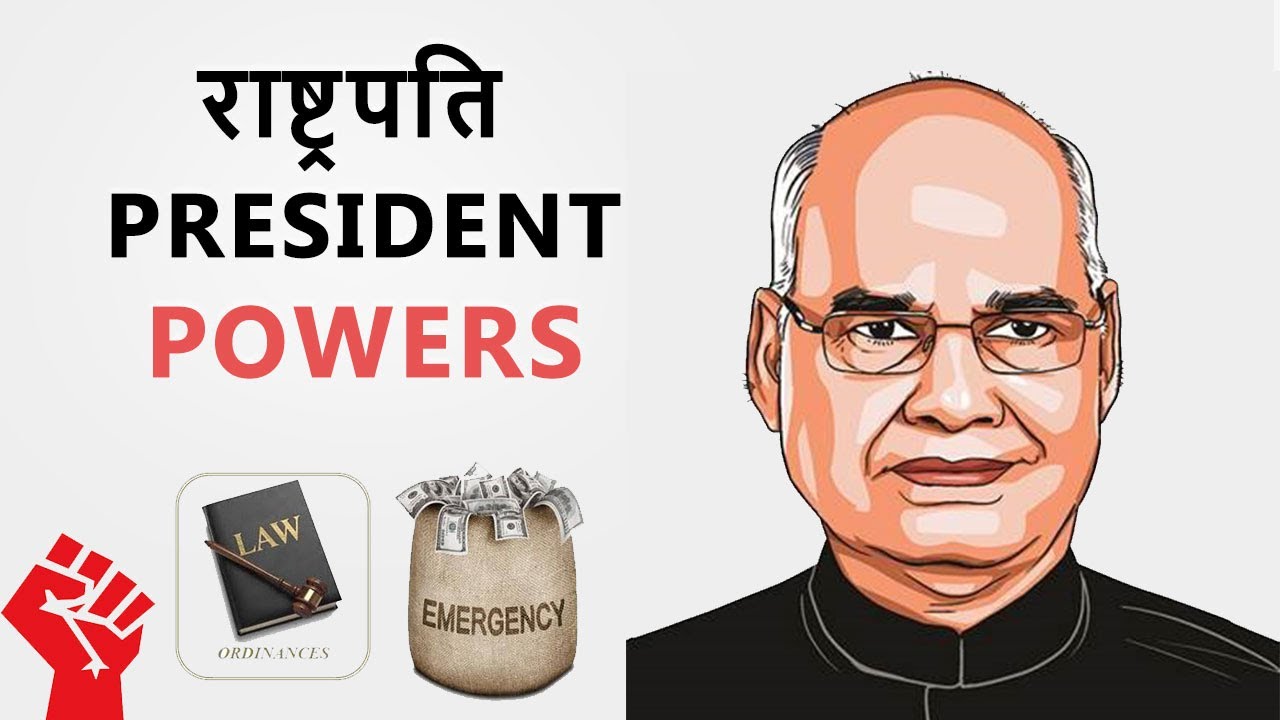
Explore a comprehensive comparison of powers between the President of India and the Governor of a State. This topic explains the constitutional balance between the Union and the States, especially in relation to executive powers, veto rights, ordinance-making authority, and pardoning powers. It is especially useful for students and competitive-exam aspirants who are learning the Constitution of India and the working of Union-State relations.
🎯 In this chapter, you will understand:
- How the President and Governor act as the constitutional heads of the Union and State executives.
- How Ordinary Bills and Money Bills receive assent from the President and Governor.
- How ordinances are issued when the legislature is not in session.
- How pardoning powers differ between the President and Governor, especially in death-sentence cases.
💡 Why this topic matters: The President and Governor may appear to have similar roles, but their powers are not exactly the same. Understanding these differences helps us see how India maintains a balance between a strong central government and the independence of state governments.
🧠 Core Idea: The Governor has several powers that resemble those of the President, such as giving assent to Bills, issuing ordinances, and granting mercy. However, the President has wider and more final authority, particularly when a state Bill is reserved for the President and in cases involving death sentences.
Comparison of Powers: President vs Governor within the Indian Constitution
The constitutional system of India creates a special division of authority between the Union government and the State governments. At the Union level, the President of India is the formal head of the executive. At the State level, the Governor performs a similar role. Both offices represent the constitutional head of their respective governments, which means they perform important formal duties connected with laws, administration, and justice.
Although their positions look alike, there are important differences in how they use their powers. The President generally works with the Union Council of Ministers headed by the Prime Minister, while the Governor works with the State Council of Ministers headed by the Chief Minister. Their powers over Bills, ordinances, and pardons also differ in scope and finality. These differences show how the Indian Constitution balances federal cooperation with central oversight.
The Governor holds several powers that mirror those of the President, including powers connected with veto, ordinance-making, and pardoning. However, the Governor’s powers are often subject to greater control by the President and the Union government.
In the story of Indian federalism, both the President and the Governor act as formal heads of their executives. Their roles may appear identical in many situations, but the differences in discretionary authority and legislative interaction make this an important area of constitutional study. The comparison below explains these powers in a simple and structured way.
- (i) Comparison of legislative assent and the working of the suspensive veto in the Union Parliament and State Legislature.
- (ii) Analysis of executive law-making through ordinances when the legislature is not in session.
- (iii) Differentiation of judicial mercy and the scope of pardoning authority in central and state jurisdictions.
Veto Powers and Legislative Assent Procedures
For a Bill to become law, it must receive the assent of the appropriate constitutional head. The President gives assent to Bills passed by Parliament, while the Governor gives assent to Bills passed by the State Legislature. This power of assent is important because it allows the executive to check legislation before it becomes an Act.
The President and Governor have different options when a Bill is placed before them. They may accept it, reject it, or, in some cases, return it for reconsideration. The Governor also has an extra option: reserving a state Bill for the President. This makes the Governor’s role especially important in maintaining coordination between the State Legislature and the Union government.
The Trajectory of Ordinary Bills
Ordinary Bills are the usual laws made by legislatures. They deal with general subjects and do not involve the special financial procedures applicable to Money Bills. Both the President and the Governor act as the final gatekeepers for such Bills, but the final result can be different in each case.
- (i) Presidential Action: Under the Constitution of India, the President may give assent to an Ordinary Bill, after which it becomes an Act. The President may also withhold assent, which ends the Bill. If the President returns the Bill for reconsideration and Parliament passes it again, the President must give assent. This is called a suspensive veto because it delays the Bill but does not permanently stop it.
- (ii) Gubernatorial Action: The Governor also has the power to give assent or withhold assent. In addition, the Governor has a unique third option: the Governor may reserve the Bill for the consideration of the President. This option gives the Union government a chance to examine certain state legislation.
- (iii) The President’s Role in State Bills: When a Bill is reserved, the Governor has no further role in the matter. The President may approve the Bill, reject it, or return it to the State Legislature for reconsideration. If the State Legislature passes the returned Bill again, the President is not bound to give assent. This makes the President’s veto stronger in the case of a reserved state Bill.
Handling Money Bills and Financial Legislation
Money Bills deal with taxation, government spending, borrowing, and other financial matters. They receive special treatment because they usually originate from the government’s financial plans. Since such Bills affect public money, the executive has a closer connection with their passage.
- (a) Presidential Protocol: The President may either give assent to a Money Bill or withhold assent. However, the President cannot return a Money Bill for reconsideration. This is because a Money Bill is normally introduced in Parliament with the prior approval of the President.
- (b) Governor’s Protocol: The Governor follows a similar process for a state Money Bill. The Governor may assent or withhold assent, and may also reserve the Bill for the President. Once the Bill is reserved, the Governor’s role ends and the President makes the final decision.
- (c) Lapse and Approval: If the President withholds assent to a reserved state Money Bill, the Bill lapses completely. This is similar to the President’s power over Union Money Bills, where withholding assent prevents the Bill from becoming law.
Ordinance-Making Powers during Legislative Recess
Sometimes a situation requires an immediate legal response, but the legislature may not be sitting at that time. To deal with such urgent situations, the Constitution allows the President and Governor to issue ordinances. An ordinance is a temporary law issued by the executive when the legislature is not in session.
An ordinance has the same force as a law made by the legislature, but it is temporary. It must be placed before the legislature when it meets again. If the legislature does not approve it, the ordinance stops operating. This system allows quick action while still keeping legislative control over law-making.
Presidential Authority in Union Matters
The President’s power to issue ordinances is an important tool for the Central Government when Parliament is not in session. It helps the government respond quickly to urgent situations without waiting for the next parliamentary session.
- (i) The President may issue an ordinance only when satisfied that circumstances require immediate action while one or both Houses of Parliament are not in session.
- (ii) The ordinance has the same force as a law made by Parliament, but it must remain within the same constitutional limits that apply to Parliament.
- (iii) This is not a personal or discretionary power of the President. The President acts on the aid and advice of the Council of Ministers headed by the Prime Minister.
- (iv) Expiry: Every ordinance must be placed before Parliament when it reassembles. It ceases to operate after Parliament reassembles, unless it is approved earlier.
Gubernatorial Authority and Presidential Oversight
The Governor can also issue ordinances, but only for subjects that fall within the authority of the State Legislature. The Governor’s ordinance power is therefore limited by the division of powers between the Union and the States. In certain situations, the Governor must first receive instructions from the President.
Cases Requiring Presidential Instructions
The Governor needs prior instructions from the President before issuing an ordinance in the following situations:
- (i) If a similar Bill would have required the President’s prior sanction for introduction in the State Legislature.
- (ii) If the Governor would have considered it necessary to reserve a similar Bill for the President’s consideration.
- (iii) If an Act of the State Legislature on the same subject would have been invalid without the President’s assent.
- (ii) Like the President, the Governor acts on the advice of the Council of Ministers headed by the Chief Minister. The ordinance expires after the State Legislature reconvenes, unless it is approved earlier.
Pardoning Powers and Judicial Mercy
Both the President and the Governor have the power to show mercy in criminal cases. This power is called the pardoning power. It allows the executive to reduce, postpone, or cancel punishment in suitable cases. However, the extent of this power is different for the President and the Governor.
The pardoning power is an important constitutional check on the judicial process. It does not mean that the executive can interfere with every court decision. Instead, it allows the executive to correct exceptional cases where mercy, compassion, or a fresh consideration of punishment is required.
Defining the Scope of Pardoning
Both the President and the Governor can pardon, reprieve, or remit sentences. The main difference is based on the law that was violated and the type of punishment involved.
- (i) Presidential Supremacy: The President deals with punishments under Central laws. The President also has exclusive authority in cases of death sentences and cases arising from a Court-Martial.
- (ii) Governor’s Jurisdiction: The Governor exercises mercy powers for violations of State laws. This means the Governor’s authority is generally limited to offences connected with matters under the executive power of the State.
- (iii) The Death Sentence Exception: The Governor cannot pardon a death sentence. However, the Governor may suspend, remit, or commute it. The complete power to pardon a death sentence rests only with the President.
Constitutional Significance of Executive Power Comparison
Understanding the comparison between the President and the Governor is important for students of political science, law, and competitive examinations. Although the Governor performs many functions similar to those of the President, the differences in veto rights, ordinance powers, and pardoning authority show the special structure of Indian federalism.
The Governor’s power to reserve Bills for the President, the requirement of presidential instructions in certain ordinance cases, and the President’s exclusive power to pardon death sentences all show that the Union has an important supervisory role in India’s federal system. At the same time, the Governor remains an essential constitutional link between the State government and the Union government.
⚡ Quick Revision Capsule: President vs Governor
The table below gives a quick comparison of the major powers of the President and Governor. It is useful for last-minute revision before examinations.
| Area of Power | President of India | Governor of a State |
|---|---|---|
| Ordinary Bill | May assent, withhold assent, or return the Bill once; must assent if Parliament passes it again. | May assent, withhold assent, or reserve the Bill for the President’s consideration. |
| Money Bill | May assent or withhold assent, but cannot return it for reconsideration. | May assent, withhold assent, or reserve it for the President; the President then decides finally. |
| Reserved State Bill | May assent, withhold assent, or return a non-Money Bill to the State Legislature; final decision rests with the President. | Has no further role after reserving the Bill for the President. |
| Ordinance | May issue an ordinance when Parliament is not in session and immediate action is needed. | May issue an ordinance for State subjects, but may need prior instructions from the President in certain cases. |
| Pardoning Power | Can pardon offences under Central laws, including death sentences and Court-Martial cases. | Can grant mercy for State-law offences but cannot pardon a death sentence; may suspend, remit, or commute it. |
📝 Summary
The President and Governor are both constitutional heads of the executive, but their powers are not identical. The President works at the Union level with the Prime Minister and the Union Council of Ministers, while the Governor works at the State level with the Chief Minister and the State Council of Ministers. Their roles in giving assent to Bills, issuing ordinances, and granting mercy show both similarity and difference in India’s federal structure.
🚀 Quick Revision Points
Essential facts to review before examinations:
- (i) The President’s veto over an Ordinary Bill is a suspensive veto, because the President must assent if Parliament passes the Bill again.
- (ii) The Governor can reserve a state Bill for the President; after reservation, the Governor has no further role.
- (iii) A Money Bill cannot be returned by the President for reconsideration because it is introduced with prior presidential approval.
- (iv) Under Article 161 of the Constitution of India, the Governor has pardoning powers for State-law offences but cannot pardon a death sentence.
- 💡 Exam Tip: Remember the key difference: the President has the final authority over a reserved state Bill and is the only authority who can pardon a death sentence. The Governor can suspend, remit, or commute a death sentence, but cannot pardon it.
❓ Frequently Asked Questions (FAQ)
Q1: What is a suspensive veto?
A1: A suspensive veto is the power of the President to return an Ordinary Bill to Parliament for reconsideration. If Parliament passes the Bill again, the President must give assent.Q2: Can the Governor pardon a death sentence?
A2: No. The Governor cannot pardon a death sentence. However, the Governor can suspend, remit, or commute it under the pardoning power.Q3: What happens when the Governor reserves a Bill for the President?
A3: Under Article 201 of the Constitution of India, the President may assent to the Bill, withhold assent, or, in the case of a non-Money Bill, return it to the State Legislature for reconsideration. The Governor has no further role after reserving the Bill.