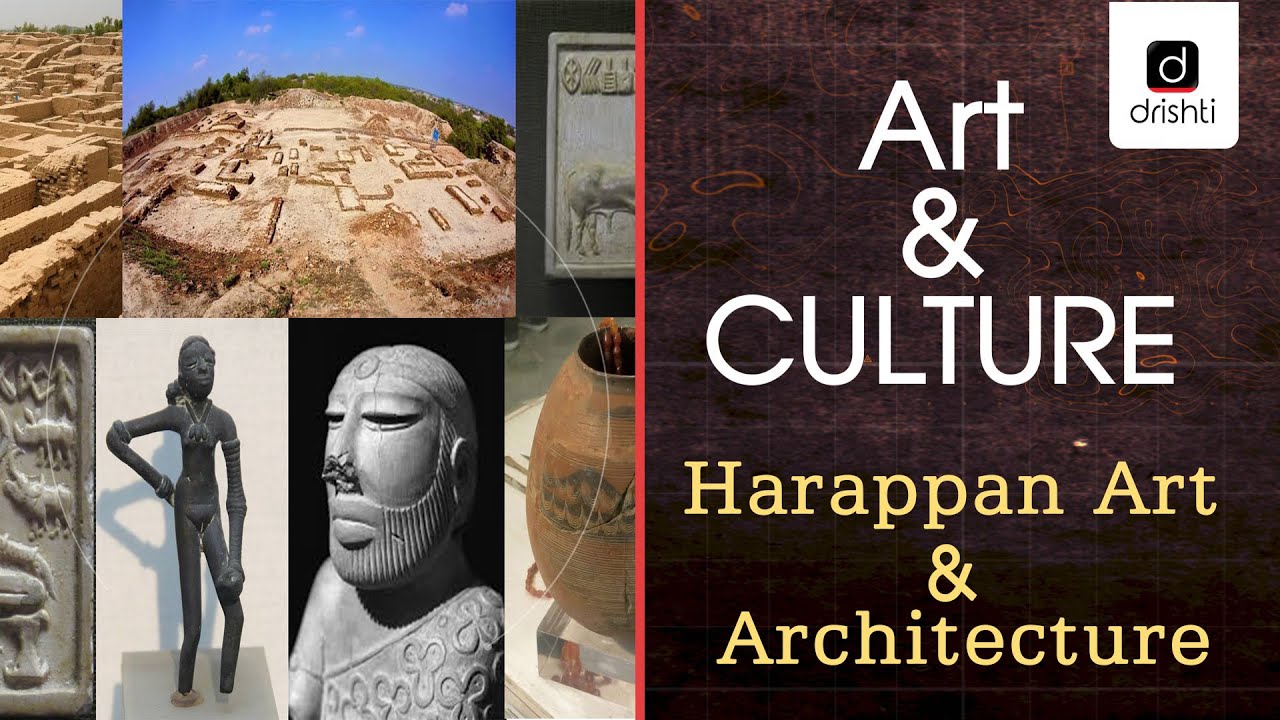
The Indus Valley Civilisation (IVC), flourishing around , stands as a monumental chapter in early global history, primarily recognized for its unparalleled advanced urban planning and sophisticated civic engineering. This detailed exploration of the IVC’s city layouts, including the famous Harappa and Mohenjodaro, along with a survey of prominent excavated sites like Lothal and Dholavira, is indispensable for students preparing for history and archaeology examinations, offering core insights into the life and technology of this ancient society.
🎯 In this chapter, you will understand:
- The grid-like urban layout and architectural standardization of Harappan cities.
- The engineering marvel of covered drainage systems and civic sanitation.
- Key excavated sites across present-day Pakistan (Harappa, Mohenjodaro) and India (Lothal, Dholavira, Kalibangan, Rakhigarhi).
- The economic, agricultural, and technological achievements of the Indus society.
💡 Why this topic matters: It forms the cornerstone of ancient South Asian history and highlights some of the world's earliest organized civic management systems.
🧠 Core Idea: The Indus Valley Civilisation prioritized utility, public sanitation, and standardized construction over grand personal monuments.
Indus Valley Civilisation: Advanced Civic Planning, Urban Achievements, and Geographical Span (c. 2500–1750 BCE)
-
The Indus Valley Civilisation is universally celebrated for its meticulously executed advanced urban planning, a characteristic that set cities like Harappa and Mohenjodaro apart from contemporary global settlements.
This remarkable precision suggests a robust centralized administrative structure capable of enforcing standardized planning across vast geographical areas, indicating a highly organized state apparatus from the very beginning of its development.
- The planning demonstrates an unprecedented commitment to public welfare and efficiency, prioritizing communal structures and infrastructural achievements over monumental personal displays.
- The foundational elements of their city construction, including the use of standardized burnt bricks (with a common ratio), further underscore their exceptional level of precision and quality control in massive civic projects.

Indus Urbanism: City Layout, Infrastructure, and Sophisticated Drainage Systems
The Harappan urban framework was built upon a meticulously executed plan, a remarkable feat of engineering expertise that fundamentally enhanced public health and civic efficiency through structured settlement design.
The Precision of the Grid-like City Layout and Comprehensive Infrastructure
The defining feature of Harappan settlements was the grid-like pattern, where major streets and smaller lanes were laid out straight and systematically, intersecting almost perfectly at right angles. This methodical approach provided easy navigation and standardized plot division, reflecting a highly rational and planned approach to urban living.
- Standardized Residential Areas: Cities were divided into distinct functional blocks, featuring standardized residential houses, generally built around a central courtyard and offering remarkable uniformity.
- Functional Segregation: There was clear evidence of areas designated for organized market activities, large storage facilities, such as the massive Granaries (critical for managing agricultural surplus), and essential administrative functions.
- The Great Bath: Prominent public structures included the Great Bath at Mohenjodaro, believed to be used for religious or communal ritual purification, highlighting the society's focus on public gathering spaces.
Harappan's Commitment to Public Hygiene: The Highly Developed Drainage System
Perhaps the most compelling evidence of Harappan engineering genius and their commitment to public health was their highly sophisticated, integrated drainage system. This network was unparalleled in the ancient world, showcasing extraordinary hydraulic management capabilities.
- Covered Drain Network: A complex web of covered drains ran beneath the main streets, carefully constructed with stone slabs or bricks, ensuring the effective removal of waste and preventing the spread of disease.
- House-to-Street Connections: Every individual house was connected to the main street drain via smaller channels, indicating that sanitation was not just a public concern but a mandatory standard for every resident.
- Manholes for Maintenance: The presence of inspection traps or manholes at regular intervals along the main drainage lines proves the Harappans had a structured system for periodic cleaning and maintenance, demonstrating a far-sighted approach to urban upkeep.
Prominent Excavated Sites of the Indus Valley Civilisation: Mapping the Civilisation’s Geographical Span
The extensive geographical reach of the Indus Civilisation is revealed through the numerous major sites, strategically located across present-day Pakistan and India, collectively narrating the vast cultural and commercial network of the period.
Pioneering Urban Centres in Pakistan: Harappa and Mohenjodaro
These two massive urban centers were the first to be discovered and excavated, providing the essential model and blueprint for understanding the uniform planning principles and massive scale of the Harappan urban model.
- Harappa: Situated in the north, along a former channel of the Ravi River, this site was so significant that the entire civilisation is often interchangeably called the Harappan Civilisation.
- Mohenjodaro (The "Mound of the Dead"): Located in the southern Sindh province, this site showcased iconic public works like the Great Bath and the Citadel, confirming the shared civic planning principles and architectural sophistication with Harappa.
Significant Indian Sites: Hubs of Trade, Water Management, and Early Agriculture
Excavations across India have unearthed highly specialized settlements that illuminate the Harappans' versatility in crucial areas like maritime trade, sophisticated water conservation, and early agricultural innovation.
Architectural remains at prominent Indian Harappan sites like Lothal and Dholavira. - Lothal: Located strategically in Gujarat, this port city is famously associated with the discovery of a massive rectangular basin, widely interpreted as a tidal dockyard, cementing its crucial function as a hub for maritime trade with Mesopotamia and other regions.
- Dholavira: Also situated in Gujarat, this site is distinguished by its unique tripartite division (compared to the typical Harappan bipartite division), its magnificent stone architecture, and its advanced network of large water reservoirs and check dams for rainwater harvesting, showcasing masterly water management systems.
- Rakhigarhi: Located in Haryana, this has emerged in modern research as one of the largest and most extensively studied Harappan sites in the Indian subcontinent, providing significant insights into the eastern spread of the culture.
- Ropar (Rupnagar): Found in Punjab, this site is important for demonstrating a continuous sequence of habitation from the Harappan phase through to later historical periods and specialized burial structures.
- Kalibangan: Situated in Rajasthan, this site is distinctively known for providing early evidence of both fire altars (suggesting ritualistic practices) and the remains of some of the earliest discovered ploughed fields, showcasing their agricultural technology.
⚡ Quick Revision Capsule: Indus Valley Civilisation
A quick-reference guide summarizing key excavated sites, their geographical locations, and key archaeological features:
| Site Name | Geographical Location | Key Archaeological Highlights |
|---|---|---|
| Harappa | Punjab, Pakistan (Ravi River) | First excavated site, massive granaries, standardized housing blocks. |
| Mohenjodaro | Sindh, Pakistan (Indus River) | Great Bath, Citadel, highly organized underground drainage system. |
| Lothal | Gujarat, India | Tidal dockyard, major hub for overseas maritime trade. |
| Dholavira | Gujarat, India (Rann of Kutch) | Tripartite city structure, stone architecture, advanced water reservoirs. |
| Kalibangan | Rajasthan, India (Ghaggar River) | Earliest evidence of ploughed fields and ritual fire altars. |
📝 Summary
The Indus Valley Civilisation remains a pivotal case study in urban and civic development, celebrated for its standardized materials, the rational grid plan, and an extraordinary commitment to sanitation through its highly developed drainage system during . The discovered sites, from the scale of Mohenjodaro to the maritime specialty of Lothal and the water management of Dholavira, highlight a society marked by order, foresight, and engineering prowess. Understanding the planning principles and geographical spread of this ancient culture is absolutely essential for students aiming to master the foundation of South Asian history and its contributions to global urbanization concepts.
🚀 Quick Revision Points
Essential facts to review before examinations:
- (i) Cities were laid out on a systematic grid system with streets cutting at right angles.
- (ii) Standardized burnt bricks were used uniformly across various settlements.
- (iii) Every house connected directly to a covered municipal drainage network with inspection traps.
- (iv) Major trade and water management centers included Lothal (dockyard) and Dholavira (reservoirs).
- 💡 Exam Tip: Pay close attention to matching sites with their key features in multiple-choice questions—such as Lothal for dockyard, Dholavira for water management, and Kalibangan for ploughed fields.
❓ Frequently Asked Questions (FAQ)
Q1: What is the defining feature of Indus Valley urban planning?
A1: The defining features were the strict grid-like street network intersecting at right angles and an advanced, covered municipal drainage system.Q2: Which Harappan site contains the famous Great Bath?
A2: The Great Bath was excavated at Mohenjodaro in present-day Pakistan.Q3: What makes Lothal and Dholavira unique among Indian Harappan sites?
A3: Lothal is famous for its ancient tidal dockyard for sea trade, while Dholavira is renowned for its tripartite layout and masterly water harvesting reservoirs.