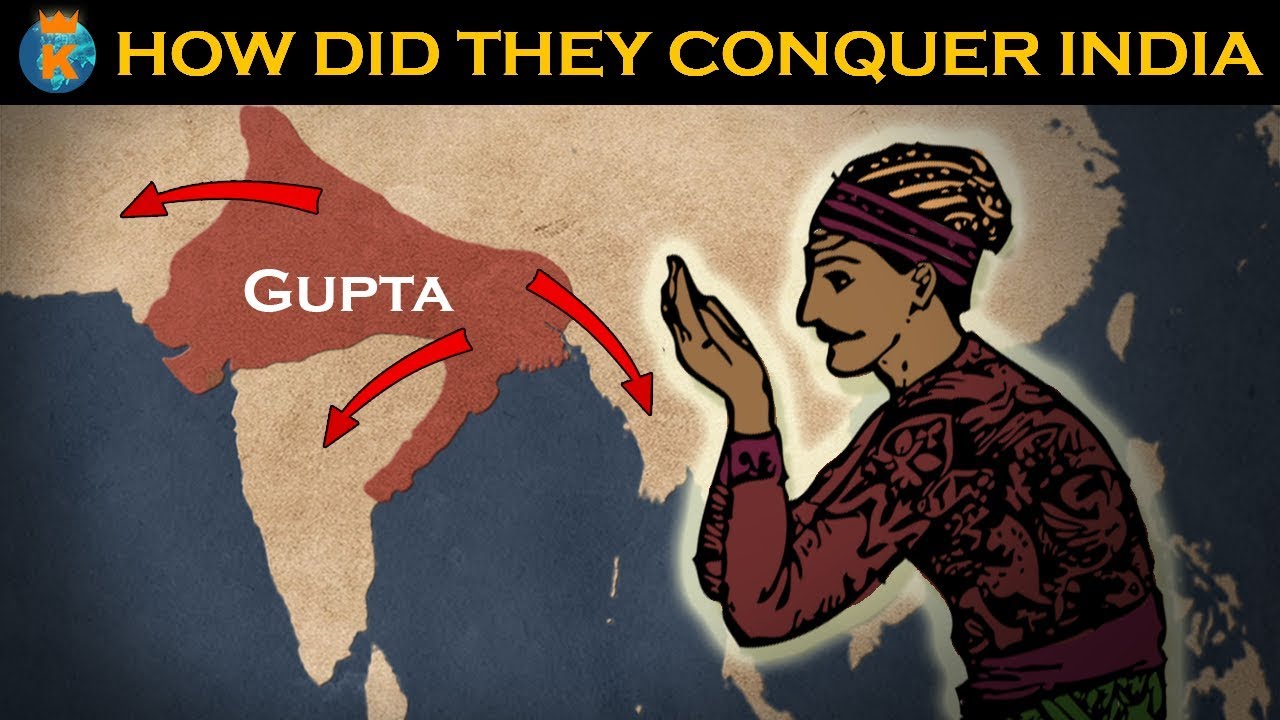
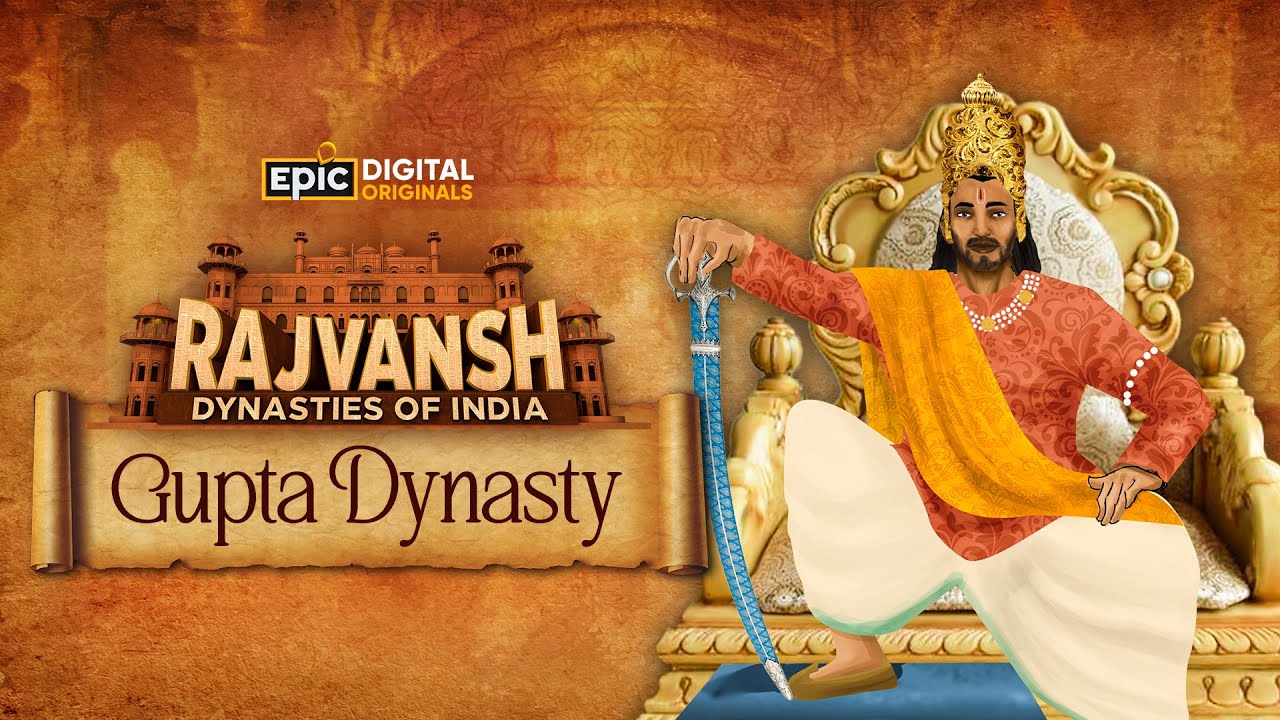
The political history of Ancient India witnessed a profound transformation with the rise of the Bharasivas and the Vakatakas, heralding the revival of Hindu traditions and laying the foundation for All-India Imperialism. This period, roughly commencing around 250 AD, is crucial for students preparing for history exams as it spotlights the Social and Cultural Renaissance that paved the way for the renowned Gupta Empire.
In this chapter, you will understand:
- The political significance of the Bharasiva and Vakataka dynasties in North India.
- How the liberation of the Gangetic Valley altered regional political structures.
- The historical accounts of Chinese traveler Itsing regarding Sri Gupta.
- The traditional Puranic geographical bases of the early Gupta rulers.
Why this topic matters: This formative era acts as a vital transition point in Indian history, marking the shift away from foreign influence back toward indigenous sovereign systems and classical cultural traditions.
Core Idea: Starting from approximately 250 AD, regional powers built an ideological framework centered around traditional orthodox systems and the Sanskrit language. This background directly set the stage for the imperial consolidation seen during the classic Gupta era.
The Resurgence and Revival of Ancient Hindu Traditions: Role of Bharasivas, Vakatakas, and Early Gupta Origins (c. 250 AD - Early 4th Century)
The rise of the Bharasivas and Vakatakas marked a strategic shift in North Indian politics, championing a return to powerful imperial ideals and traditional Hindu culture. Their ascendancy became a defining moment in the post-Kushan era, not merely through territorial expansion but by actively promoting a cultural and ideological resurgence.
The Bharasivas: Liberators of the Gangetic Valley (c. 250 AD)
By approximately 250 AD, the Bharasivas achieved a critical political milestone by successfully freeing the heartland of North India—the Gangetic Valley—from foreign or fragmented rule and initiating a reorganization of the political structure.
- (i) The most significant ideal they championed was the concept of All-India Imperialism, a vision of a unified subcontinent under a singular, powerful authority, echoing earlier imperial traditions.
- (ii) This era saw a deliberate and active Revival of Sanskrit, establishing it once again as the language of state, court, and high culture, deeply influencing literature and administration.
- (iii) Collectively, their efforts led to a substantial Social and Cultural Renaissance, breathing new life into orthodox Hindu practices and societal structures.
Political Reorganization and the Rise of Orthodox Kshatriya Rule in Magadha
The Bharasivas’ success initiated a significant phase of political consolidation, which notably included bringing the historically important region of Magadha under the control of an orthodox Kshatriya family, signifying a return to traditional, indigenous rule.
- Establishing political stability in a region crucial for future imperial endeavors, paving the way for successor states.
- Installing a traditionally recognized ruling family in Magadha as a symbolic act, reinforcing the legitimacy of subsequent revivalist movements.
Tracing the Early Guptas: The Account of Sri Gupta and Chinese Travelers
Historical evidence for the earliest ancestors of the Gupta dynasty is fragmented, relying partly on the accounts of travelers, notably the famous Chinese pilgrim Itsing, who provided an intriguing chronological anchor.

- Historical texts require close cross-referencing with external travelogues to pinpoint specific regional timelines.
Itsing's Testimony and the Chronology of Sri Gupta
The account of Itsing, who traveled across India between 670 and 700 AD, provides a crucial, albeit indirect, reference to an early Gupta ruler, which aids historians in estimating the dynasty's very beginning.
- (a) Itsing specifically recorded that a great king named Sri Gupta had constructed a temple, known as the 'Temple of China,' near Mrigasikhavana (likely in Bengal or Bihar) for the benefit of Chinese pilgrims.
- (b) Crucially, the traveler estimated this event to have occurred approximately 500 years earlier than his visit.
- (c) This calculation places the reign of Sri Gupta, the earliest known ruler of the Gupta line, around the period of 175-200 AD, long before the dynasty's imperial flowering.
Puranic Traditions and the Geographical Base of the Early Guptas
While epigraphical sources are scarce for this nascent phase, traditional Puranic texts offer supplementary details regarding the likely initial area of operation and influence for the nascent Gupta family.
- Geographical strongholds often dictated how successfully a local power could expand into a larger empire.
Geographical Bases and Source Constraints
Historical analysis indicates that specific river valleys served as prime locations for structural growth and defense.
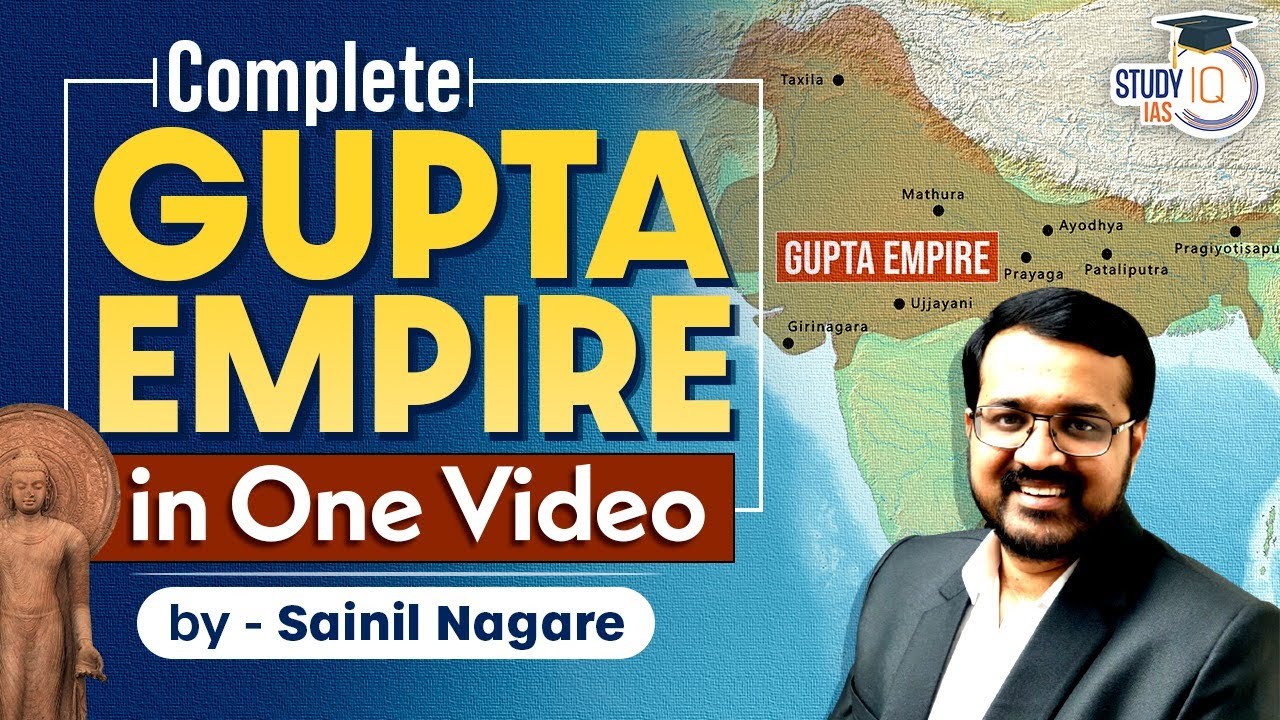
The strategic river basins that sustained early regional powers - (i) Based on these traditions, historians generally concur that by the early 4th century AD, the early Gupta rulers were closely associated with the strategic banks of the Ganges river.
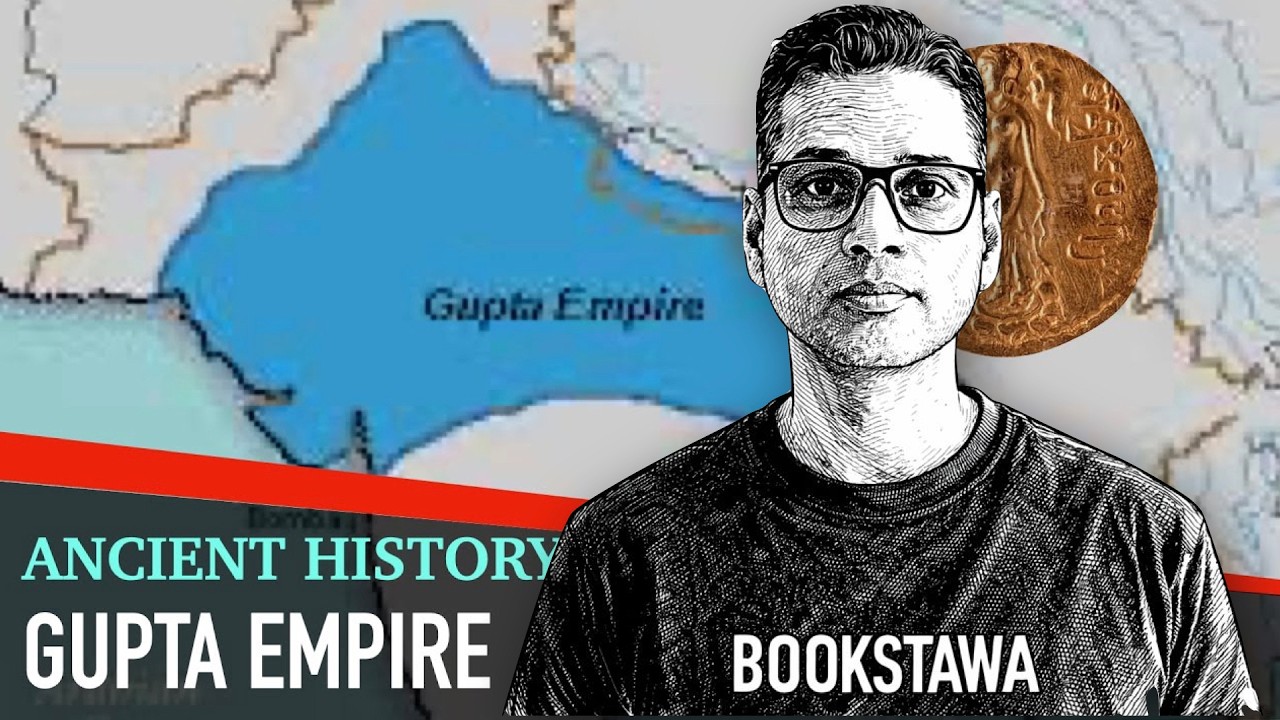
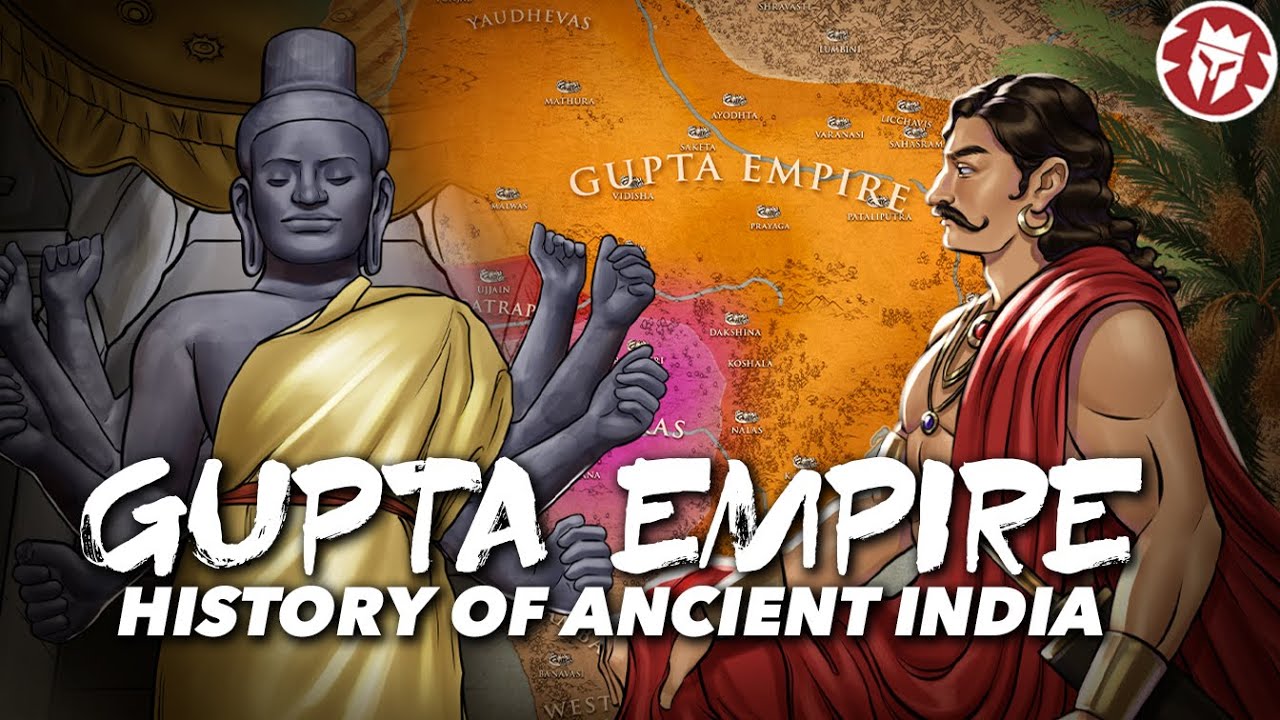
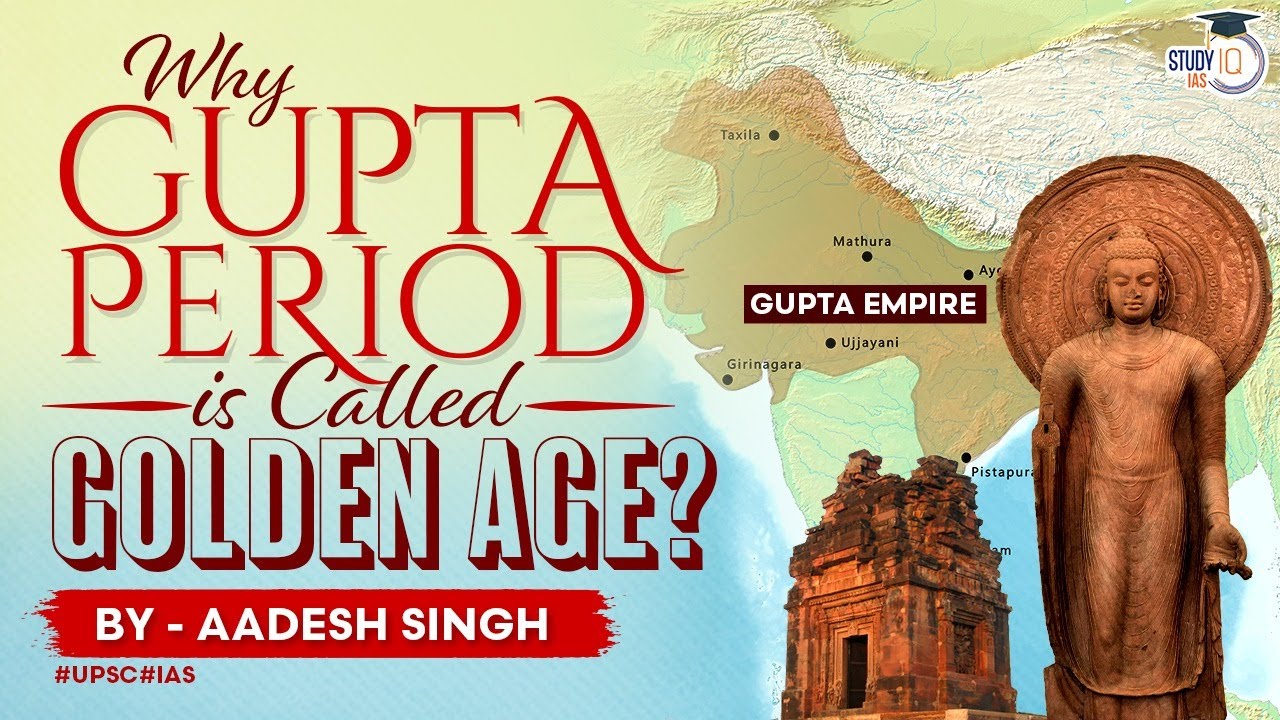
- (ii) Their foundational geographical base is believed to have centered around the crucial northern Indian regions of Prayaga (modern Allahabad) and Saketa (Ayodhya), suggesting they were regional powers before their imperial expansion.
- (iii) The definitive transition to full Gupta rule in Magadha, the ancient imperial capital, remains obscured by the lack of contemporary epigraphical sources, making a complete reconstruction of the initial establishment highly challenging for researchers and students.
Quick Revision Capsule
A concise overview of the core historical parameters, key regions, and dynastic timelines discussed in this chapter:
| Dynasty / Figure | Key Era & Timeline | Primary Regional Center & Objective |
|---|---|---|
| Bharasivas | c. 250 AD | Liberation of the Gangetic Valley and resurgence of orthodox rule. |
| Vakatakas | Post-Kushan Era | Promoting All-India Imperialism and traditional socio-cultural ideals. |
| Sri Gupta | c. 175-200 AD | Earliest ancestor; built the 'Temple of China' near Mrigasikhavana. |
| Early Guptas | Early 4th Century AD | Consolidation near the Ganges, Prayaga, and Saketa. |
| Sanskrit Language | Revival Period | Re-established as the primary tongue of state, court, and high administration. |
Summary
This formative era, defined by the efforts of the Bharasivas and Vakatakas, represents a fundamental pivot in Indian history—a determined step back towards indigenous imperial authority and the revival of Hindu traditions. The re-establishment of political order, the Revival of Sanskrit, and the Social and Cultural Renaissance effectively created the ideological and political framework essential for the subsequent emergence of the Golden Age under the imperial Guptas. Understanding the timeline and context of figures like Sri Gupta (c. 175-200 AD) and the geographical bases near the Ganges, Prayaga, and Saketa is of paramount importance for students seeking a comprehensive grasp of Ancient Indian history and its crucial examination topics.
Quick Revision Points
Keep these essential factual milestones clear for your assessments:
- (i) The Bharasivas cleared foreign elements from the Gangetic Valley around 250 AD.
- (ii) The concept of All-India Imperialism aimed at unifying the subcontinent under local rulers.
- (iii) Itsing's records date the early temple builder Sri Gupta to roughly 175-200 AD.
- (iv) Prayaga and Saketa formed the initial operational base for the Guptas prior to major expansion.
- Exam Tip: Pay close attention to the chronological link provided by the Chinese pilgrim Itsing. Questions on early Gupta lineage frequently test how historians extrapolate the date of Sri Gupta from 7th-century travelogues.
Frequently Asked Questions (FAQ)
Q1: Who were the main dynasties responsible for the revival of Hindu traditions before the Guptas?
A1: The Bharasivas and the Vakatakas played the primary roles by championing All-India Imperialism, reviving Sanskrit, and encouraging a socio-cultural renaissance around 250 AD.Q2: How do historians calculate the timeline of Sri Gupta?
A2: Historians rely on the testimony of the Chinese traveler Itsing (who visited during 670-700 AD). He noted that Sri Gupta built a temple 500 years prior to his time, placing his reign around 175-200 AD.Q3: What geographic territories did the early Guptas occupy before expanding into an empire?
A3: Traditional Puranic accounts specify that their early operational footprint was concentrated along the banks of the Ganges, specifically around the key regions of Prayaga and Saketa.