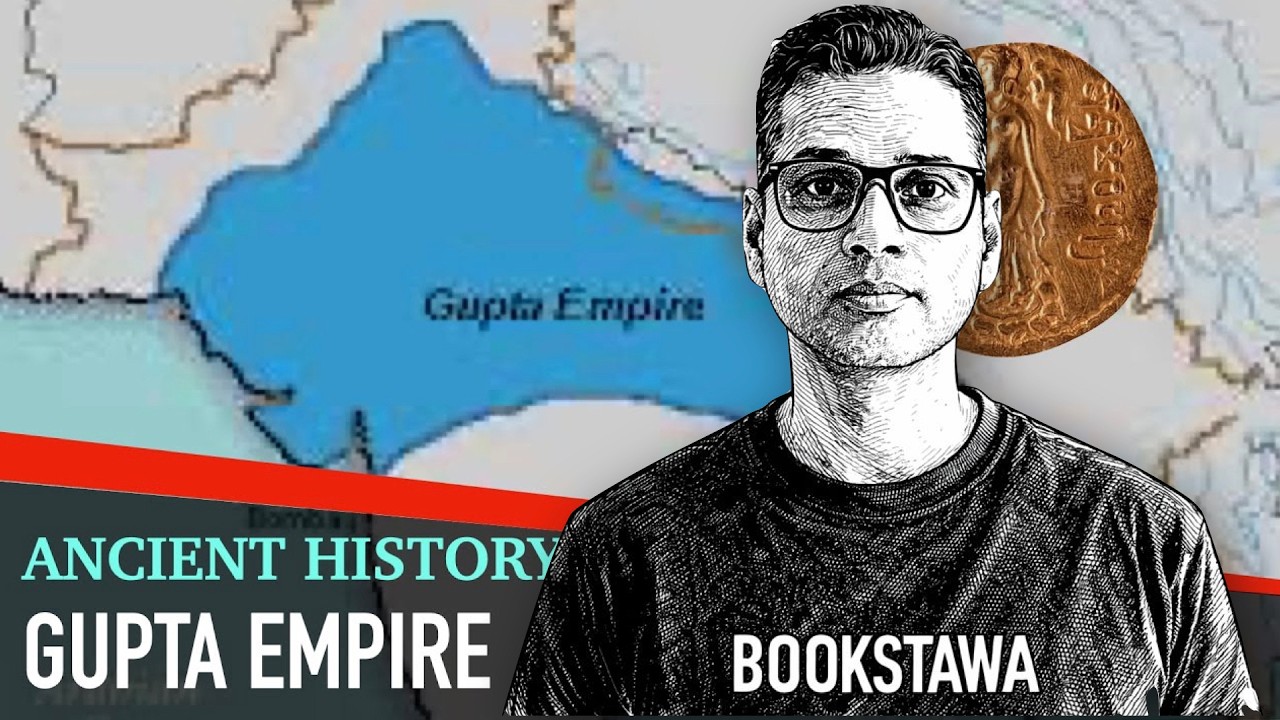
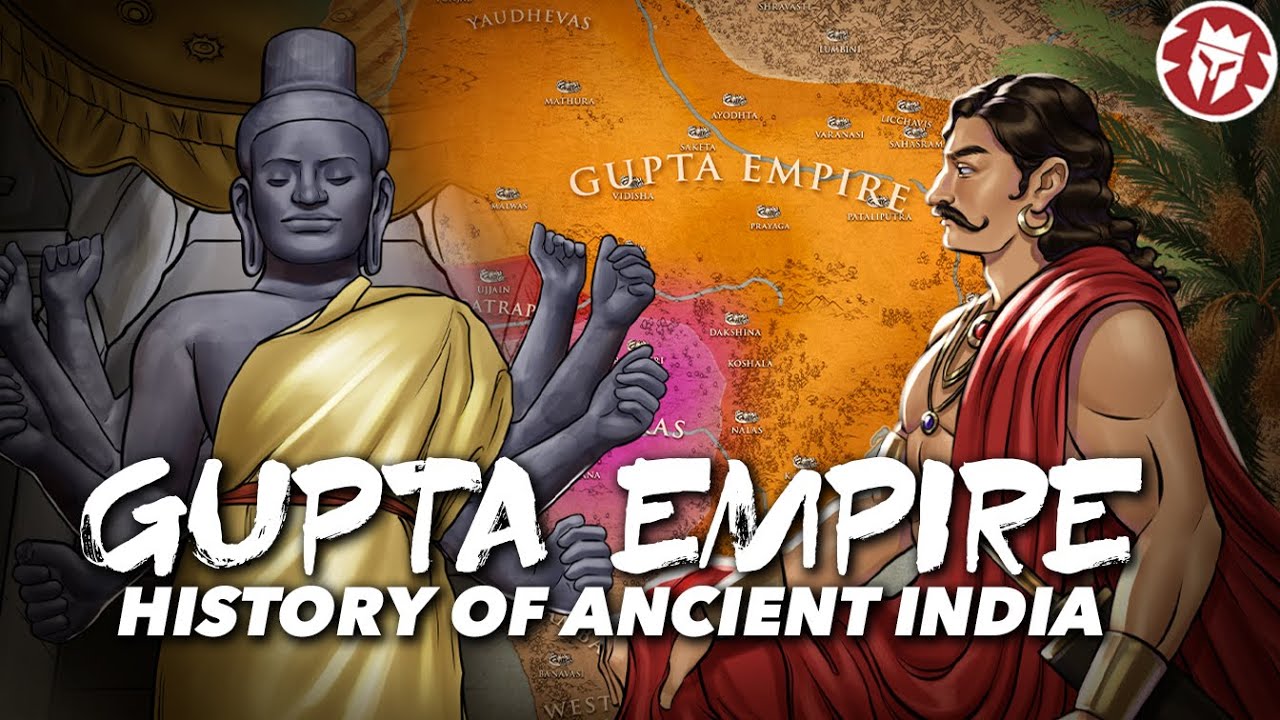
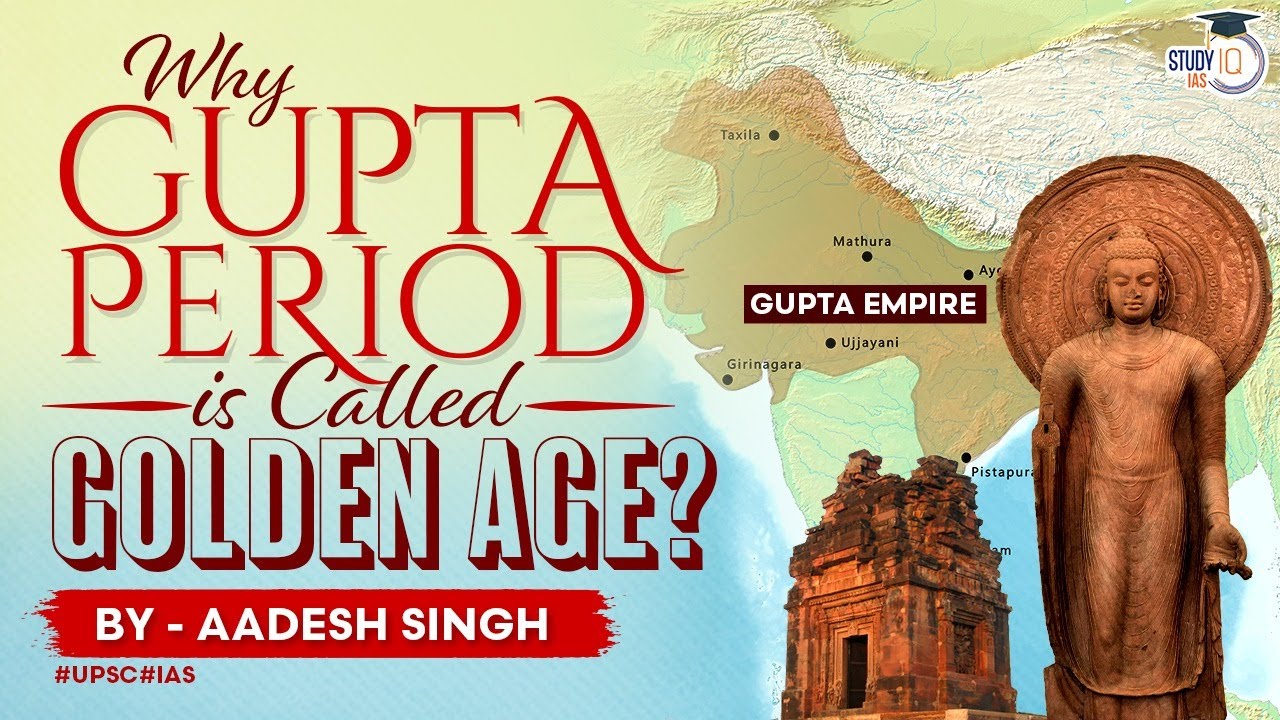
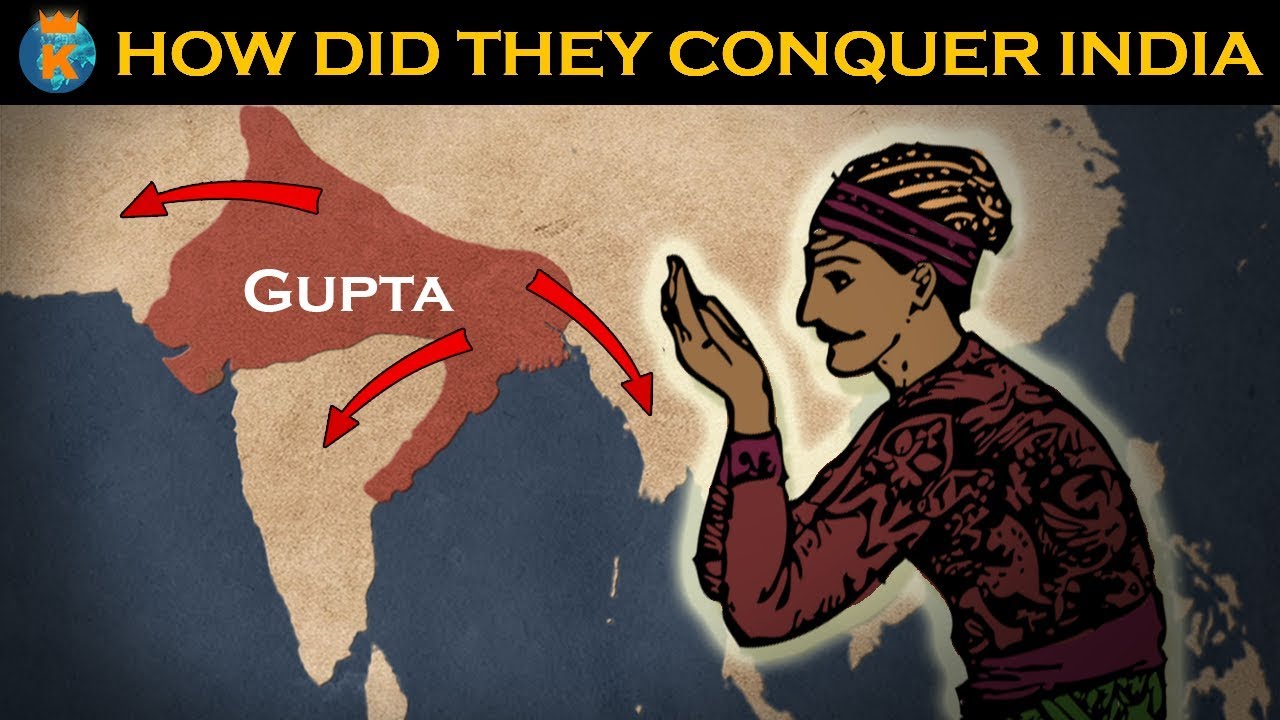
The historical rule of Chandragupta II, who is often revered in historic traditions as Chandragupta Vikramaditya, represents the absolute zenith, crown achievement, and golden age of the Gupta Empire. Spanning across a crucial timeline from AD 375 to 414, his administrative rule is highly significant for modern students of ancient Indian history. By masterfully blending forceful military campaigns with vital, peaceful matrimonial alliances, he consolidated an extensive inherited dominion and expanded the realm to its most glorious territorial boundaries. This period secured critical trade routes along the wealthy western seaboard, generating immense economic prosperity that transformed major provincial cities like Ujjain into bustling hubs of cross-continental commerce, structural architecture, and enduring intellectual growth.
In this chapter, you will understand:
- The profound cultural and intellectual contributions of the legendary Nine Gems (Navaratnas) in the royal court.
- How strategic royal marriages secured the western flank and expanded political influence across the Deccan.
- The military victories over the Shaka kings that yielded direct control over lucrative maritime trade pathways.
- The long-term governance legacy, metallurgical excellence, and structural decline under subsequent rulers.
Why this topic matters: A deep understanding of Chandra Gupta II's advanced governance model, sophisticated international diplomatic interactions, and extensive institutional support for academic learning is critical for mastering the structural foundations of Ancient Indian history. This subject forms a core, highly relevant pillar for answering questions across all major competitive examinations.
Core Idea: The transition of power to Chandragupta II ushered in an era of unprecedented wealth and cultural florescence. Through brilliant statesmanship, the ruler combined domestic economic control with structural buffer states, such as the Vakataka kingdom, to isolate and crush rivals. This state security nurtured a vibrant intellectual ecosystem illuminated by timeless scholars like Kalidasa, whose historic outputs forever enriched the subcontinent's heritage.
The Navaratnas (Nine Gems) of Vikramaditya’s Court: Intellectual Contribution
As the ultimate patron of art and learning, Chandra Gupta II’s court became the intellectual magnet of Ancient India. It successfully attracted a legendary collection of Nine Gems (Navaratnas) whose individual academic outputs spanned across fields like literature, traditional science, medicine, and complex mathematics.
Key Figures and Contributions of the Navaratnas
These nine brilliant scholars, artists, and analytical thinkers contributed significantly to the widespread Gupta cultural renaissance, providing deep original insights.
- (i) Dhanvantari: He stood out as a celebrated early medical practitioner and is traditionally revered as the authentic founder of Ayurveda, systematically organizing ancient health and medical knowledge.
- (ii) Kshapanaka: Historically thought by scholars to possibly be the prominent Jain monk named Siddhasena, he performed duties as an expert astrologer within the palace walls.
- (iii) Amarasimha: A highly distinguished Sanskrit grammarian and poet, he is immortalized by his brilliant reference volume Amarakosha, which remains the definitive, foundational Sanskrit thesaurus.
- (iv) Shanku: Documented explicitly as an expert in geography, his royal presence highlights the extreme imperial weight given to understanding and mapping natural territories.
- (v) Vetalabhatta: Recorded as a specialized Maga Brahmin, he authored the instructional manual Niti-pradeepa (The Lamp of Conduct) and held wide renown for his deep expertise in tantric sciences.
- (vi) Ghatakarpara: An important figure in the domain of constructive arts, he operated as a skilled sculptor and architect, while also maintaining recognition as a distinguished lyrical poet.
- (vii) Kalidasa: Undoubtedly remembered as the greatest Sanskrit poet and dramatist of India, his timeless written creations remain central to the study of Indian literature:
- (a) Plays: His three historic masterworks include Malavikagnimitram, the universally acclaimed drama Abhijnanashakuntalam, and Vikramorvasiyam.
- (b) Epic Poems: He penned the grand, sweeping epics Raghuvamsa and Kumarasambhava, which masterfully narrate tales of dynastic heroes and traditional deities.
- (c) Lyrical Poems: His immense lyrical genius is perfectly captured in Meghaduta (The Cloud Messenger) and Rtusamhara (A Gathering of Seasons).
- (viii) Varahamihira: He lived as a preeminent, great astronomer and mathematician of the age, famous for compiling the structural Pancha Siddhantika and authoring the massive encyclopedic collection titled Brihat-Samhita.
- (ix) Vararuchi: Recognized broadly as both a poet and grammarian, he is historically regarded by specific traditions as the actual founder of the Vikrama Era (57 B.C.), linking the memory of the king to a pivotal anchor point in the standard Indian calendar.
Chandragupta II Vikramaditya: Reaching the Peak of the Gupta Empire's Golden Age (AD 375–414)
The sovereign transition of administrative power to the crown prince consolidated the realm to its absolute greatest territorial and economic footprint.

- The sovereign leader consolidated inherited authority, ensuring total administrative stability across provinces.
His operational strategy relied heavily on protecting domestic continuity while simultaneously building powerful external defenses:
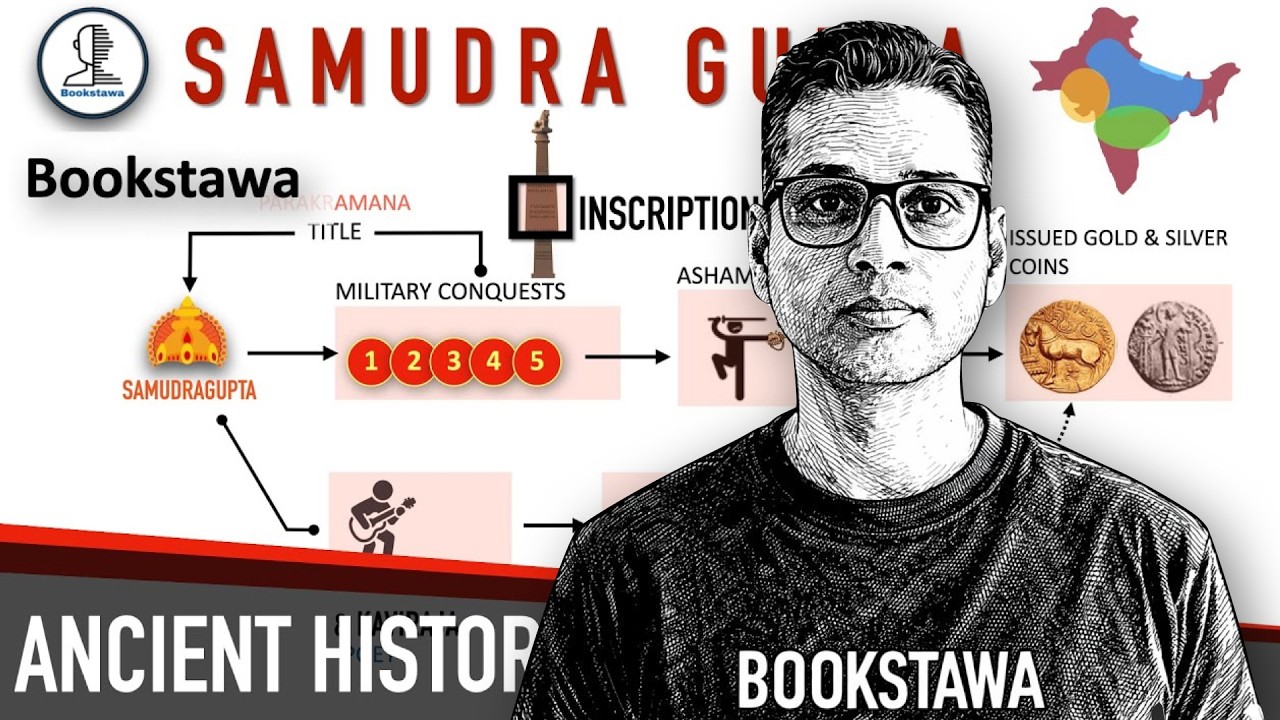
- (i) He meticulously built upon his father Samudragupta's far-reaching regional conquests, setting up highly disciplined administrative systems.
- (ii) His long-term governance vision looked far beyond active military campaigns, utilizing peaceful elite marriages to balance external border states.
- (iii) The massive influx of state treasury wealth generated by dominating regional trade routes gave rise to widespread public works and golden currency issuance.
Strategic Matrimonial Alliances: Securing the Western Flank and Deccan Influence
One of Chandragupta II's most astute diplomatic moves involved leveraging royal marriages to create powerful buffer states and secure strategic advantages against major rivals like the Shakas.
Alliance with the Naga Dynasty and the Role of Princess Prabhavati
The foundation of this intricate web of alliances was laid through his marriage to Kuvernaga, a princess belonging to the powerful Naga dynasty. This union secured a strong ally against potential northern threats.
- (i) From this marriage, their daughter, Prabhavati, became a pivotal piece in the Gupta strategy of peaceful expansion and control over central India.
- (ii) Prabhavati was strategically married into the powerful Vakataka dynasty in the Deccan, wedding its ruler, Rudrasena II, thus extending Gupta influence deep into the central Indian plateau.
- (iii) Following Rudrasena II's untimely death, Prabhavati ruled as the effective regent for her minor sons, doing so under the direct guidance and support of her father, Chandragupta II, thereby granting him indirect control over the crucial Vakataka territory.
The Great Military Triumph: Defeating the Shaka Kings and Assuming the Title of Vikramaditya
This Vakataka alliance provided Chandragupta II with a strategic position to launch his most significant military campaign: the final destruction of the Shaka kings who had held sway over western India for nearly 300 years.
- (a) The crushing defeat of the Shaka kings was Chandragupta II's supreme military achievement, which subsequently opened up the rich ports and trade wealth of the western coast to the Gupta treasury.
- (b) To commemorate this monumental victory, he adopted the celebrated royal title of Vikramaditya, a Sanskrit title signifying “the one as powerful as the sun”, cementing his place in Indian legend and lore.
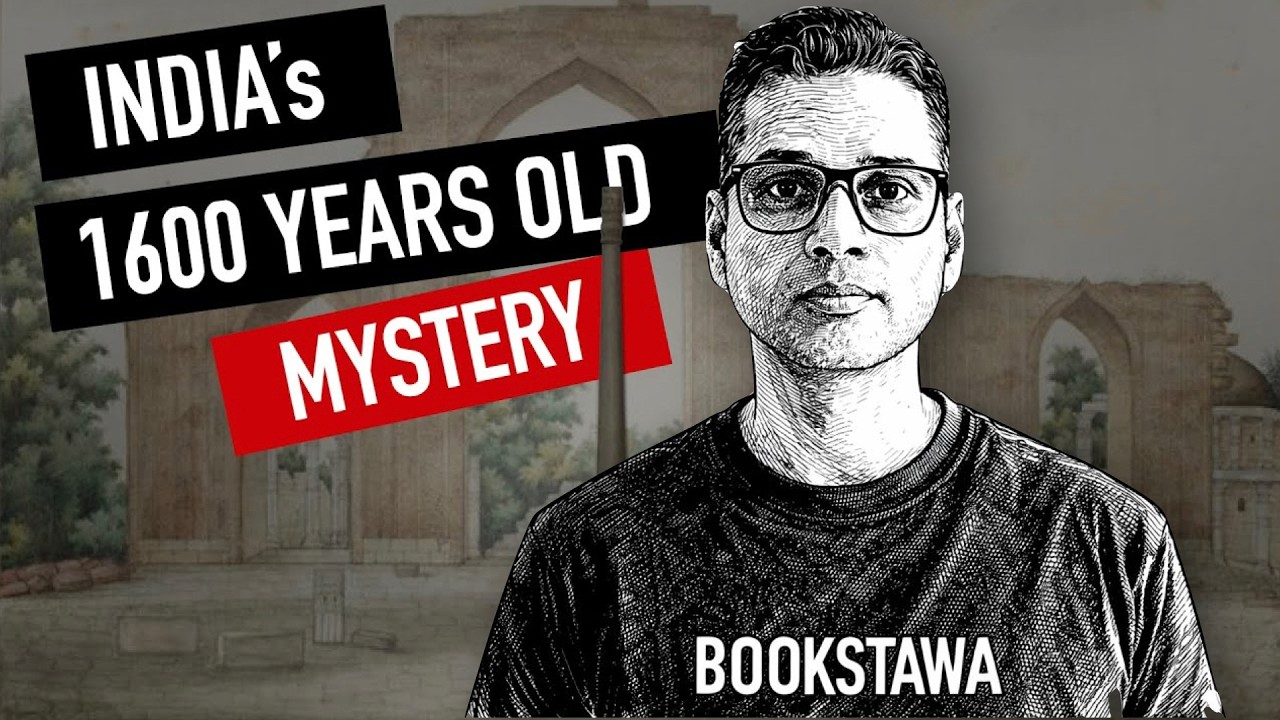
- (c) The inscription on the remarkable iron pillar at Mehrauli (Delhi) stands as enduring evidence of the extent of his empire and the unparalleled metallurgical skill achieved during his reign.

Mehrauli Iron Pillar built by Chandragupta-II - A Symbol of Gupta Metallurgy Excellence
The Cultural Apex: Patronage of Arts, the Navratnas, and the Visit of Fa Hien
The era of Chandragupta II is globally recognized for its incredible advancements in art, science, and literature, owing to the emperor's strong personal patronage of learning and intellectual exchange.
- The Navratnas (Nine Gems): His court was illuminated by the presence of the legendary Navratnas, a group of nine extraordinary scholars, artists, and scientists who represented the pinnacle of contemporary knowledge.
- The Scholars of the Court: This revered group included giants like the renowned Sanskrit poet Kalidasa, whose works like Abhijnashakuntalam are literary masterpieces, and Varahamihira, the brilliant astronomer and author of Pancha Siddhantika.
- Literary and Scientific Luminaries: Other crucial members included the pioneer of Ayurveda, Dhanvantri, and the esteemed lexicographer, Amarasimha, who compiled the famous Amarakosha.
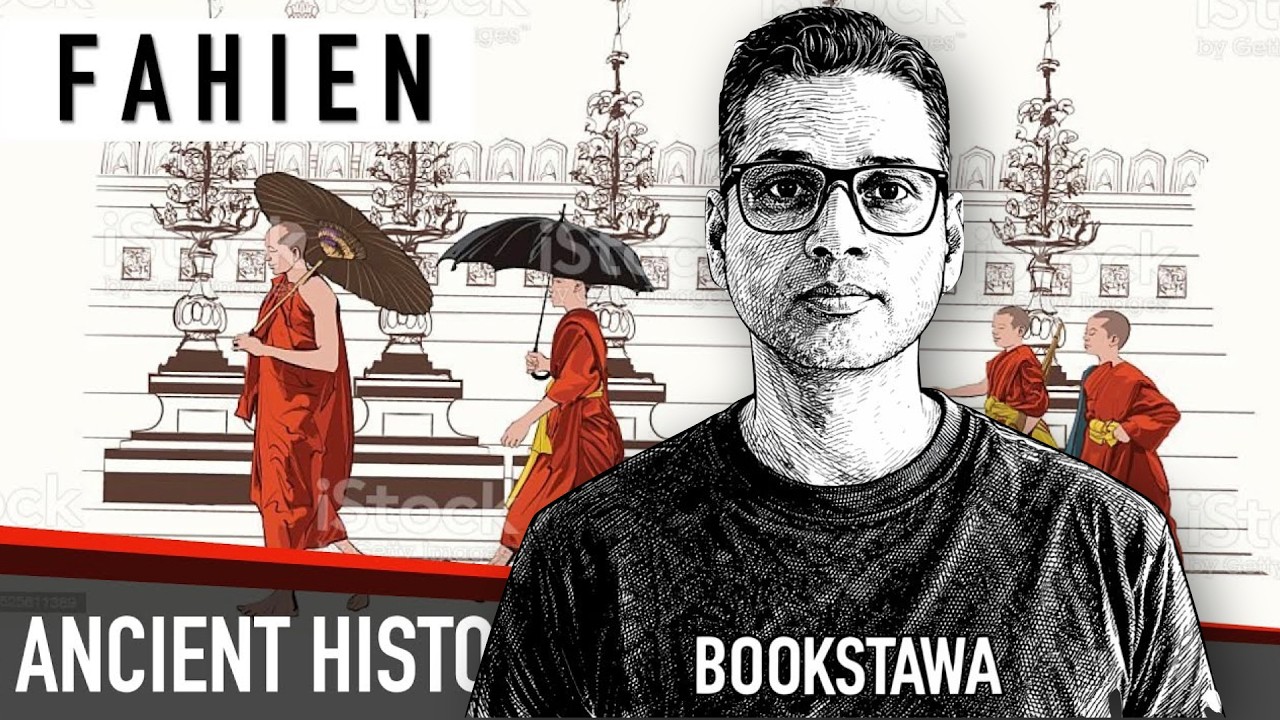
- The Chinese Pilgrim's Account: During his reign, the esteemed Chinese Buddhist pilgrim, Fa Hien, traveled through India between AD 404 and 411, leaving behind invaluable documentation of the peaceful and prosperous life of the people during the fifth century AD.
Vikramaditya – The Person: Military Prowess and Patronage of Culture
The emperor Chandra Gupta II was a towering historical figure who perfectly epitomized the ideal Gupta king. He stood out not only as a courageous warrior and great swordsman, but also as a highly sophisticated diplomat, a just ruler, and an inspiring statesman.
Military Successes and International Diplomatic Relations
His administrative era was deeply marked by crucial military victories that expanded the empire, which he seamlessly followed up with far-sighted diplomatic actions to secure international stability.

The Glorious Lineage of the Gupta Rulers - (i) Securing Western India: Following the successful conquest of Western India, a move that secured crucial trade routes, Chandra Gupta II immediately moved to establish diplomatic relations with King Ardashir of Persia.
- (ii) Boosting Exchange: This strategic international alliance served the vital purpose of boosting trade and cultural exchanges between the flourishing Gupta Empire and the powerful Sassanian Empire of Persia.
- (iii) Patronage of Arts and Culture: The legendary assembly of the Navaratnas (Nine Gems) in his royal court serves as the highest testament to his profound commitment to intellectual and artistic excellence.
- (iv) Royal Titles and Coinage: He consistently assumed and used titles such as Vikramaditya, Maharajadhiraja, and the deeply devotional Paramabhagavata (supreme devotee of Vishnu). His reign is famous for the minting of fine gold and silver coins of exceptional purity and craftsmanship, visibly signifying the empire’s tremendous wealth.
Quick Revision Capsule: Key Figures and Milestones
Review this structured matrix outlining key operational components, figures, and strategic pillars of Chandragupta II's reign:
| Historical Figure / Concept | Strategy Mechanism & Works | Core Target Objective & Value |
|---|---|---|
| Kalidasa | Authored Abhijnanashakuntalam and epic masterworks | Cultural and dramatist literary excellence |
| Varahamihira | Compiled the complex Pancha Siddhantika matrix | Advanced mathematical and astronomical tracking |
| Prabhavati Gupta | Matrimonial alliance into the Vakataka Dynasty | Indirect administrative control over the Deccan plateau |
| Shaka Conquest | Decisive military campaigns in Western India | Opening rich maritime trading ports on the coast |
| Fa Hien | Travel documentation between AD 404 and 411 | Recording the peaceful and prosperous lifestyle of citizens |
Summary
The historical reign of Chandra Gupta II successfully culminated the ascent of the Gupta Empire into its ultimate 'Golden Age.' This era was deeply defined by vast military strength, exceptional administrative brilliance, and unparalleled patronage of arts and sciences. His calculated strategic alliance with the Vakatakas and the subsequent western expansion ensured continuous economic dominance, which is evident in the flourishing local guilds and commerce. As the empire later progressed forward, Kumaragupta I took up the imperial mantle, donning the formal titles Shakraditya and Mahendraditya; as an active patron of knowledge, he proudly founded the illustrious Nalanda University, which remained a global beacon of academic learning for centuries. However, serious military challenges soon loomed on the horizon. His successor, Skandagupta, was forced to face the relentless tide of violent Hun invasions. Though he valiantly defended the empire and took the title Vikramaditya, the extreme economic strain of continuous warfare left a permanent mark. The classic golden age gradually began to fade, yet the structural legacy left an indelible mark on global history.
Quick Study Guide Checkpoints
Focus intently on these rapid historical facts during core exam preparation:
- (i) The reign of Chandragupta II spanned from AD 375 to 414, marking the maximum geopolitical influence of the dynasty.
- (ii) Dhanvantari systematized ancient health methodologies and is revered as the historical founder of Ayurveda.
- (iii) The iron pillar at Mehrauli (Delhi) stands as an enduring engineering testament to the supreme metallurgical skill of the Gupta era.
- (iv) Kumaragupta I founded Nalanda University, while his successor Skandagupta spent key state resources repelling incoming Hun invasions.
- Exam Tip: Always analyze how matrimonial alliances with the Nagas and Vakatakas acted as necessary political precursors to the direct military campaigns against the Shaka satraps. Evaluators frequently test this causal link in competitive exam questions.
Frequently Asked Questions (FAQ)
Q1: Who were the Navaratnas and why did they matter to the Gupta administration?
A1: The Navaratnas, or Nine Gems, were a premier assembly of nine specialized scholars, poets, and scientists—including Kalidasa and Varahamihira—whose collective outputs created a massive cultural renaissance, establishing the period as a classic Golden Age of learning.Q2: How did Chandragupta II secure indirect control over the Deccan region?
A2: He married his daughter, Prabhavati Gupta, into the powerful ruling Vakataka dynasty. When her husband Rudrasena II died unexpectedly, she assumed the role of queen regent, managing the kingdom under her father's direct guidance.Q3: What long-term factors eventually caused the decline of the Gupta Golden Age?
A3: While rulers like Kumaragupta I expanded education by building Nalanda University, subsequent kings like Skandagupta faced exhausting Hun invasions. The immense economic strain of defending the borders depleted the imperial treasury, causing the empire's ultimate fragmenting.