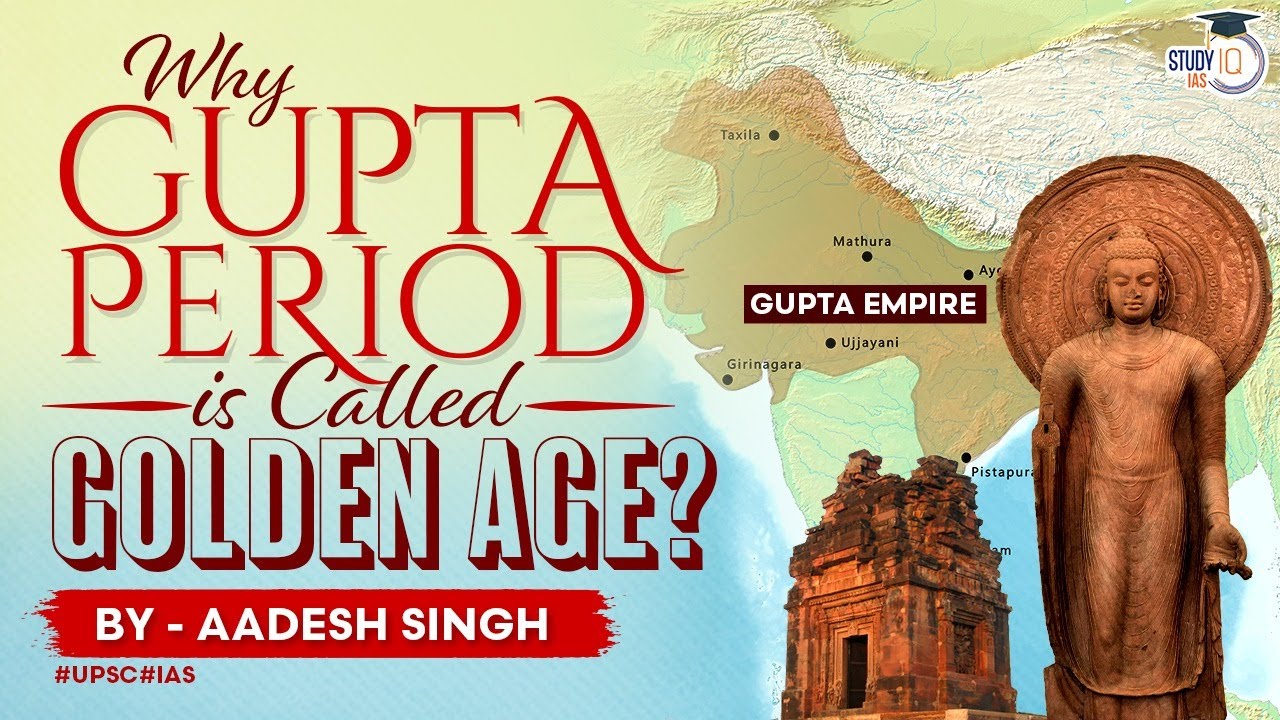
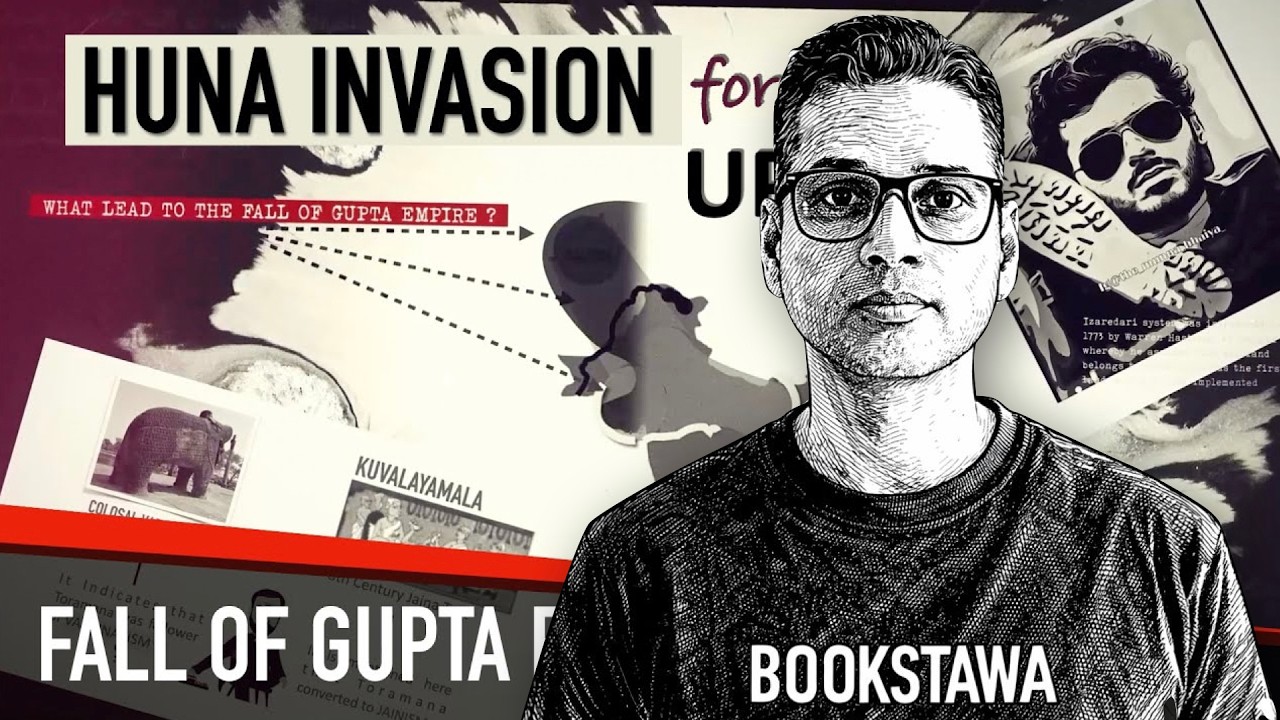
The decline of the powerful Gupta Empire, spanning primarily from the 5th century AD, stands out as a true turning point in ancient Indian history. For generations, this empire maintained a centralized rule that kept much of the subcontinent united. However, its gradual breakup paved the way for several regional kingdoms to take control and triggered the rise of feudalism across the land. This critical transition era was heavily marked by persistent Huna invasions and growing economic instability. For students preparing for major history and civil service examinations, mastering this topic is absolutely vital. It explains exactly how India shifted away from a single, powerful imperial authority toward decentralized regional powers that shaped the medieval world.
In this chapter, you will understand:
- How the central authority of the Guptas collapsed after the era of Chandragupta II.
- The devastating role that Central Asian Huna invasions played in draining imperial resources.
- The economic shifts, monetary degradation, and reliance on land grant charters.
- The rise of dominant regional powers like the Pushyabhutis, Chalukyas, and Pallavas.
Why this topic matters: This period bridges the gap between ancient and early medieval Indian history, highlighting how administrative fragmentation completely rearranged trade, society, and localized political structures.
Core Idea: The fall of the Gupta Empire was caused by external military shocks combined with severe internal financial decay. As gold currency degraded, the state traded away its administrative authority by gifting vast tracts of land to officials and priests. This systemic change laid the groundwork for an era of independent regional dynasties and decentralized feudal rule.
Disintegration of Gupta Imperial Power and Rise of Regional Dynasties (AD 415–650)
The structural cracks in the central authority started showing up clearly right after the historic reign of Chandragupta II. The empire found itself caught in a double bind: it had to fight off aggressive foreign invaders while watching its historic economic base slowly waste away.
- The internal stability began to give way as successors struggled to protect the extensive borders from aggressive nomadic incursions.
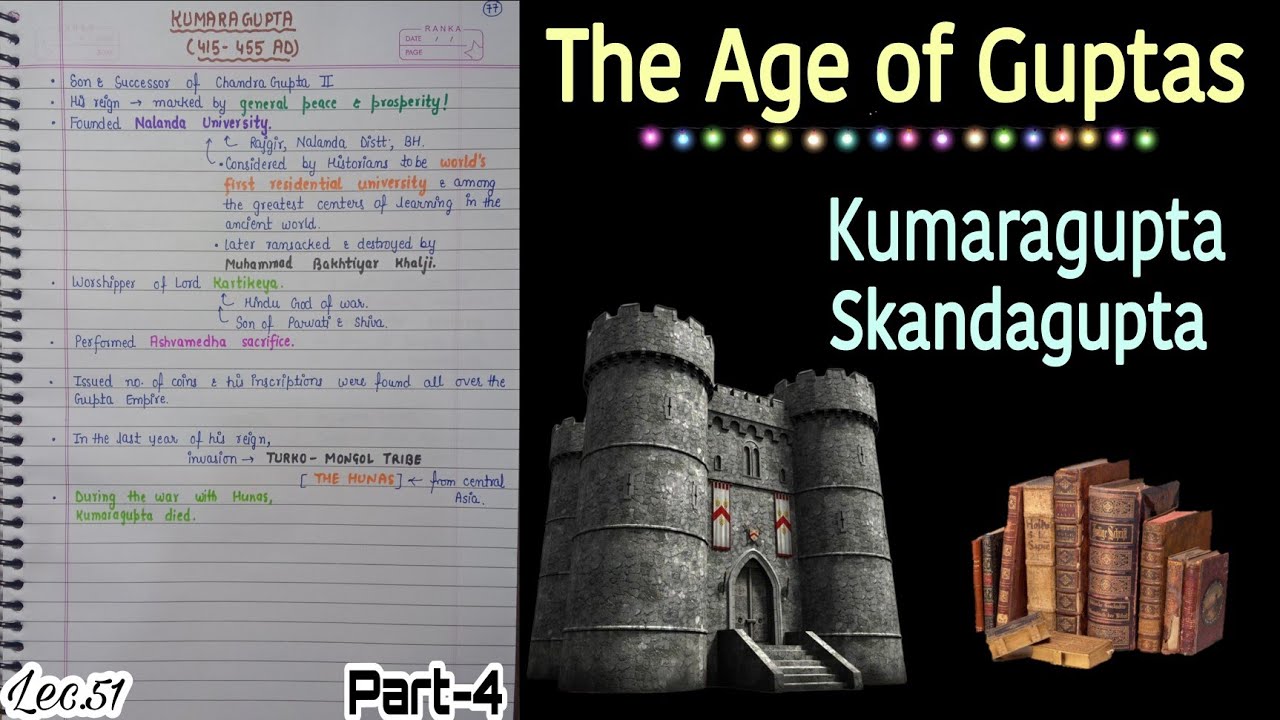
The long, golden peace of the imperial heartland was broken shortly after Chandragupta II's era ended. His immediate successor, Kumaragupta, was forced to confront the initial waves of highly hostile forces, dragging the dynasty into a costly and exhausting defensive war.
- (i) The responsibility of ruling went to Kumaragupta (AD 415–455), who worked hard during his initial decades to preserve the massive borders he received from his father.
- (ii) During the closing years of his rule, a highly dangerous external threat came from the Hunas of Central Asia. These riders took over Bactria, pushed through the Hindukush Mountains, and swept straight into the rich Indian subcontinent.
- (iii) The very first Huna attack was successfully turned back by the brilliant military leadership of Prince Skandagupta. However, the non-stop waves of later Huna invasions proved far too brutal for later kings to handle, directly causing the disintegration of the Gupta Empire.
The Huna Invasion and Internal Economic Decline
Foreign invasions were the physical hammer blows that shattered the empire, but deep internal structural flaws—especially a gradual economic decline—guaranteed that the state could never recover its former glory.

The Impact of Relentless Huna Incursions
The story of the Gupta decline is tied up with the brutal, highly organized attacks of the Hunas. They didn't just raid border towns; they carved away primary chunks of the empire's heartland to build their own independent kingdoms.
- (i) Historic rock inscriptions prove that by the year AD 485, the Hunas had fully conquered eastern Malwa along with substantial portions of central India, while also capturing Punjab and Rajasthan.
- (ii) The first prominent Huna ruler in India was Toramana, who managed to push his borders deep into Gupta domains all the way down to Eran (near Bhopal).
- (iii) In the year AD 515, he was followed by his son, Mihirkula, who is recorded by historians as a cruel tyrant and an aggressive iconoclast who took pleasure in destroying cultural and religious institutions.
- (iv) Even though Mihirkula's cruel reign was eventually broken by a combined alliance of Yashodharman of Malwa and the Gupta king Narasimhagupta Baladitya, this historic victory came too late to save the collapsing Gupta imperial structure.
Signs of Economic Instability and Monetary Degradation
Away from the bloody battlefields, the state dealt with a serious economic decline. We can track this ruin by looking closely at the sudden deterioration of their legendary gold coinage and the changing ways the state paid its staff.
- (a) A glaring sign of financial panic shows up in the physical quality of the later Gupta gold coins, which show a steep drop in pure gold content and were heavily mixed with cheaper alloys.
- (b) Throughout this transition era, there was a sharp and highly visible decline in the use of coins for everyday trade, reflecting a shrinking market economy.
- (c) Because the treasury ran out of hard currency, kings had to resort to land payments to reward service, a major shift proved by the discovery of numerous large-scale land grant charters issued to brahmanas and state officials.
Emergence of Feudalism and Small Power Centers
The rising reliance on land grants completely reshaped ancient India's political reality. It kicked off the true age of feudalism, which split centralized power into dozens of ambitious local entities.
The Systemic Growth of Feudal Practices
Giving away territory in place of cash for religious or administrative duties became the standard way of doing business. This practice birthed a new social hierarchy known as feudalism, transforming the old bond between the monarch and the regional elite.
- (i) Under these new rules, the donee (the individual receiving the land) was handed immense local control, securing the absolute right to collect taxes and administer the donated territory without imperial interference.
- (ii) Handing over judicial and tax collection powers created hundreds of autonomous, small power centers that spent their time trying to expand their local territory.
- (iii) The collective weight of these rising local barons caused the progressive weakening of the central ruling authority, speeding up the royal collapse and fracturing Northern India into competing states.
Quick Revision Capsule: Post-Gupta Dynastic Overview
Use this reference table to review the primary regional powers that split from the empire:
| Dynasty & Region | Primary Power Mechanism | Core Historical Objective / Impact |
|---|---|---|
| Pushyabhutis of Thanesar | Military consolidation under Harsha | Briefly restored imperial unity in North India; moved capital to Kanauj. |
| Maukharies of Kanauj | Shifted from subordinates to sovereign rulers | Turned Kanauj into the primary political hub, eclipsing classic Pataliputra. |
| Maitrakas of Valabhi | Control over Western Indian maritime trade ports | Transformed Valabhi into a legendary center of learning and wealthy commerce. |
| Chalukyas of Vatapi | Deccan military supremacy | Defeated Harsha at the Narmada River; dominated the central Deccan core. |
| Pallavas of Kanchi | Agrarian integration and Dravidian art patronage | Championed early Tamil Bhakti literature and built iconic stone monuments. |
Summary
The collapse of the unified Gupta realm between the 5th and 6th centuries AD brought a definitive close to the Classical Age, stepping directly into the early medieval era. The combination of intense Huna invasions and devastating economic decline forced the empire to abandon cash administration for land grant charters. This structural shift caused the rapid rise of feudalism. From the ruins of the central state emerged highly ambitious regional kingdoms—such as the Pushyabhutis, Maukharies, Maitrakas, Vakatakas, Chalukyas, and Pallavas. Tracking this critical structural evolution is necessary for any modern student, as it maps out the exact layout of medieval Indian politics.

Core Rapid Revision Checkpoints
Keep these fundamental historical principles clear in mind for your exams:
- (i) The Huna raids under leaders like Toramana and Mihirkula permanently shattered the imperial administration in Central and Northern India.
- (ii) The economic contraction is physically proven by the debasement of late-era gold coins and a sharp drop in overall currency circulation.
- (iii) The widespread distribution of land grants transferred tax and judicial powers away from the crown, creating autonomous small power centers.
- (iv) Harshavardhana attempted a grand Northern restoration in AD 606, but his advance was checked by the Deccan power of the Chalukya king, Pulakesin II.
- Exam Tip: Civil service questions frequently focus on the causal link between debased coinage, the introduction of secular land grants, and the growth of political feudalism. Always cite the rock inscriptions at Eran and the travel documents of Hsuan Tsang to back up your answers.
Frequently Asked Questions (FAQ)
Q1: Why did the late Gupta gold coins show such poor material quality?
A1: The empire suffered severe financial strain due to trade disruption and long defensive wars against the Hunas. To cope, the imperial mints reduced the proportion of pure gold content and increased standard alloys, signaling widespread economic degradation.Q2: Who were the primary rulers of the Hunas, and how were they defeated?
A2: The initial powerful Huna leader was Toramana, followed by his tyrannical son Mihirkula in AD 515. Mihirkula's aggressive expansion was eventually halted by an allied force consisting of Yashodharman of Malwa and the Gupta ruler Narasimhagupta Baladitya.Q3: How did the geographic capital shift during this transitional period?
A3: The ancient imperial center of Pataliputra lost its long-held strategic importance due to declining trade. The city of Kanauj emerged as the premier political prize of Northern India, serving as the power base for the Maukharies and later for Harshavardhana of the Pushyabhutis.