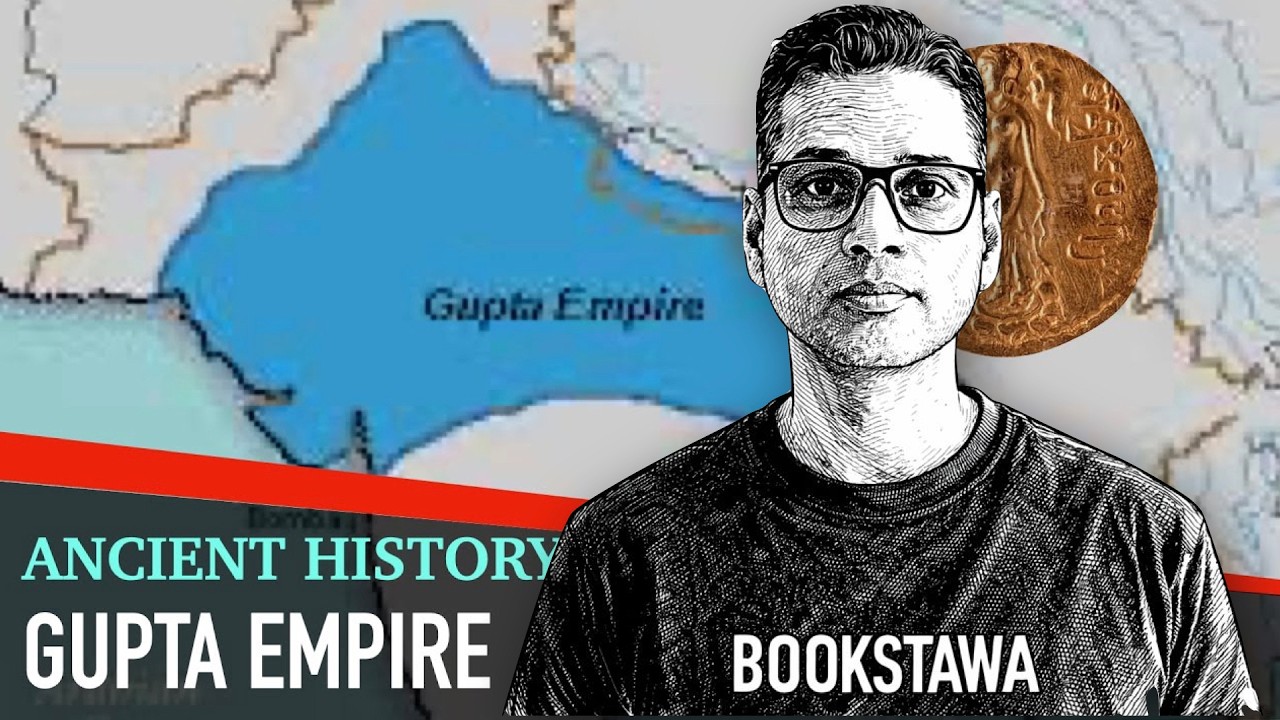
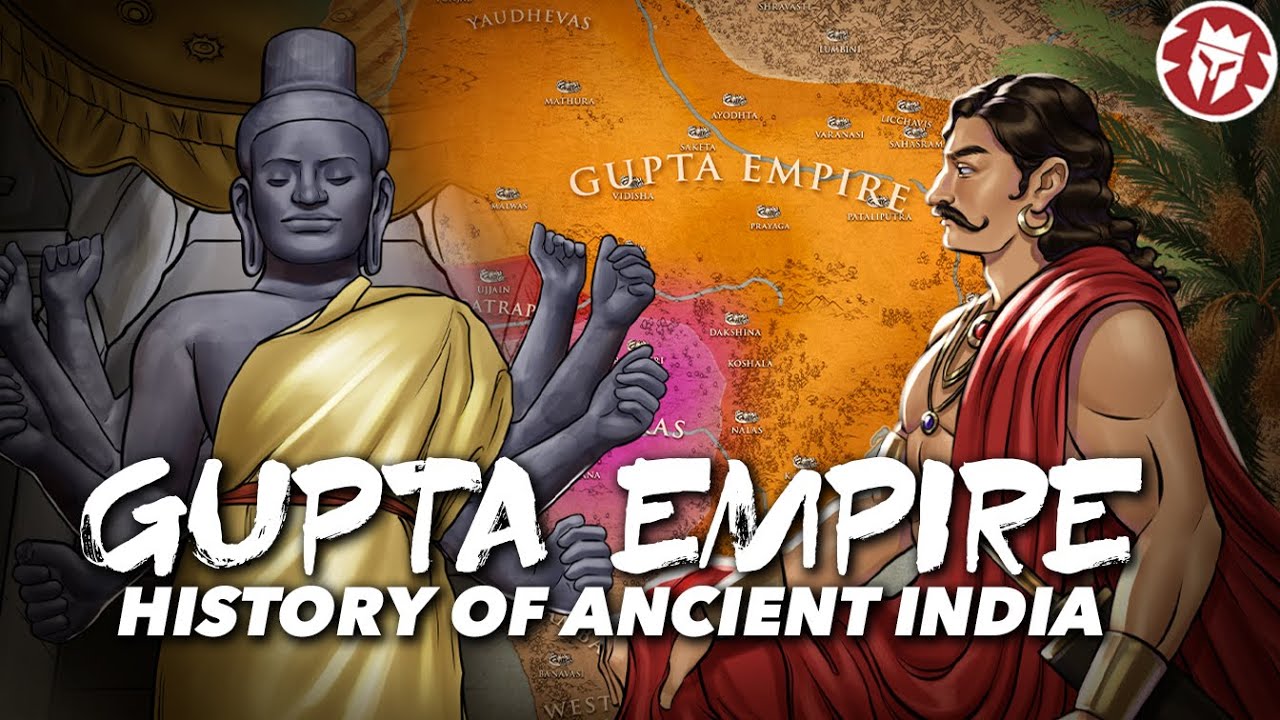
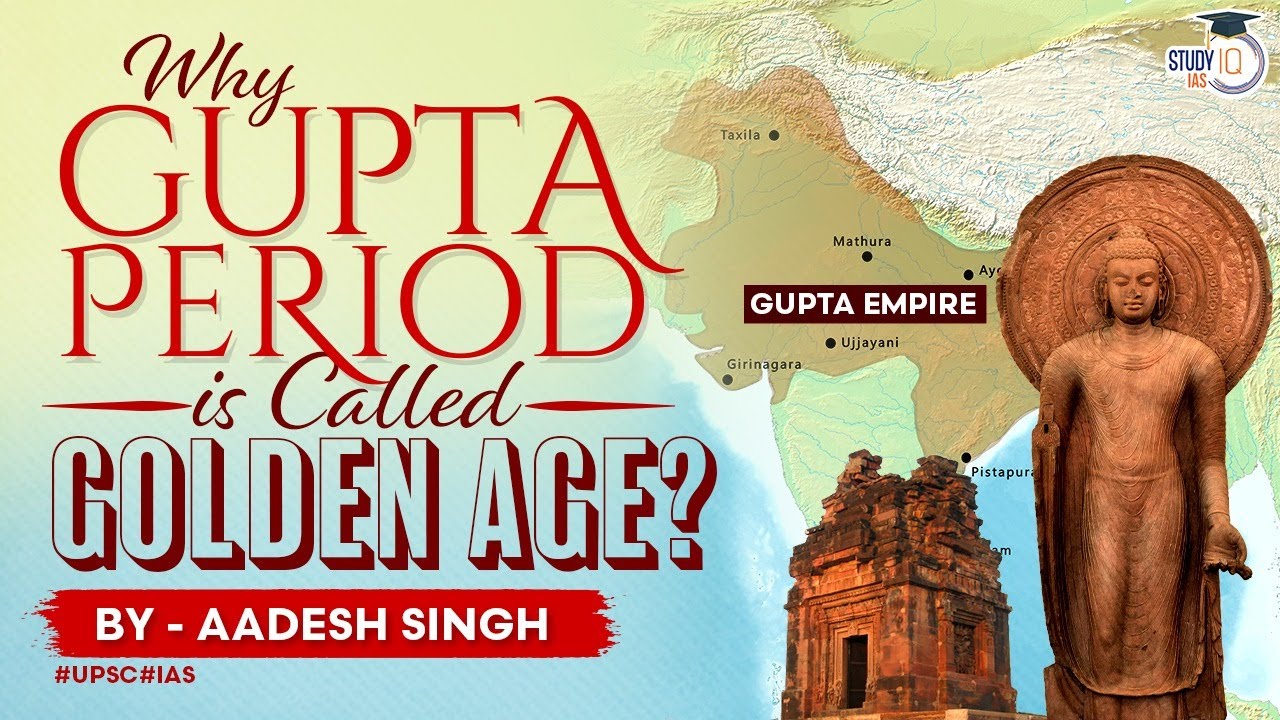
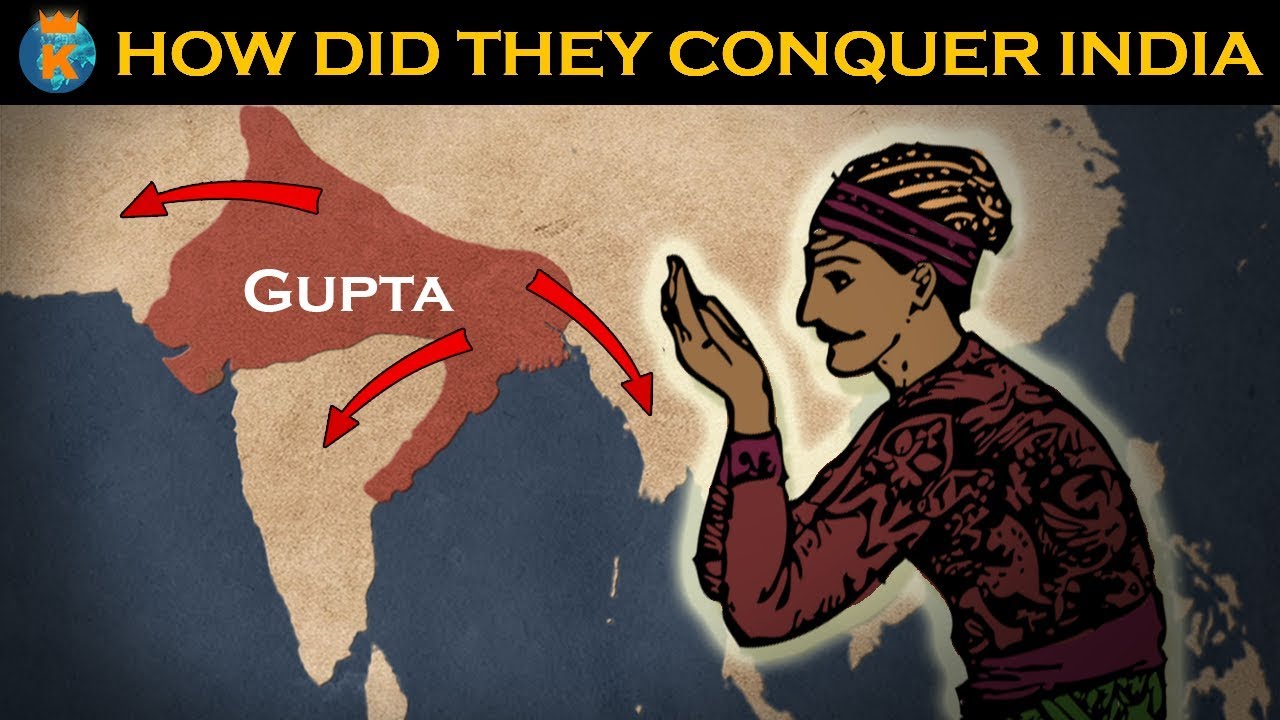
The history of the Gupta Empire, spanning from around 320 A.D. to 550 A.D., marks the celebrated Golden Age of India in terms of cultural and scientific achievements. The Gupta dynasty emerged as a formidable power, stabilizing Northern India after the weakening of the Kushanas, yet the precise details of their rise, ancestral roots, and initial geographic base remain subjects of intense academic discussion among historians. This detailed account explores the fascinating, yet debated, origin, homeland, and ancestry of the Guptas, which is crucial information for students preparing for historical and competitive examinations.
In this chapter, you will understand:
- The geopolitical transition of Northern India following the decline of the Kushana power structure.
- The major geographical arguments identifying the early imperial homeland across Prayag, Bengal, and Magadha.
- The lineage markers, caste positions, and gotra allocations behind the dynastic name "Gupta".
- The structural boundaries and early expansion models that laid the groundwork for the Golden Age of India.
Why this topic matters: Mastering the initial stages of this imperial house helps students analyze how decentralized administrative states consolidated power in ancient India. It forms a crucial part of historical exams covering major transitions between post-Mauryan eras and early medieval setups.
Core Idea: The era starting from 320 A.D. introduced the imperial rise of the Guptas until their decline near 550 A.D.. While their administrative, literary, and artistic advancements are fully documented, their exact geographical roots and social caste origins remain divided between distinct theories pointing to regional hubs in Bihar and Bengal.
Unraveling the Origin, Homeland, and Ancestry of the Imperial Gupta Dynasty (320-550 A.D.)
The period commencing around 320 A.D. heralded the ascent of the Guptas, establishing an empire that lasted until 550 A.D. and is universally recognized as the Golden Age for its unprecedented flourishing in art, architecture, literature, and education.
Scholarly Theories on the Geographical Origin and Homeland of the Guptas
Historians have passionately debated the dynasty's place of origin, with evidence pointing towards regions like the Ganges plains, Bengal, and Bihar, creating a complex narrative for the initial extent of the Gupta territories.
- Definitive historical sources regarding the homeland and ancestry of the early Guptas are limited, leading scholars to propose various conflicting theories based on available inscriptions and literary accounts.
Debated Origins: Prayag, Bengal, and Magadha in Gupta History
The search for the Gupta homeland has led researchers across Northern India, with different archaeological findings and literary texts supporting distinct locations, painting a picture of a gradual territorial expansion.
- The Prayag/Allahabad Theory: Scholars like K.P. Jaiswal and Dr. Gayal suggested the Guptas originated in Prayag (Allahabad), positing that they initially functioned as feudatories, possibly under the influence of the local Nagas or Bharsivas before ascending to independent sovereignty.
- The Bengal/Bihar Connection:Dr. D.C. Ganguli made a case for Murshidabad, Bengal, as the early home, primarily drawing evidence from the accounts of the Chinese Buddhist pilgrim I-Tsing, who documented the early rulers' presence in this area. This theory is further supported by the distribution of early Gupta coins in regions encompassing Bengal and Bihar.
- Magadha and Varendri Perspectives: While Allan proposed that the Guptas originated in Magadha before initiating their expansion into Bengal, other scholars argued the opposite—that their homeland was Varendri (Bengal), from where they subsequently expanded their influence towards Magadha, highlighting the dynamic nature of their early territorial claims.
- The Allahabad Inscription Focus:S.R. Goyal favored Allahabad as the probable home, largely based on the significant inscriptions discovered there, even while acknowledging the early coinage appearing across the eastern provinces of Bengal and Bihar.
- The Mathura-Ayodhya Contention:B.P. Sinha put forward the idea of the Mathura-Ayodhya region being the Gupta's original area, a claim that faced strong refutation by fellow historian D.K. Ganguly due to a lack of concrete corroborating evidence.
Lineage Clarification and Varna Context
The true lineage of the Guptas and the very meaning of the surname 'Gupta' have been central to the historical debate, aiming to determine their social standing prior to achieving imperial status and confirming their ancestral gotra.

- The scholarly quest aims to pinpoint the original seat of power from where the dynasty, starting with Maharaja Sri Gupta, began its journey towards imperial dominance, consolidating the fragmented political landscape.
Analyzing the Ancestral Links and the Significance of the 'Gupta' Surname
Historical investigations explore whether the name was an earned honorific or an inherited clan designation.
- Pre-Imperial Connections: Historical records indicate that some officials during the earlier Shunga and Satavahana dynasties bore the surname Gupta. However, a clear, undisputed genealogical link connecting these individuals to the later Imperial Guptas remains uncertain and is not yet conclusively proven.
- I-Tsing's List of Early Rulers: The valuable Chinese records compiled by the monk I-Tsing provide a crucial, early sequence of rulers, listing them hierarchically as Maharaja Sri Gupta, followed by Maharaja Sri Ghatotkacha, and then the first Maharajadhiraja, Sri Chandragupta.
- The Kshatriya Status:Dr. S. Chattopadhya discovered compelling evidence in the Panchobh Copper Plate, which strongly suggested that the Guptas belonged to the Kshatriya caste, a position that is today the most widely accepted theory concerning their varna status.
- Contrasting Ancestral Theories:K.P. Jaiswal's speculative claim that they descended from the Jat tribe of Punjab has been largely dismissed by the scholarly community due to its insufficient evidential backing. Conversely, Dr. H.C. Roychowdhury linked the dynasty to the Dharana Gotra, traditionally associated with the Shunga dynasty.
- The 'Gupta' Terminology Debate: The name "Gupta" itself sparks discussion: was it originally a mere title adopted by Sri Gupta, the dynasty's founder, or was it an inherent family name? The fact that subsequent imperial rulers consistently integrated "Gupta" into their full names led to the firm establishment of the dynastic name: "Imperial Gupta Dynasty."
Early Territorial Limits and Regional Bases
Mapping the initial boundaries of the nascent Gupta state is another challenging aspect, with evidence suggesting their base was likely established in the eastern parts of the Indian subcontinent.
- Understanding the early stages of this dynasty is paramount for students to grasp the transition of power in ancient India following the major empires like the Mauryas and the Kushanas.
Early Territorial Extent and the Magadha Connection
Scholars categorize the early expansion models into three core geographic positions centered around classical eastern zones.
The strategic corridor connecting Bihar and Bengal served as the central axis for early Gupta expansion. - Varendri (Bengal) Focus:Dr. R.C. Majumdar suggested an early connection to Varendri (Bengal), basing his theory partly on a stupa inscription found in Nepal, thus placing their initial center of power in the easternmost regions.
- Bengal and Bihar as Initial Base: A broader view was offered by Dr. Ganguli, who posited that the empire's original territorial spread encompassed both Bengal and Bihar, areas known for their historical strategic and commercial importance.
- Magadha as the Base of Expansion: Other interpretations suggest the expansion originated from Magadha, historically a significant political center, implying the Guptas first secured this region before extending their dominion towards Bengal.
Quick Revision Capsule: Historical Theories of Gupta Origins
Review this concise mapping of historical arguments, prominent advocates, and empirical data points concerning the early foundations of the dynasty:
| Proposed Homeland | Key Academic Proponents | Primary Evidence & Arguments |
|---|---|---|
| Prayag (Allahabad) | K.P. Jaiswal, Dr. Gayal, S.R. Goyal | Inscriptions located at Allahabad; early feudatory actions under local Nagas or Bharsivas. |
| Murshidabad (Bengal) | Dr. D.C. Ganguli | Travel journals of Chinese pilgrim I-Tsing; heavy concentrations of early numismatic coin findings. |
| Magadha (Bihar) | Allan | Traditional core imperial center of power; territorial expansion pushed outward from Bihar into Bengal. |
| Varendri (Bengal) | Dr. R.C. Majumdar | Specific stupa inscription discovered in Nepal indicating eastern centers of early authority. |
| Mathura-Ayodhya | B.P. Sinha | Western regional origin hypothesis; strongly contested by D.K. Ganguly due to low backing. |
Summary
The intensive study into the origins, ancestry, and homeland of the Guptas is vital because it reveals the foundations upon which the Golden Age of India was built, offering students deep insight into the political and social dynamics of early medieval Indian history. Resolving these ancestral roots helps clarify how a local power successfully unified the fragmented northern plains to cultivate lasting achievements across art, science, and governance.
Quick Revision Points
Focus on these historical checkpoints for examination reviews:
- (i) The Imperial Gupta timeline runs reliably from around 320 A.D. to 550 A.D., filling a major power void left after the collapse of the Kushana empire.
- (ii) I-Tsing's ancient travel summaries preserve the primary sequential lineup of the early rulers: Sri Gupta, followed by Ghatotkacha, leading into Chandragupta I.
- (iii) The Panchobh Copper Plate is widely cited by modern historians to validate the traditional Kshatriya status of the imperial house.
- (iv) While Dr. H.C. Roychowdhury assigned the family to the Dharana Gotra, competing claims linking them to alternative lines like the Punjab Jats have been set aside.
- Exam Tip: Pay close attention to matching specific historians to their respective geographical theories in multiple-choice questions. Remember that coin distribution maps point heavily to the Bengal-Bihar corridor, while major celebratory pillars align with Prayag.
Frequently Asked Questions (FAQ)
Q1: Who was the established founder of the Imperial Gupta Dynasty?
A1: The dynasty was founded by Maharaja Sri Gupta, who initiated the line before it attained full imperial scale under his grandson, Maharajadhiraja Chandragupta I.Q2: What caste status is most widely accepted for the Gupta rulers today?
A2: Based on epigraphic evidence found in ancient sources like the Panchobh Copper Plate, the consensus supports their classification under the Kshatriya varna.Q3: Why does the Chinese monk I-Tsing figure prominently in debates about the Gupta homeland?
A3: I-Tsing documented early royal foundations and construction works dedicated to Chinese monks in the eastern provinces, which provides a strong baseline for the Bengal-Bihar origin theory.