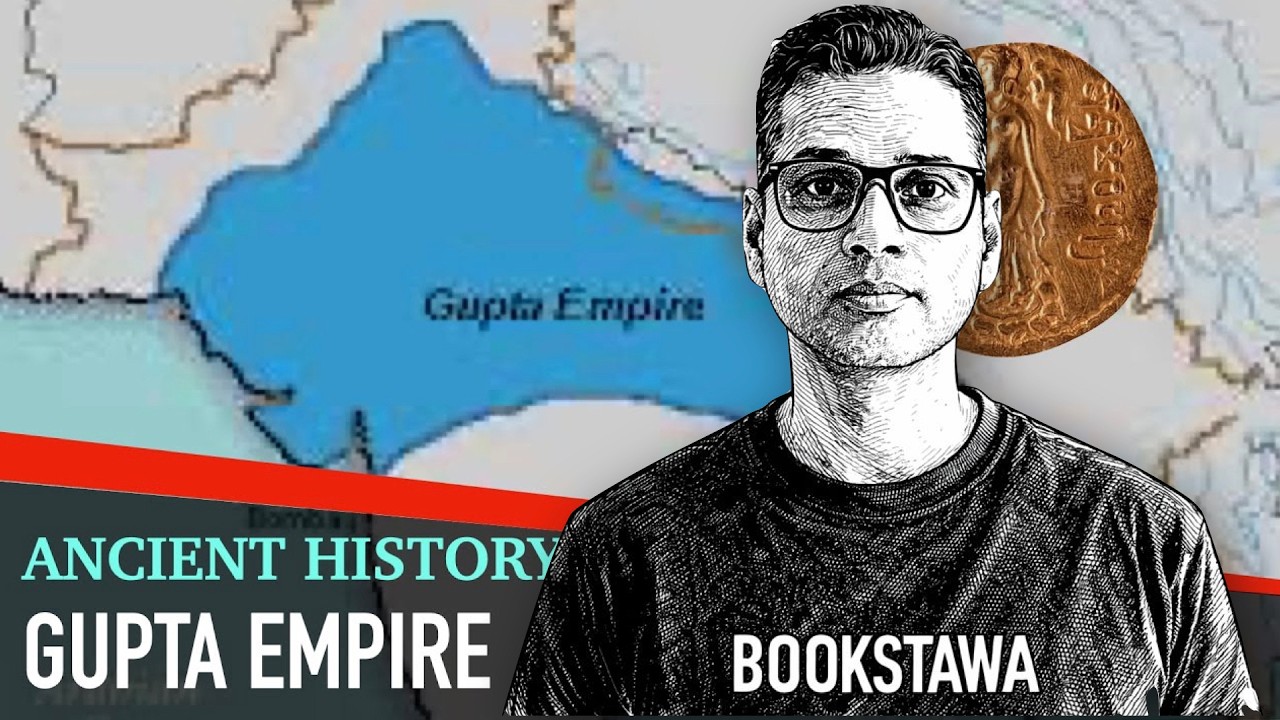
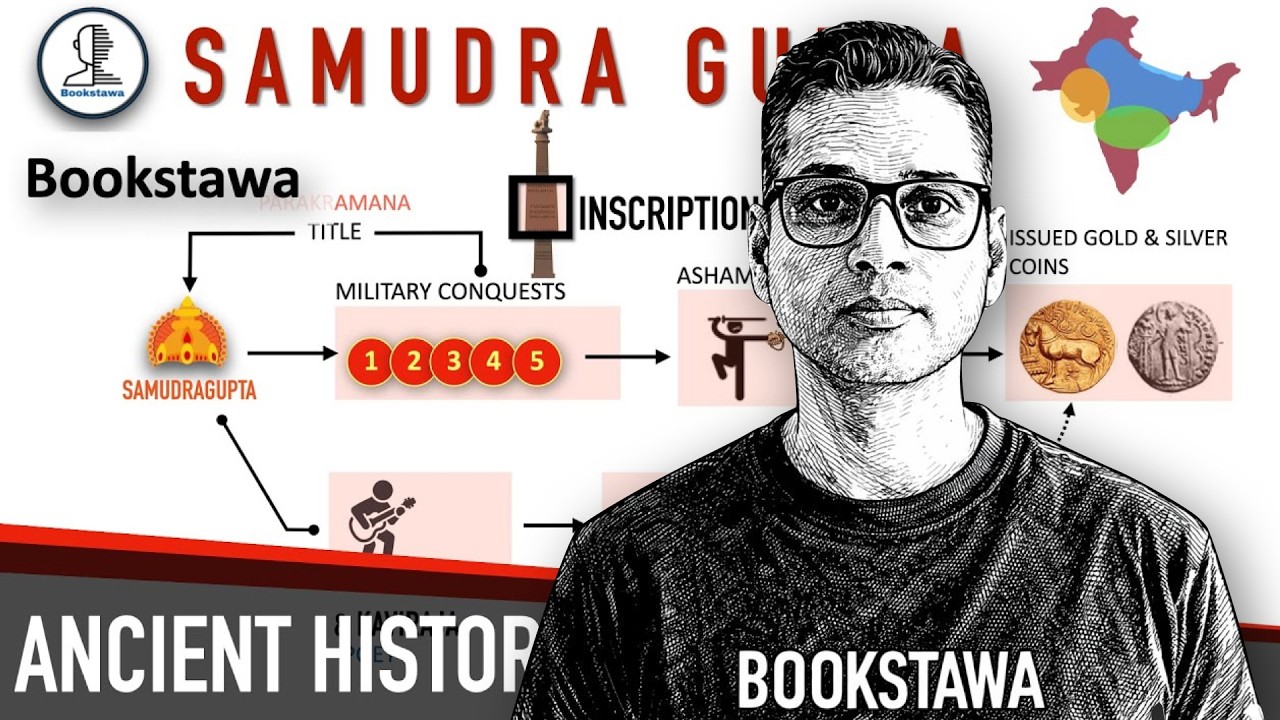
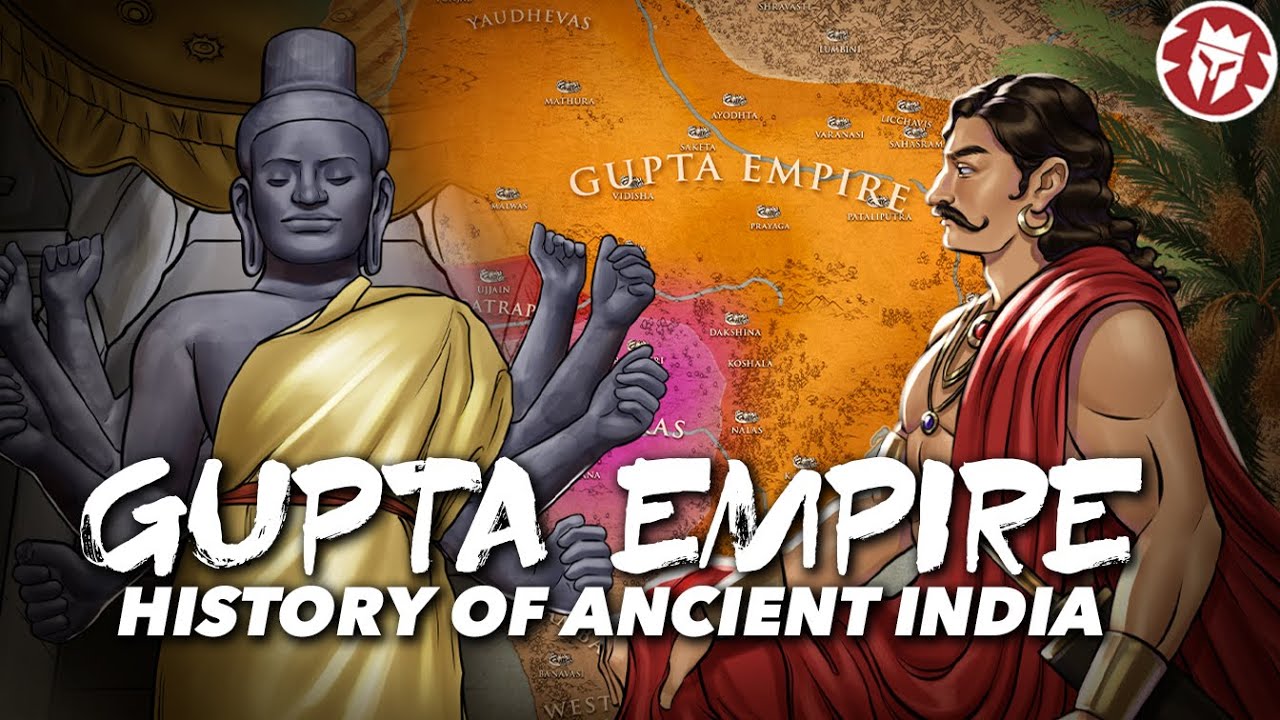
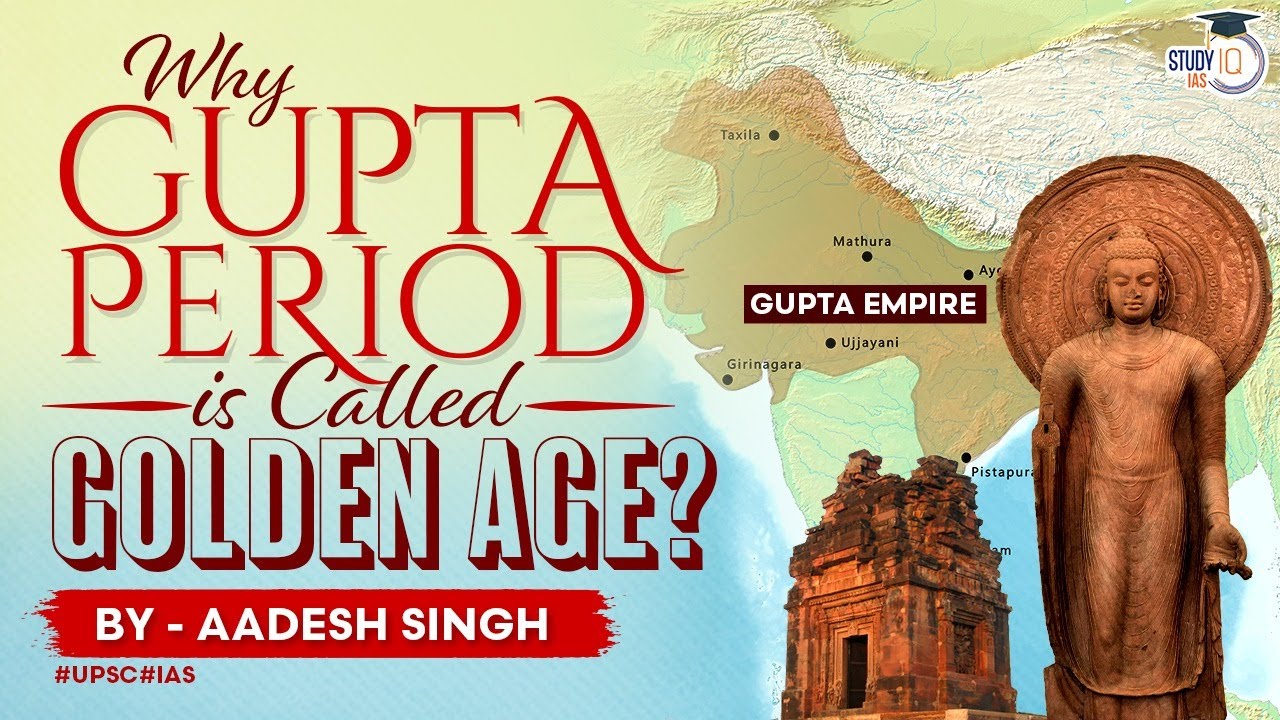
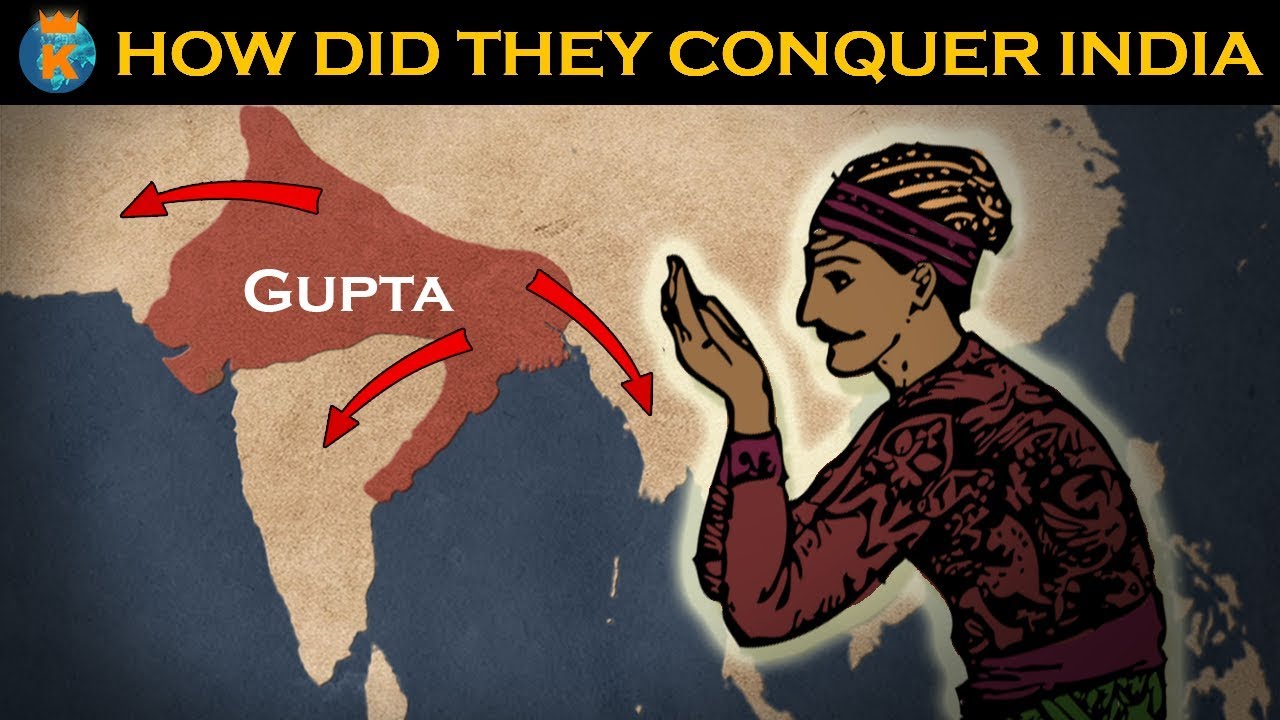
The Gupta Empire stands as a pivotal period in ancient Indian history, often hailed by historians as the Golden Age of India. This classical era offers crucial conceptual insights for students preparing for competitive historical examinations. This highly transformative era began its initial political ascent around the year 275 CE and eventually reached its absolute zenith under legendary imperial rulers like Chandragupta I, who is officially credited with launching the unified Gupta Era between the years AD 319-320. By leveraging strategic territorial control over incredibly fertile heartlands and capitalizing on rich iron ore resources located across eastern U.P. and Bihar, this powerful dynasty established a vast, highly prosperous empire that seamlessly succeeded prior pan-regional entities like the Kushanas and the Murundas.
In this chapter, you will understand:
- The geopolitical vacuum created across North India following the fragmentation of the Kushana Empire.
- The unique geographical, agricultural, and iron ore material advantages that powered the early economy.
- The critical transition from local feudatory status under Shrigupta to imperial sovereignty under Chandragupta I.
- The strategic socio-political significance of the Lichchhavi matrimonial alliance and the establishment of Pataliputra.
Why this topic matters: Mastering the structural rise of the Gupta dynasty provides a foundational framework for analyzing the evolution of administrative decentralization, ancient trade routes, classical art, and the subsequent emergence of post-Gupta regional kingdoms like the Chalukyas and Pallavas between AD 550–750.
Core Idea: The decline of late Kushana authority allowed regional chiefs in the mid-Ganga basin to consolidate power by securing vital resources. Through targeted conquests and elite marriages, these rulers transformed a minor principality into a massive empire centered at Pataliputra. This transition set off centuries of profound cultural, political, and economic stability across the Indian subcontinent.
The Rise of the Gupta Dynasty: A Golden Age After Kushana Decline (3rd to 6th Century CE)
The political landscape of ancient India witnessed a massive shift in territorial authority following the eventual fragmentation and fading grandeur of the once-mighty Mauryan Empire. This vast imperial void was temporarily anchored by strong regional entities, primarily the Kushanas in the northern zones, who controlled vital trade routes, and the Satavahanas throughout the Deccan. However, when the overarching Kushana dominance began to diminish significantly around 230 CE, it set the stage for a new, unifying political force to stitch the region back together.
Strategic Advantages and the Foundation of the Gupta Empire
The ultimate success of this rising dynasty was not accidental; it was built upon a rock-solid bedrock of key material and geographical advantages that provided the essential resources for political stability and rapid military expansion.
- (i) The Kushanas' decline created an immediate power vacuum across North India, particularly in the strategically crucial agricultural regions of the Ganga plain, which the emerging Gupta rulers exploited effectively.
Material and Geographical Strengths of the Guptas
The early Guptas, likely belonging originally to the Vaishya caste, shrewdly positioned their operational base of power in regions that were both agriculturally rich and highly resource-abundant, unlike many predecessors who focused solely on established urban political centers.
- Fertile Heartland: Their core area of operation was located in the territories of eastern U.P. and Bihar, particularly around the ancient settlements of Magadha and Prayaga, which were globally renowned for high agricultural outputs, ensuring a strong economic base and food security for their growing standing army.
- Iron Ore Exploitation: The Guptas maintained crucial access to and effectively exploited the abundant iron ores of central India and Bihar. This direct access was absolutely vital for manufacturing superior military weapons and advanced agricultural tools, giving them a significant technological edge over regional rivals.
- Trade and Prosperity: Their control over the crucial Madhyadesha region allowed them to benefit immensely from the lucrative silk trade routes connecting India to the Byzantine Empire, channeling immense wealth into the imperial coffers.
Early Foundational Rulers of the Gupta Dynasty
The earliest known rulers laid the structural groundwork for later imperial expansion, though their initial reigns were characterized by localized, regional power dynamics rather than vast imperial sovereignty.

- Shrigupta: He is recognized globally across records as the true original founder of the Gupta dynasty, likely hailing from either Magadha (Bihar) or Prayaga (eastern U.P.). He probably held the simple title of Maharaja, which strongly indicates a localized or feudatory status.
Chandragupta I: The Real Founder and Launch of the Gupta Era (AD 319–334)
The true imperial phase of the dynasty began with the rise of Chandragupta I, who brilliantly transformed the family’s status from local rulers into the dominant political force of the subcontinent through a mix of military ambition and a masterful diplomatic marriage.
- Accession and Title:Chandragupta I, the ambitious son of Ghatotkacha (who also held the title of Maharaja), ascended the throne around 319–320 CE. This seminal event was adopted as the official epoch of the historical Gupta era, a chronological dating system used consistently in all subsequent records. He boldly assumed the title of Maharajadhiraja (king of kings), a clear declaration of his sovereign authority.
- Territorial Expansion: His empire stretched across vital regions including Magadha (Bihar), Saket (modern Ayodhya), and Prayaga (modern Allahabad). He established his centralized capital at Pataliputra (modern Patna), solidifying control over the political nerve center of North India until the empire concluded circa A.D. 550.
The Strategic Lichchhavi Matrimonial Alliance
A masterstroke of early Gupta statecraft was the deliberate cultivation of marriage alliances with older, deeply respected aristocracies to gain political legitimacy and rapidly expand territorial boundaries.
- Socio-Political Integration: A vital key to Chandragupta I's quick success was his formal marriage to Kumaradevi, a high-ranking princess from the powerful Lichchhavi clan, an ancient, deeply respected republic located along the borders of Nepal and Bihar.
Imperial Legitimacy and Coinage Evidence
This union brought an unprecedented amount of elite social status and regional power to the upstart dynasty, which historians note helped them move past their suspected lower caste origins.
Historical gold coin depicting Chandragupta I alongside Princess Kumaradevi - Dynastic Prestige: This matrimonial alliance immediately brought legitimacy, prestige, and significant strength to the Guptas, leveraging the long-established historical power of the Lichchhavis.
- Commemorative Coinage: He proudly commemorated this union by issuing unique gold coins that featured both his name and Kumaradevi’s name together, a rare honor highlighting her central importance to his rise. This political masterstroke effectively catapulted the Guptas into nobility and aided their rapid territorial consolidation.
Quick Revision Capsule: Foundation of the Guptas
Review this structured overview mapping the rapid development of the early empire:
| Ruler / Era Phase | Primary Title Adopted | Core Historical Significance |
|---|---|---|
| Shrigupta | Maharaja | Recognized as the original founder of the dynasty around 275 CE; ruled locally within Magadha or Prayaga. |
| Ghatotkacha | Maharaja | Second ruler of the line; maintained family control over ancestral home territories in North India. |
| Chandragupta I | Maharajadhiraja | The true imperial founder; launched the official Gupta Era in AD 319-320 and expanded the state via conquests. |
| Lichchhavi Alliance | Matrimonial Union | Marriage to Princess Kumaradevi brought vital structural legitimacy, featured prominently on commemorative coins. |
| Pataliputra Core | Imperial Capital | Established as the primary seat of administration, maximizing control over rich silk trade routes and agricultural output. |
Summary
The Gupta period remains a fundamentally crucial chapter in ancient history for its unparalleled administrative stability and progress in material wealth. The empire’s robust foundation, secured by Chandragupta I’s strategic vision and deep leveraging of resource wealth, led directly to an era often studied as India's classical age. For students, tracking the chronological rise of the dynasty from the fading lines of the Kushanas, the impact of the newly minted calendar system in AD 319, and the subsequent expansion up to the empire's conclusion in A.D. 550 forms the core bedrock for mastering ancient Indian history.
Core Rapid Revision Points
Keep these central historical parameters clearly in mind for your upcoming exams:
- (i) The power vacuum in the Ganga plain was driven by the decline of the Kushana Empire around 230 CE.
- (ii) Early Guptas effectively capitalized on the abundant iron ores of Bihar and central India to craft superior military weapons.
- (iii) The Gupta Era formally began with the historic accession of Chandragupta I in AD 319–320.
- (iv) The empire established its dominant central capital at the strategic city of Pataliputra, ruling until its final decline around A.D. 550.
- Exam Tip: Pay close attention to the distinct transition in royal titles. Local chiefs like Shrigupta and Ghatotkacha used only the title Maharaja, whereas the moment the empire entered its true sovereign phase under Chandragupta I, the grand title Maharajadhiraja was adopted. This title shift is a favorite question in competitive examinations.
Frequently Asked Questions (FAQ)
Q1: Why is the choice of the early Gupta capital at Pataliputra historically significant?
A1: Pataliputra was situated perfectly within the fertile agricultural heartland of Magadha and sat directly along the major trade routes of North India. Controlling this hub allowed the dynasty to gather immense taxes and easily move troops across the river systems.Q2: What specific material advantages did the early Guptas possess over their competitors?
A2: The Guptas held direct geographic command over rich iron ore deposits in Bihar and central India, alongside a highly productive agricultural base in the mid-Ganga basin. This combination gave them the tools to maintain a large standing army and out-produce regional rivals technologically.Q3: What role did the short-lived Murundas play in the rise of the Guptas?
A3: The Murundas ruled for a brief span of just 25–30 years right after the decline of the Kushanas. Their rapid collapse cleared the remaining political resistance in the regional landscape, allowing the Guptas to grow from local feudatories into a full empire starting around 275 CE.