The Gupta Empire (320–550 CE) marked a transformative epoch, widely celebrated as the “Golden Age” of ancient Indian civilization, driving monumental shifts in society, culture, and governance. This era witnessed the consolidation of once-fragmented regions under a strong centralized monarchy, fostering unprecedented prosperity and intellectual growth. The detailed study of the social structure, the emerging land grant system, and the changing status of women and lower castes is paramount for students preparing for history and civil service examinations.
In this chapter, you will understand:
- How the centralized monarchy created the baseline for a Golden Age.
- The structural changes in social hierarchy, brahmana land grants, and caste proliferation.
- The dual shifts in the status of shudras and the widening marginalization of chandalas.
- The factors behind the declining status of women and the emergence of the sati system.
Why this topic matters: This period sets the definitive standard for ancient Indian statecraft, socio-religious structure, and academic excellence, making it an essential pillar of historical evaluation and competitive examinations.
Core Idea: The Gupta rule unified India politically, sparking stellar progress in science, education, and economics. However, this prosperity coincided with a hardening caste system, increasing numbers of sub-castes, institutionalized untouchability, and a documented decline in the socio-economic freedom of women.
The Golden Age Transformation
The Gupta period ushered in a golden age of stability and progress, fundamentally reshaping the socio-economic and cultural landscape of the ancient Indian subcontinent. The rise of the Gupta Empire (320–550 CE) established a powerful centralized rule, which not only united diverse territories but also generated an environment where trade, arts, and learning could flourish extensively.
- The empire’s political stability provided the bedrock for advancements that would later define the “Golden Age”, setting a high standard for subsequent Indian dynasties.
- The centralized monarchy effectively fostered economic prosperity, expanded trade networks, and greatly encouraged intellectual pursuits across the realm.
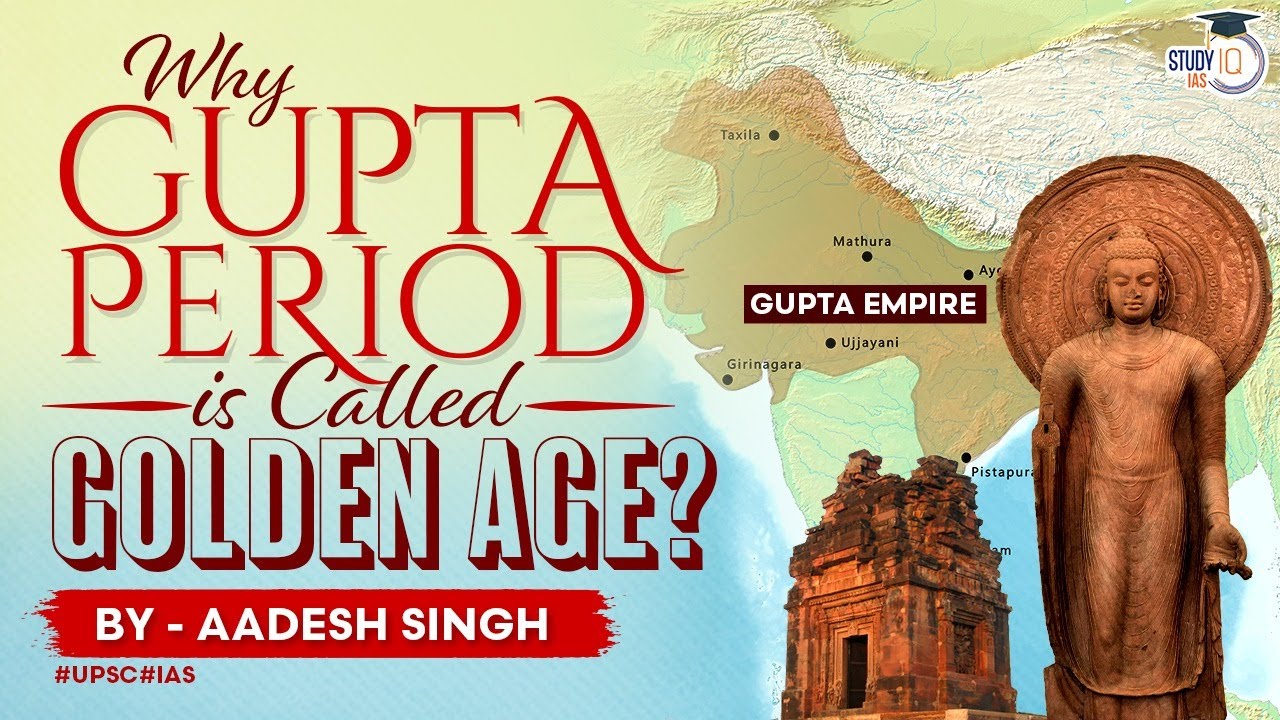
- The geographical reach of the empire at its height illustrates the power and dominance achieved by the Gupta rulers.
Evolving Social Hierarchy: The Rise of Brahmana Supremacy and Caste Proliferation
The core of Gupta society underwent significant restructuring, particularly marked by the escalating power of the brahmanas and the absorption of new groups into the varna system.

Supremacy of Brahmanas and the Land Grant System in the Gupta Era
During the Gupta period, the social structure was distinctly influenced by the increasing supremacy of the brahmanas, solidifying their position through political and economic means.
- The brahmanas were beneficiaries of large-scale land grants, received not just from the Gupta rulers but also from the general populace, ensuring their sustained economic power.
- These grants were exceptionally significant as they often came with administrative rights and valuable tax exemptions, effectively establishing a novel and powerful class of brahmana landlords.
- Supported by the royal authority, these newly empowered landlords gained a dominant position, which often led to the exploitation of the peasantry who worked their lands.
Proliferation of Castes: Assimilation of Tribals and Foreigners
The Gupta period is crucial for understanding the dynamic expansion of the varna system, witnessing a significant proliferation of castes through the assimilation of various outside groups.
- The expansion of brahmanical culture into distant territories facilitated the integration of a substantial number of tribals into the existing social structure.
- Simultaneously, several groups of foreigners, notably the Hunas, were also assimilated into the brahmanical social structure, reflecting the political necessities of the time.
- A distinct hierarchy was established for these new entrants: the tribal and foreign heads were often granted the status of bbrakshatriyas, while the common or ordinary tribals were categorized into the status of shudras.
Status Improvement and Reclassification of Shudras in the Gupta Society
Despite the overall rigid structure, the social position of the shudras showed a moderate but notable improvement during the Gupta Empire, allowing them access to previously forbidden cultural and religious practices.
- For the first time, shudras were given the privilege to listen to the sacred epics and the puranas, indicating a slight relaxation of traditional restrictions.
- They were also permitted to carry out certain domestic rituals, a practice that had previously been strictly prohibited for their varna.
- A significant socio-economic reclassification was noted by the Chinese traveler Hsuan Tsang in the seventh century, who categorized shudras as agriculturists and vaishyas as traders, blurring old occupational lines.
The Emergence of Untouchables and the Chandalas in the Gupta Era
The Gupta era solidified a significant and unfortunate distinction in the social order by clearly separating shudras from the untouchables, marking a new low in social status.
- The untouchables, known as chandalas, were relegated to a position lower than the shudras and were severely marginalized from mainstream society.
- They were required to live strictly outside the village boundaries and were exclusively tasked with unclean jobs such as scavenging and butchery.
- The Chinese traveler Fa-Hien recorded their harsh societal segregation, noting that the chandalas had to strike a piece of wood when entering populated areas to alert others to their presence, preventing accidental ritual pollution.
Slavery in the Gupta Empire: Narada Dharmashastra and Types of Slaves
References to the institution of slavery are abundantly documented in the contemporary Dharmashastras (Law Books) of the Gupta period, providing a glimpse into this practice.
- The Dharmashastra compiled by Narada notably mentions fifteen distinct types of slaves, illustrating the complex nature of servitude in the society.
- Slaves were predominantly engaged as domestic servants, performing essential tasks such as cleaning and sweeping within households.
- The sources for acquiring slaves included individuals who were prisoners of war, those who became debt bondsmen due to economic hardship, or those born of a slave woman.
Declining Status of Women and the Emergence of the Sati System in the Gupta Period
The Gupta period saw a significant and unfortunate decline in the status of women, largely driven by their deepening economic and social dependence on men, although some rights were preserved.
Female Subordination, Property Rights, and Absence of Purdah in Gupta Society
The primary reason for the increased subordination of women during the Gupta period was their complete dependence on men for livelihood, restricting their autonomy.
- A major restriction was that women were not entitled to inherit property, cementing their reliance on male relatives for financial security.
- However, women did retain a full, undeniable right over their stridhana—the valuable presents received by the bride at the time of her marriage—providing a form of personal economic independence.
- Intrigingly, the free and often elaborate representation of female figures in Gupta art suggests that the severe purdah system (veil) was not prevalent within the general society.
Historical Evidence of Sati (Immolation of Widows) in the Gupta and Harsha Eras
Despite the cultural richness, the Gupta period provides the earliest concrete evidence of the sati system, where widows immolated themselves on their husband's funeral pyres.

Four Varnas During the Gupta Empire: Illustrating the rigid Social Structure and Hierarchy that defined individual roles. - The first epigraphic evidence of sati is found in an inscription dating back to AD 510 located at Eran in Madhya Pradesh, marking a grim historical milestone.
- Later, the text Harshacarita, written by Bana, records a tragic instance where the queen performs sati upon the demise of her husband, King Prabhakaravardhana.
- The severity of this custom is further highlighted by the fact that even Rajyashri, the sister of Harsha, was on the verge of performing sati before she was timely rescued by her brother.
Quick Revision Capsule: Gupta Social & Cultural Architecture
A structural summary outlining the specific social layers, their economic adjustments, and target indicators during the Gupta Rule:
| Social Group / Element | Dynamic Strategy & Economic Mechanism | Core Status Change & Target Metric |
|---|---|---|
| Brahmanas | Recipients of large land grants with heavy tax exemptions | Transformation into a wealthy class of rural landlords |
| Shudras | Gradual transition into recognized agricultural activities | Allowed to listen to Epics and Puranas for the first time |
| Chandalas | Forced segregation outside city limits, manual warning bells | Relegated to tasks below Shudras (scavenging and butchery) |
| Women | Denial of inheritance rights, preservation of bridal Stridhana | Increased male dependency alongside emergence of Sati (AD 510) |
| Trade Guilds | Regulated management of arterial mercantile trade routes | Sustained high imperial economic prosperity and wealth flows |
Summary
The Gupta Empire remains a cornerstone of Indian history, remembered for achieving the zenith of classical Indian culture while simultaneously establishing long-lasting social and economic norms. The rise of brahmana landlords, the proliferation of castes through assimilation, and the earliest evidence of sati at Eran in AD 510 are critical developments that defined this period. The flourishing of institutions like Nalanda and the works of Aryabhata make the Gupta era indispensable for students seeking a deep understanding of Ancient Indian Polity and Society.
Quick Revision Points
Essential parameters you must memorize for examination evaluation:
- (i) Land Grants: Awarded extensive fiscal and administrative powers directly to the priestly classes.
- (ii) Caste Proliferation: Driven by the smooth absorption of local tribals and outside invaders like the Hunas.
- (iii) Chandalas Status: Confirmed by Fa-Hien as a strictly marginalized and physically segregated group.
- (iv) Eran Inscription: Explicitly dates the first clear epigraphic proof of Sati to the year AD 510.
- Exam Tip: Pay special attention to the structural shifts between the Shudras and Chandalas. Civil service questions frequently test how occupational boundaries blurred for Shudras while structural barriers severely hardened against Chandalas during this classic phase.
Frequently Asked Questions (FAQ)
Q1: Why is the Gupta Period labeled the Golden Age despite its harsh social restrictions?
A1: While the social structure experienced hardening caste rules and declining rights for women, the "Golden Age" label traditionally honors its exceptional heights in Sanskrit literature, mathematics, sculpture, trade network expansion, and long-standing political stability.Q2: What exactly was Stridhana, and how did it affect a woman's position?
A2: Stridhana refers to the personal wealth, gifts, and ornaments given directly to a bride during her marriage ceremony. Because she could not legally inherit land or family property, Stridhana functioned as her solitary financial safety net.Q3: Who founded Nalanda University, and how was it supported?
A3: Nalanda University was established under the patronage of Kumaragupta I. It grew into an international seat of learning, maintained by revenue gathered from multiple villages assigned specifically to support its operations.