The cultural life and spiritual essence of the ancient Harappan people are locked within their material remnants. Because their writing remains an unsolved puzzle, historians look closely at tiny steatite seals, detailed terracotta figurines, and structured pottery layers to reconstruct their thoughts. These historical artifacts show us a deeply organized society that integrated ritualistic habits into daily commerce. From the bustling streets of Mohenjo-daro to the port structures of Lothal, their visual expressions reveal how they viewed their place in the universe. Understanding these elements gives us a clearer picture of the oldest urban matrix in South Asia and highlights the profound roots of its cultural continuity.
In this chapter, you will understand:
- The symbolic representations and animal iconography surrounding the Pashupati Seal.
- The methods of nature worship, including tree and animal reverence practiced by the Harappans.
- The artistic mastery behind Red ware, Black-on-red ware pottery, and stone sculptures.
- The ongoing challenges and contexts regarding the undeciphered Harappan script.
Why this topic matters: This area provides vital clues to the origins of structural belief systems in the Indian subcontinent and is a high-yield topic for ancient history examinations.
Core Idea: The spiritual and artistic identity of the Indus Valley Civilization (IVC) relies entirely on material archaeology due to an undeciphered script. Their visual mastery in terracotta, bronze, and stone displays an complex mix of administrative utility, natural reverence, and ritualistic depth.
Culture and Belief Systems of the Indus Valley
The religious framework and artistic output of the Harappan people are primarily interpreted through their unique seals, terracotta figurines, and the challenging puzzle of their undeciphered script. Without translated literature, these visual mediums serve as the sole voice of their ancient philosophy.
The Male Deity (Pashupati) and Religious Symbolism
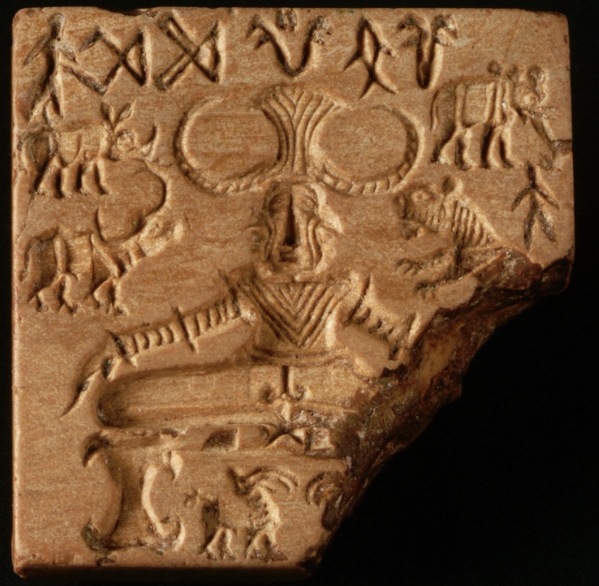
The spiritual beliefs of the IVC are often inferred from the iconic Pashupati Seal, which depicts a significant male figure associated with nature and possibly early forms of Lord Shiva.
Iconographic and Architectural Breakdowns of the Pashupati Artifact
Closer examination of this specific artifact reveals highly specialized ritual associations and social hierarchies inside the ancient settlement frameworks.
- Representation: The male deity, often compared by early archaeologists to the concept of a "Priest King" or "Shiva Pashupati," is typically shown in a seated, meditative posture.
- Iconography: This deity is famously depicted surrounded by four wild animals: an elephant, a tiger, a buffalo, and a rhinoceros, with two deer positioned beneath the seat, highlighting his close association with the animal kingdom.
- Interpretations: Scholars hypothesize that this figure symbolized concepts like fertility, ritual authority, and perhaps even political power within the Harappan society. The figure's specific attire includes multiple bangles and a distinctive headdress featuring two prominent horns.
Nature Worship and the Art of Figurines and Pottery
Beyond the primary male deity, the Harappans demonstrated a profound, systemic reverence for nature, and their artistic prowess is beautifully captured in numerous terracotta and stone artifacts.
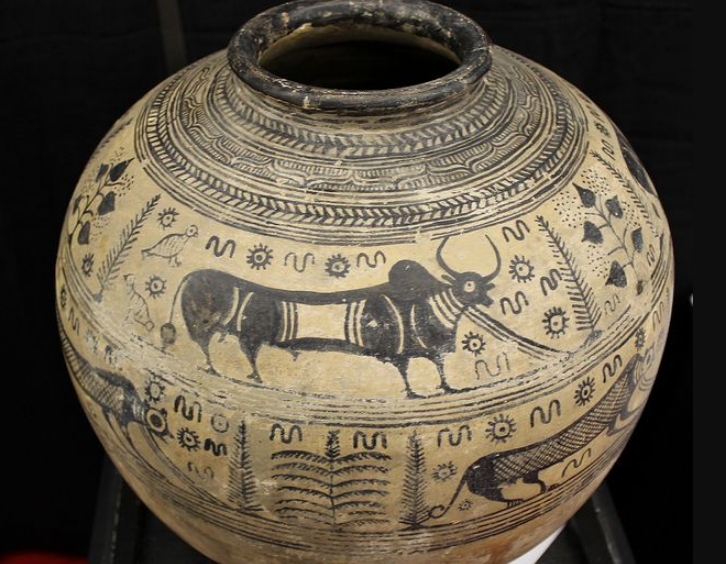
- Tree and Animal Worship: The presence of animals like the humped bull (closely linked to agricultural fertility) and the symbolic depiction of leaves and trees like the pipal (Ficus religiosa) and banyan (Ficus benghalensis) on seals suggest deep religious significance.
Artistic Materials and Ceramic Craftsmanship
The creative landscape shows an industry that excelled at turning raw stone, clay, and metallurgy into standardized items used by all segments of the population.
- Artistic Materials: The Harappans were absolute masters of different materials, employing terracotta, bronze, and stone for creating sculptures, demonstrating high artistic sophistication.
- Terracotta Insights:Terracotta figurines, known for their fine details, were widespread, depicting humans, animals, and mythical creatures, and were likely used for religious rituals, domestic decoration, or as toys for children.
- Pottery Craftsmanship:Harappan pottery displayed remarkable diversity, including standard Red ware and stylized Black-on-red ware, used for cooking, storage, and daily activities.
- Seal Significance:Harappan seals, mainly made of smooth steatite, featured intricate engravings of animals and human figures, serving administrative, commercial, and possibly religious roles.
The Enduring Mystery of the Harappan Script
A major challenge in fully comprehending the exact socioeconomic structures of the Indus Valley Civilization is the ancient Harappan script, which remains stubbornly undeciphered despite numerous scholarly attempts.
- Script Location: The script is found primarily on seals, copper tablets, pottery fragments, and other artifacts, suggesting its widespread use in official, administrative, and commercial contexts.
Decipherment Efforts and Linguistic Theories
Historians and cryptographers continue to analyze the signs, trying to determine if the symbols match an early language family or stand as independent emblems.
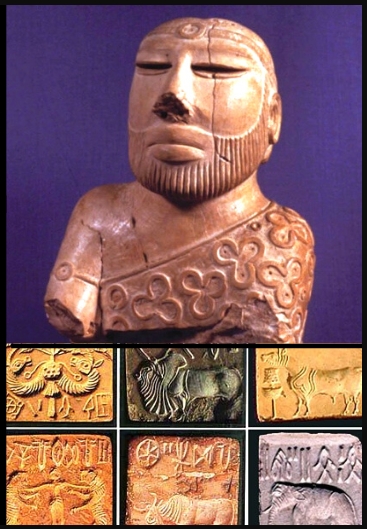
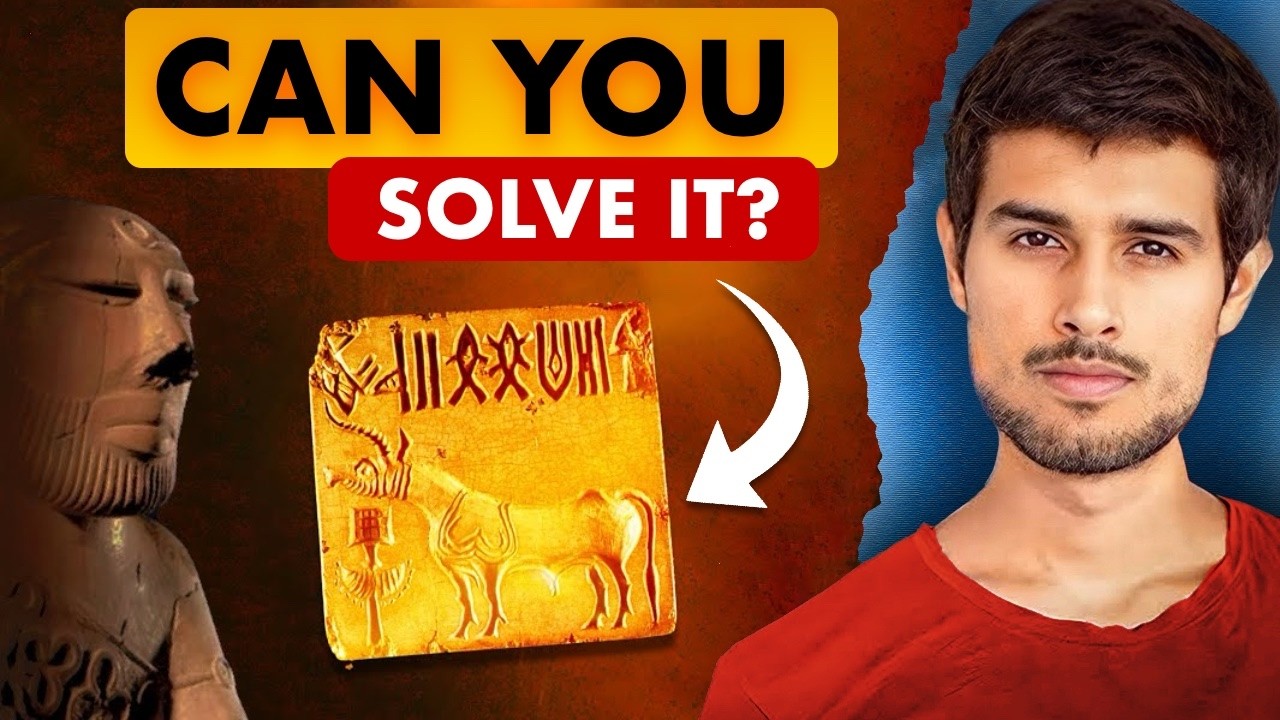
Image of Seals and Priest with Tri-Foil pattern at Harappan Civilization - Linguistic Hurdles: Despite various theories proposed regarding its linguistic affiliation and symbolic nature (often consisting of just a few signs per object), no universally accepted interpretation exists today, hindering full access to Harappan history.
Quick Revision Capsule
Review the essential core elements of Indus Valley Civilization culture, art mediums, and script findings below:
| Artifact / Practice | Primary Materials Used | Core Function & Interpretation |
|---|---|---|
| Pashupati Seal | Steatite stone | Depicts a horned male deity surrounded by four wild animals; indicates early spiritual symbolisms. |
| Terracotta Figurines | Baked baked clay | Widespread depictions of humans and animals; used for religious rituals, decoration, or toys. |
| Harappan Pottery | Red ware & Black-on-red ware | Utilitarian and ritualistic containers showcasing fine details and high wheel-turned craftsmanship. |
| Steatite Seals | Soft soapstone (steatite) | Engraved with animals and pictographs; served administrative, commercial, and identity roles. |
| Harappan Script | Inscribed on seals and tablets | Remains undeciphered; features short logo-syllabic inscriptions used across major trading centers. |
Summary
The artistic and spiritual framework of the Indus Valley Civilization shows an organized, nature-reverent, and highly skilled society. Through the iconic Pashupati Seal, thousands of wheel-turned Black-on-red ware pots, and dynamic terracotta figurines, they left a clear record of their daily lives. The primary barrier to uncovering their deepest cultural secrets remains the stubborn, undeciphered script found on trade seals. Until this writing system is fully solved, archaeological artifacts remain our best window into the beliefs of this ancient society.
Key Historical Revision Checkpoints
Keep these fast-track archaeological markers clear for your upcoming examinations:
- (i) The Pashupati deity is surrounded by an elephant, tiger, buffalo, and rhinoceros, plus two deer below the seat.
- (ii) Nature worship is proven by the frequent depiction of pipal trees and the iconic humped bull on seals.
- (iii) The script is predominantly boustrophedon (written from right to left and left to right in alternating lines) and strictly logo-syllabic.
- (iv) Major materials recovered showcase a mature understanding of terracotta modeling, bronze casting, and stone carving.
- Exam Tip: Always remember the specific list of animals on the Pashupati Seal. Questions frequently test for the presence of the elephant, tiger, buffalo, and rhinoceros, as well as the two deer underneath. Do not confuse them with modern domestic animals.
Frequently Asked Questions (FAQ)
Q1: Why is the Pashupati Seal considered so important to Indian history?
A1: It provides an important link to early spiritual iconographies, showcasing a horned male figure in a meditative pose that many scholars consider an early proto-form of Lord Shiva.Q2: What materials did the Indus Valley people use to create their famous sculptures?
A2: The Harappans were highly proficient in working with baked terracotta clay, cast bronze alloys, and carved stones like steatite and limestone.Q3: What makes the Harappan script so difficult for modern scholars to decipher?
A3: The script remains undeciphered because the inscriptions are very short, there is no known bilingual text (like the Rosetta Stone) to compare it to, and the underlying language family is still heavily debated.