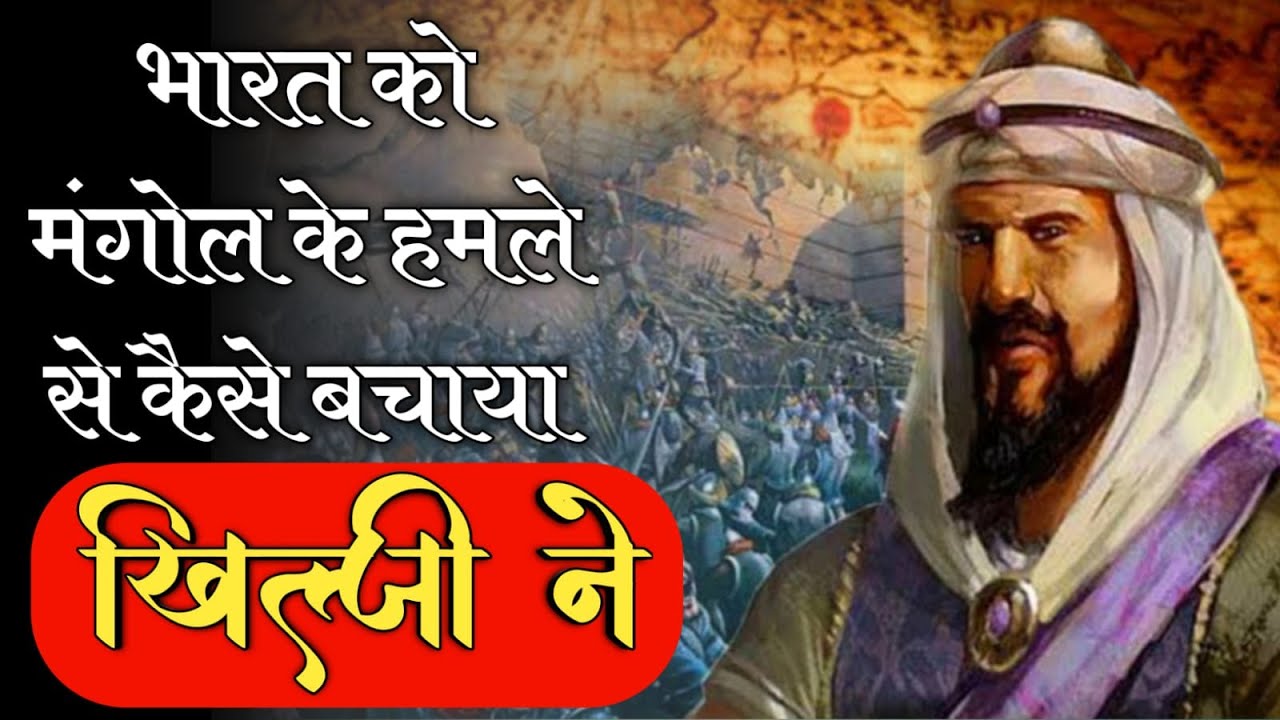
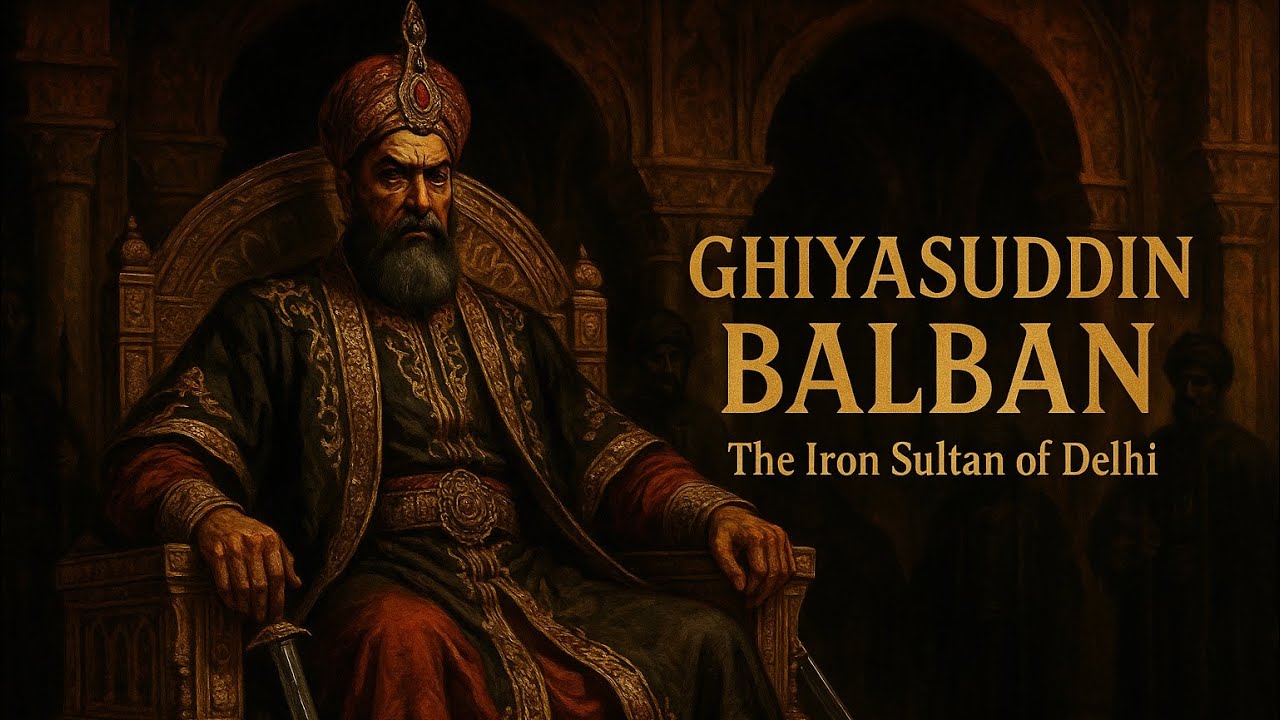
The reign of Balban () stands as a key milestone in the history of the Delhi Sultanate. It highlights the growth of a centralized system of ruling, a strong defense strategy, and crucial legal and administrative updates. His decisive steps, including a firm grip on royal power, securing the northwestern borders against frequent Mongol threats, and implementing administrative changes, make this timeframe vital study material for exam preparation on early medieval India.
🎯 In this chapter, you will understand:
- How Balban rose from a deputy role to solidify central monarchical authority.
- The court rituals and spy networks used to control the nobility.
- The frontier defense systems established to stop Mongol incursions.
- The long-term impact of the "Iron and Blood" approach on future Delhi Sultans.
💡 Why this topic matters: Balban's administrative and military blueprints restored royal prestige, saved the Sultanate from collapsing under external invasions, and laid the structural foundation for later expansion under the Khilji dynasty.
🧠 Core Idea: True stability in the early Delhi Sultanate required absolute monarchy, ruthless suppression of rebellious nobles, strict army discipline, and fortified border defense.
⚔️ Balban’s Transformative Ascension, Centralized Administration, and Robust Military Strategies in the Early Delhi Sultanate ()
Balban's tactical political moves enabled his rise to power and allowed him to firmly consolidate imperial authority across the fragile Sultanate.
Ghiyas-ud-din Balban first built up his power as the key court official serving as naib-i-mamlakat (deputy) to the young Sultan Nasiruddin Mahmud. When Mahmud died in , Balban took the throne. He instantly brought in dramatic ceremonial changes at court to raise the respect and power associated with the ruler.
Balban’s Early Career and Imperial Ascension ()
Balban's path was shaped by clear ambition and political skill. Starting as an enslaved person, he moved up through the ranks of the famous noble group known as Chihalgani (the Forty). He became the most influential leader in daily governance as the naib to Sultan Nasiruddin Mahmud, preparing the groundwork for his eventual step to the throne.
- (i) He served capably as the naib (Regent) for Sultan Nasiruddin Mahmud, gaining full mastery over state administration and court politics.
- (ii) Following Mahmud's death in , Balban formally took the throne in , bringing an end to the active rule of the Shamsi line.
- (iii) To elevate his standing and curb powerful nobles, he claimed that the Sultan was the Zil-i-Ilahi ("Shadow of God"). He introduced Persian customs such as sijda (prostration before the king) and paibos (kissing the king's feet), using these symbols to reinforce central authority.
Centralized Authority and Restoration of Monarchical Dignity ()
Balban's top priority after taking office was to bring back the honor and power of the Crown, which had been weakened by internal rivalry among the Forty Turks. Believing strongly in the Divine Right of Kings, he treated the royal post with immense seriousness and enforced strict rules in court.
- (i) He created the Barid-i-Mumalik, an organized department of trusted barids (spies) and an intelligence network to keep track of provincial governors and nobles, stopping rebellion before it could start.
- (ii) He introduced structured court practices, including the annual celebration of the Persian festival Nauroz, creating a sense of awe among the public and the nobility.
- (iii) His policies concentrated on building the absolute authority of the crown, breaking the power of the old Chihalgani, and keeping direct control over leaders across the empire.
Strategic Defense Against Persistent Mongol Invasions ()
The risk of Mongol attacks from the northwest was the biggest external challenge during his reign. Consequently, his military plans focused mainly on border defense to guard crucial frontier lines and protect heartland towns.
- (i) He strengthened the northwestern frontier by repairing old forts, constructing new ones, and posting experienced commanders and troops across border outposts (dahsala).
- (ii) Instead of launching costly distant campaigns, he used careful diplomatic talks and made pacts with local regional leaders to maintain helpful buffer zones.
- (iii) This measured defense strategy protected core areas of the Sultanate throughout his rule, though his eldest son, Prince Muhammad, lost his life during a fight with Mongol forces in .
Military Organization and Administrative Reforms for Efficiency
Balban recognized that an obedient army and an efficient administration were vital for state security. He implemented organized changes to clear out corruption and keep military units alert against threats.
- (a) Reforming the Ikta System: He organized provincial administration by dividing lands into regional units called ikta (land assignments). He appointed dependable muqtis or walis (governors) and rotated them periodically so no individual could build a private base of power.
- (b) Revamping the Judicial System: He updated the judicial system to ensure quick and fair trial decisions. He set a clear example by penalizing even senior officials for misrule or harsh behavior.
- (c) Military Discipline and Corruption Control: He increased discipline inside army ranks and reduced fraudulent claims linked to old military land grants, ensuring better central management over both troops and land.

🏰 The Lasting Legacy of Balban and the Enduring Mongol Challenge
Balban's tenure formed long-lasting precedents for strong governance, while his frontier defense layout shaped how later rulers dealt with foreign threats.
Balban’s Historical Impact and Precedents for Subsequent Sultans
His famous Iron and Blood Policy—a phrase describing his firm methods against rebels, local bandits (such as the Mewatis near Delhi), and disloyal nobles—brought order and safety to key routes. His focus on royal honor set strong examples for future kings.
- (i) His period brought meaningful stabilization and centralized administration to the Sultanate, helping the state recover from earlier instability.
- (ii) His views on royal authority and his military layout provided helpful models for later sultans, including Alauddin Khilji.
- (iii) By building central authority and protecting border lines, he helped the Sultanate withstand external pressure, shaping the future course of the medieval state.
The Persistent Mongol Threat and Strategic Defense Policy (13th-14th centuries)
Even after Balban's death, the ongoing Mongol threats originating from the Chagatai Khanate remained a significant challenge during the . His initial strategy served as a blueprint for later rulers who had to assemble larger defensive forces.
- (a) Continuous threats from the Chagatai Khanate across the and required Delhi rulers to maintain permanent, well-trained standing armies.
- (b) Defense efforts based on Balban's approach relied on well-placed fortifications, local alliances, and quick defensive deployments against incoming raids.
- (c) These security needs strengthened the military structure of the Delhi Sultanate and led directly to the administrative and army reforms under Alauddin Khilji.
⚡ Quick Revision Capsule: Key Policy Reforms of Balban
A concise overview of the central reforms, administrative structures, and defense measures introduced during Balban's reign ():
| Area of Reform | Key Measures Introduced | Primary Objective & Impact |
|---|---|---|
| Monarchical Authority | Proclaimed theory of divine kingship (Zil-i-Ilahi); introduced court rituals like sijda and paibos. | Elevated royal prestige and subdued the arrogant nobility. |
| Internal Security | Established the central spy network (Barid-i-Mumalik); dismantled the noble group Chihalgani. | Prevented conspiracies, internal rebellions, and provincial coups. |
| Provincial Governance | Structured the ikta system; regularly transferred provincial governors (muqtis). | Prevented local governors from building independent power bases. |
| Frontier Defense | Built fort chains along the northwest border; established military garrisons (dahsala). | Protected core Sultanate territories from Chagatai Khanate Mongol raids. |
| Law & Justice | Applied strict, impartial punishment; enforced the "Iron and Blood" policy against rebels and bandits. | Restored law and order, securing trade routes around Delhi. |
📝 Summary: Importance of Balban’s Reign for Delhi Sultanate and Student Examination Focus
Balban's reign () serves as a clear example of consolidation and recovery in the Delhi Sultanate. It shows how strong royal leadership, active army readiness, and organized court rules combined to stabilize the state. His core concepts—including the "Iron and Blood" policy, court dignity, intelligence networks, and frontier defense—are highly valuable topics for students studying medieval Indian history.
📝 Summary & Exam Review
During the period from to , Ghiyas-ud-din Balban rebuilt central government authority in medieval India. By controlling noble factions, securing vulnerable borders, and reorganizing judicial and military setups, he created a stable foundation that allowed the Delhi Sultanate to survive major regional and foreign challenges.
🚀 Quick Revision Points
Essential facts to review before examinations:
- (i) Serves as naib to Sultan Nasiruddin Mahmud before taking the throne in .
- (ii) Dissolved the powerful noble group known as the Chihalgani to end internal court rivalries.
- (iii) Introduced Persian court rituals (sijda, paibos, and festival of Nauroz) to project absolute royal power.
- (iv) Created a central intelligence department using reliable news writers called barids.
- 💡 Exam Tip: Focus on Balban's concept of kingship (Zil-i-Ilahi), the function of Barid-i-Mumalik, and how his northwest frontier fort network laid the groundwork for future Sultanate defense strategies.
❓ Frequently Asked Questions (FAQ)
Q1: What was Balban's "Iron and Blood" policy?
A1: It was his firm and ruthless approach to crushing internal rebellions, eliminating robbers/bandits near Delhi, and subduing defiant nobles to establish complete law and order.Q2: What were sijda and paibos?
A2: Sijda was the act of prostrating before the monarch, and paibos was kissing the monarch's feet. Both were Persian court customs introduced by Balban to emphasize royal superiority.Q3: How did Balban protect the Delhi Sultanate from Mongol invasions?
A3: He constructed and repaired forts along the northwest frontier, posted experienced soldiers in border posts (dahsala), and combined military readiness with strategic diplomatic negotiations.