The complex and changing period of the Middle Ages and Renaissance deeply influenced the connected histories of Europe, the Arab World, and Africa. This transformation happened through local land systems, deep study and learning, growing trade networks, and impressive cultural work. Learning about these key changes helps us see how government systems grew, how religion influenced daily life, and how early worldwide trade routes were built. This makes the topic very useful for students working on history tests and research projects.
🎯 In this chapter, you will understand:
- How political systems shifted from local land controls to larger central governments across regions.
- The role of religious centers and scholars in keeping ancient knowledge alive and building early universities.
- How trade routes across oceans and deserts connected distant societies through commerce and shared ideas.
- The major contributions of art, math, science, and oral history during the Middle Ages and Renaissance.
💡 Why this topic matters: It reveals how today's modern trade networks, scientific foundations, and political boundaries grew directly out of medieval global connections.
🧠 Core Idea: Medieval societies were not isolated; they actively exchanged goods, ideas, and technologies across Europe, Africa, and the Arab world.
Interconnected Medieval History: Global Transitions in Europe, the Arab World, and Africa (9th to 16th Century)
Learning how Europe, the Arab World, and Africa changed during the medieval years helps us see how their histories connected through politics, religion, global trade, and new ideas.
This historical guide looks at how Europe moved from local feudalism to the bright creative period of the Renaissance. At the same time, the strong Arab world became a main meeting spot for sharing knowledge, while powerful African kingdoms grew rich through busy trade routes and unique local cultures.
- (i) Localized political systems and feudalism became the main social and economic structure in early medieval Europe.
- (ii) The wide Arab world grew into a major global center that made great progress in science, universal learning, and long-distance trade.
- (iii) Important African kingdoms prospered by building strong inland and sea-based trade routes alongside rich cultural traditions.
Europe: From Feudal Political Systems to the Humanist Revival of the Renaissance
European history after the fall of the Western Roman Empire was marked by scattered political power, strong religious influence, and the eventual return of classical learning during the Renaissance period.

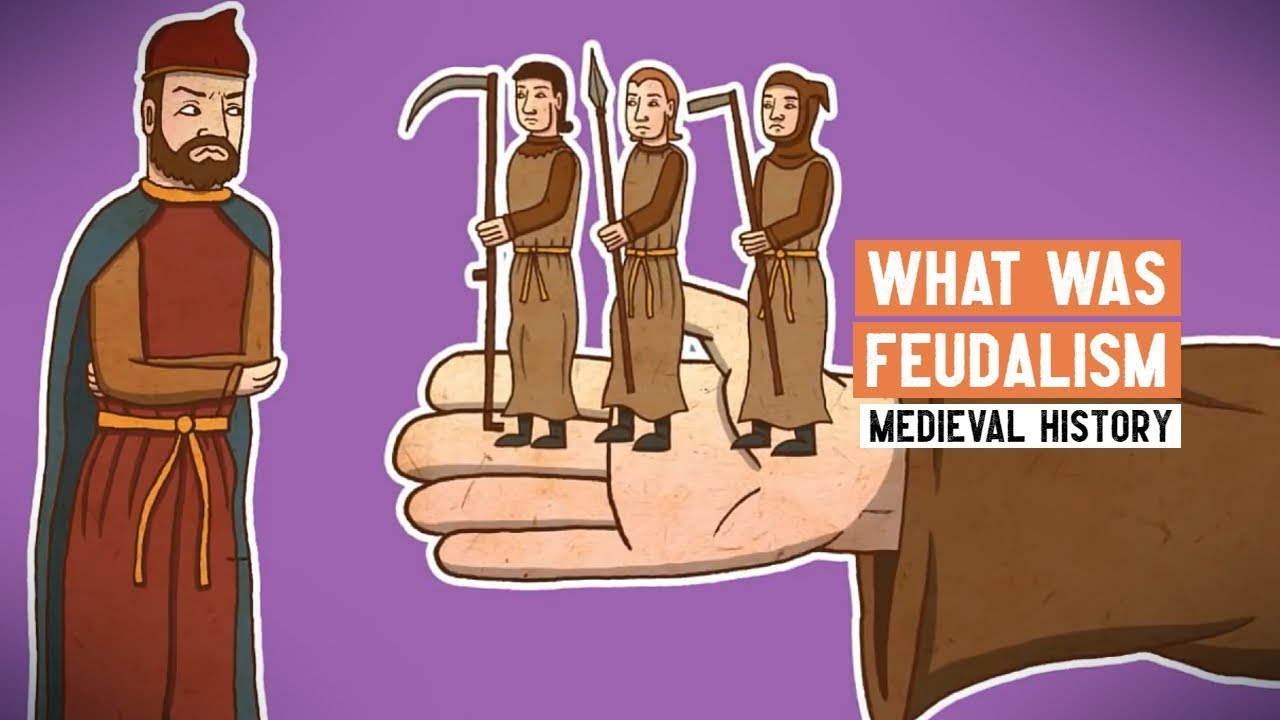
Feudalism: The Foundation of Medieval Political and Social Structure
When central Roman rule ended, European lands broke into smaller pieces. This forced people to create a decentralized system called feudalism to keep order and protect local areas.
- (i) The sudden collapse of the central Western Roman Empire created a power gap filled by local leaders and landholders, leading to scattered political control.
- (ii) The system of feudalism organized society through agreements based on land ownership and loyalty between local lords, protected vassals, and land grants called fiefs.
- (iii) Self-supporting estates called manors served as local centers for government and farm work, making up the basic engine of the economy.
The Dominant Role of the Medieval Church in Preserving Learning
Without a single central government, the Catholic Church grew into the most powerful unifying organization in Europe, guiding politics, schools, and everyday culture.
- (i) The Catholic Church used its strong moral standing to guide secular politics, set up schools, and shape public customs.
- (ii) Monasteries acted as safe houses for knowledge, carefully copying old handwritten books and encouraging careful study.
- (iii) Early universities started during this age, including famous schools in Oxford and Paris, which helped advance deep thinking and open debate.
The Renaissance: A Flourishing of Art and Humanist Ideals
Starting mainly in Italy, the Renaissance (which means "rebirth") brought a fresh wave of learning focused on ancient ideas and the growth of humanist ideals.
- (i) The Renaissance era brought back the study of old Greek and Roman classics along with practical, non-religious humanist ideas.
- (ii) Humanism was a way of thinking that valued human ability and personal achievement while encouraging people to read ancient Greek and Roman texts.
- (iii) Famous artists and thinkers like Leonardo da Vinci and Michelangelo created artwork that clearly showed these new Renaissance ideas.
The Arab World: A Golden Age of Intellectual and Commercial Exchange Under the Caliphates
The Arab World enjoyed a remarkable golden age supported by the growth of Islam, wide-reaching trade networks, and strong government support for learning and research under ruling caliphates.
Islamic Expansion and the Flourishing of Intellectual Centers
Early leaders helped build peaceful states that quickly grew into worldwide centers of study, gathering knowledge from many cultures in one place.
- (i) Early ruling caliphates helped spread Islam across broad regions, encouraging rich cultural exchange between different communities.
- (ii) The powerful Abbasid Caliphate built its main city in Baghdad, which grew into a top global learning hub that welcomed scholars from many lands.
- (iii) Helpful tools like the improved astrolabe were designed by scholars, improving sea navigation, mapmaking, and overall science.
Extensive Trade Networks and Profound Cultural Influence
Using smart travel tools and business methods, Arab traders guided much of the Indian Ocean trade, bringing wealth and busy life to growing cities.
- (a) Skilled Arab merchants managed busy routes across the Indian Ocean, moving valuable goods and practical ideas between Asia and Africa.
- (b) Major cities like Cairo, Damascus, and Baghdad grew into international markets for trade and centers for higher study.
- (c) The Arabic language spread widely across many lands, becoming the primary language for science, law, philosophy, and books.
Monumental Artistic, Scientific, and Mathematical Contributions
This active era created new methods in math and medicine alongside a special style of art and building design focused on detailed geometric patterns.
- (i) Unique Islamic art and architecture used detailed geometric shapes, repeating patterns, and graceful handwriting styles.
- (ii) Skilled scholars made lasting discoveries in medicine, space-watching astronomy, and basic math (such as algebra and Arabic numerals).
- (iii) Famous study spots like the House of Wisdom in Baghdad showed how leaders supported sharing knowledge, translating books, and working together.
Africa: Powerful Kingdoms, Continental Trade, and Unique Cultural Expression
During these centuries, the African continent developed powerful kingdoms, rich trade routes, and lasting cultural works that linked local communities to world trade.
Rich Civilizations and the Control of Global Trade Routes
African history during this time highlights kingdoms that managed valuable natural resources like gold and salt, helping them guide major desert and ocean trade routes.
Major Medieval African Trade Networks and Wealth Hubs - (i) Wealthy African civilizations built strength by managing crucial inland and coastal trade routes.
- (ii) Strong West African empires like Ghana, Mali, and Songhai led the rich trans-Saharan trade, moving gold, salt, and other valuable items.
- (iii) Lively Swahili city-states along the East African coast connected the continent to trade across the Indian Ocean with Arabia, Persia, and India.
- (iv) Inland places like Great Zimbabwe (known for its large stone walls) and port towns like Kilwa served as major trade hubs.
- (v) The famous city of Timbuktu in Mali and Songhai became a major world center for Islamic schools, big libraries, and busy markets.
Cultural Flourishing and the Preservation of History through Tradition
African states created impressive art and architecture while using deep oral storytelling traditions to pass down history accurately through generations.
- (i) Africa was home to rich traditions in art, building design, and literature, including long spoken stories.
- (ii) The famous journey of Mansa Musa (ruler of Mali) to Mecca in showed the world the incredible wealth of Africa, especially its rich gold supply.
- (iii) Traditional oral storytellers (known as Griots in West Africa) kept local history, family lines, and community wisdom alive without relying only on written texts.
⚡ Quick Revision Capsule: Medieval Global Connections
Use this summary table to compare key features of medieval societies across Europe, the Arab World, and Africa:
| Region | Key Governance & System | Major Accomplishments & Legacy |
|---|---|---|
| Europe | Decentralized feudalism and local manors | Monastic book preservation, early universities, and the humanist art of the Renaissance |
| Arab World | Centralized caliphates (such as the Abbasids) | Invention of algebra, improved astrolabe navigation, and the library at the House of Wisdom |
| West Africa | Powerful trading empires (Ghana, Mali, Songhai) | Control of gold and salt trade, global Islamic learning in Timbuktu, and Griot history |
| East Africa | Coastal Swahili city-states and stone hubs | Indian Ocean trade connections linking Africa to Arabia, Persia, and India |
📝 Summary
The connected stories of Europe, the Arab World, and Africa during the through the show how feudalism, shared faith, busy trade paths, and shared discoveries shaped our modern world. Understanding this age helps history students see the roots of modern governments, scientific methods, and global connections, as recorded in classical texts like the Epic of Sundiata and historical accounts of Mansa Musa's travels.
🚀 Quick Revision Points
Essential facts to review before examinations:
- (i) European feudalism organized society through land grants called fiefs given by lords to vassals.
- (ii) The Catholic Church preserved written learning in monasteries and founded Europe's first universities.
- (iii) The Abbasid center in Baghdad expanded research in math, science, and sea tools like the astrolabe.
- (iv) West African empires grew wealthy by guiding the trans-Saharan gold and salt trade, as described in records like Mansa Musa's Pilgrimage Accounts.
- 💡 Exam Tip: When answering essay questions, always connect economic developments (like trade routes) to cultural outcomes (like the spread of language, universities, and art).
❓ Frequently Asked Questions (FAQ)
Q1: What was the main purpose of feudalism in medieval Europe?
A1: Feudalism provided local protection and government after central Roman authority collapsed, organizing society through land agreements between lords and vassals.Q2: How did the Arab World contribute to modern science and math?
A2: Scholars in the Arab World developed algebra, popularized Arabic numerals, improved observational astronomy, and created tools like the astrolabe for sea travel.Q3: How was history preserved in medieval West Africa?
A3: While written records existed in centers like Timbuktu, much of West Africa's history was preserved through oral storytellers called Griots as well as historical documents like the Tarikh al-Sudan.