The decline of the Delhi Sultanate and the rise of independent provincial states during the late medieval period changed the history of North Indian politics. Starting from Timur's invasion in to the rise of the Lodi dynasty and strong states like Bengal, Orissa, and Assam, this era brought major military, administrative, and cultural shifts that are very important for students preparing for history exams.
🎯 In this chapter, you will understand:
- How Timur's invasion weakened Delhi and allowed provincial kingdoms to break free.
- The growth of the Lodi dynasty and their long conflict with the Sharqi rulers of Jaunpur.
- The rise of independent Bengal, its trade links with China, and its conflicts with Assam and Orissa.
- The architectural, literary, and spiritual advancements under regional rulers across North and East India.
💡 Why this topic matters: Understanding how central power weakened and regional kingdoms flourished helps explain how India's political and cultural landscape formed before the Mughal Empire began.
🧠 Core Idea: When central power in Delhi collapsed, regional powers emerged in Bengal, Orissa, and Western India, developing their own administration, military strength, and rich local cultures.
Weakness of the Delhi Sultanate, Rise of Provincial Independence, and Complex Regional Politics (–)
The sudden weakening of central rule in Delhi triggered the rise of independent provinces and created a dynamic regional balance of power across northern India.
The loss of power in Delhi after Timur's invasion allowed local rulers to establish fully independent states. This reshaped political strategies and administrative styles across North and East India.
- (i) The harsh attack by Timur in hit the Tughlaq dynasty hard, dealing a massive blow to the Delhi Sultanate from which its central authority never fully recovered.
- (ii) Taking advantage of this collapse, main provinces like Bengal, Sindh, Multan, Gujarat, Malwa, Jaunpur, and the states of Rajputana quickly declared their complete independence from Delhi.
- (iii) This political split led to constant power shifts, especially between Gujarat, Malwa, and Mewar, as they fought for control over Western India.
Rise of the Lodi Dynasty and the Pivotal Conflict with Jaunpur (Sharqi Sultans)
The Lodi rulers, who were of Afghan background, built their power in Delhi's remaining areas and expanded outward, leading to a major struggle with the Sharqi Kings of Jaunpur.

Lodi Territorial Expansion and Intensified Regional Rivalries
Starting with ruler Bahlul Lodi, the Lodis focused on building military strength and using smart diplomacy to expand across Northern India.
- (i) The Lodis successfully conquered and took over the independent kingdom of Jaunpur by the late , making themselves the strongest power in the fertile Doab region.
- (ii) They pushed their influence into strategic areas like Rajasthan and Malwa, taking control of major trade routes and fortresses.
- (iii) These expansion efforts led to military conflicts with other strong powers, including the Sultanate of Gujarat and the kingdom of Mewar led by its Rajput kings.
Bengal's Independence and Inter-Regional Relations with Assam and Orissa
In Eastern India, independent Bengal built a strong state that focused on sea trade, local culture, and strategic relations with nearby kingdoms.
Bengal Autonomy, Delhi's Campaigns, and Cultural Revival
Bengal was geographically separate and economically wealthy. It defended its independence against Delhi while growing its economy and local heritage.
- (i) Bengal repeatedly won and maintained its independence from Delhi, proving the efficiency of its local army and government.
- (ii) Sultan Firuz Tughlaq of Delhi led large military campaigns to recapture Bengal, but his efforts failed to secure long-term control.
- (iii) Independent Bengal maintained complex political relations with its strong neighbors, Kamrup (Assam) to the east and Orissa to the southwest.
- (iv) Under the Ilyas Shah dynasty, Bengal saw a growth in sea trade and a revival of Buddhist traditions, boosting its wealth and international connections.
The Powerful Gajapati Dynasty and the Kingdom of Orissa
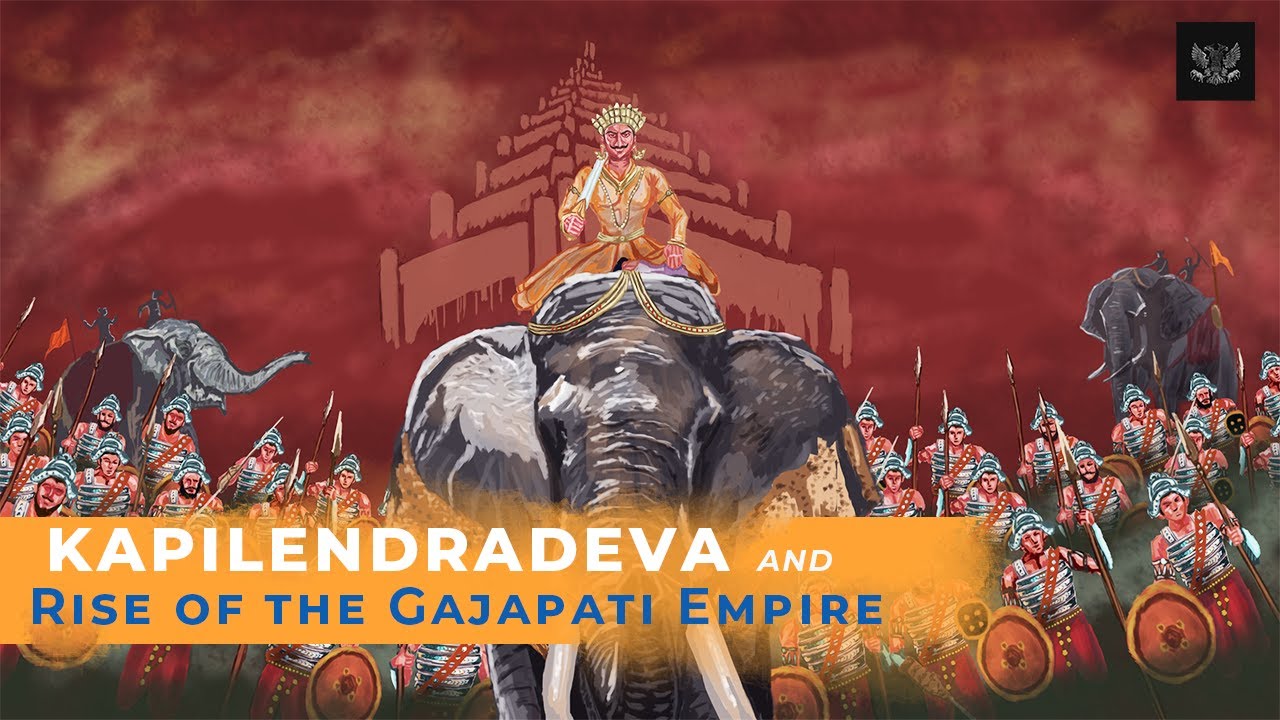
The Gajapati rulers of Orissa built a strong kingdom that acted as a military and cultural center in the eastern coastal region.
Magnificent Temples and Aggressive Territorial Expansion
The Gajapati kings used their wealth to fund iconic religious sites while building strong armies to expand southwards.
The architectural grandeur of Gajapati rule: Temple building traditions in medieval Orissa. - (i) Gajapati rulers are famous for constructing grand temples, such as the major religious sites in Puri and the Sun Temple in Konark.
- (ii) They expanded their territories south toward Karnataka, which brought them into conflict with the Vijayanagara Empire and the Bahmani Sultans.
- (iii) Their military strength helped them influence border regions between Bengal and Orissa, leading to frequent regional battles.
Revival of Diplomatic and Trade Relations between Bengal and China
Rulers of independent Bengal built strong diplomatic and commercial links with Imperial China, boosting Bengal's international standing and economy.
Formal Diplomatic Protocols and Flourishing Trade Exchanges
These international contacts helped ideas and luxury goods flow across the Indian Ocean and East Asia.
- (i) Bengal Sultans and Chinese Emperors exchanged official diplomats and ceremonial gifts, showing strong diplomatic ties.
- (ii) This connection increased maritime trade through key ports and allowed cultural sharing between South Asia and East Asia.
- (iii) The presence of Buddhism and related cultural customs received increased attention and support during this open trading period.
Progressive Administration under Alauddin Hussain Shah
Sultan Alauddin Hussain Shah is known for his fair governance, promotion of regional culture, and focus on religious harmony in Bengal.
Inclusive Administrative Reforms, Respect for Vaishnavism, and Cultural Growth
His reign brought stability, administrative balance, and support for local literature and faith movements.
- (i) He actively hired high-ranking Hindu officials into key government positions, creating a balanced and stable administration.
- (ii) The Sultan respected popular Vaishnavite saints like Chaitanya, helping the Bhakti movement spread peacefully across Bengal.
- (iii) His government improved law and order, increased administrative efficiency, and supported the cultural development of the Bengali language.
Military Conflict with the Kamta and Ahom Kingdoms
To keep its northeastern borders safe, Bengal fought several strategic wars against the kingdoms of Kamta and the Ahom rulers.
Military Engagements, Ahom Resistance, and Northeastern Frontier Strategy
These conflicts marked the borders of the Bengal Sultanate against tough local powers in the Brahmaputra region.
- (i) Bengal Sultans launched military campaigns to gain control over Kamta (Cooch Bihar) to protect routes heading into the Brahmaputra valley.
- (ii) These movements met strong Ahom resistance, while Ahom kings like Svarga Narayana adopted traditional Hindu customs and administrative ideas.
- (iii) These border battles helped secure Bengal's northeastern frontier and protected its territory.
Bengal's Successful Southern Campaigns and Maritime Control
Bengal sent troops south to secure valuable coastal land and control sea trade paths in the Bay of Bengal.
Key Conquests of Chittagong and Tipperah and Strategic Maritime Control
Holding these coastal hubs was essential for Bengal's navy and international trade revenue.
- (i) Important military victories gave Bengal control over strategic ports like Chittagong and Tipperah (Tripura), protecting its borders and sea access.
- (ii) Bengal's forces managed ongoing border challenges from Orissa and other southern regions.
- (iii) These conquests helped Bengal control primary sea routes across the Bay of Bengal.
Influence of Afghan and Rajput Dynasties in North Indian Politics
Apart from the major Sultanates, smaller Afghan and Rajput groups and their leaders influenced political deals and battle outcomes across North India.
Shifting Political Alliances and Key Military Contributions to the Regional Balance
Changing relationships among regional leaders were a primary feature of political life as Delhi's old power faded.
- (i) Bengal, Jaunpur, and the Sharqi sultans frequently shifted alliances to maintain a local balance of power.
- (ii) Strong Rajput leaders, like Man Singh in later periods, played key roles in local military and political decisions.
- (iii) These regional shifts set the political backdrop that eventually enabled the Mughal empire to establish control over India.
Enduring Legacy and Cultural Flourishing in the Provinces
The era of provincial independence created a rich cultural legacy, marked by regional writing, distinct building styles, and spiritual growth.
Contributions to Literature, Architectural Milestones, and Spiritual Synthesis
Without constant central control from Delhi, local arts, languages, and religions developed unique styles.
- (i) Rulers patronized early Bengali literature and regional music, helping local traditions grow.
- (ii) New architectural styles developed in capitals like Gour and Sonargaon, blending Sultanate building patterns with local artistic features.
- (iii) Sufi teachers and Bhakti saints spread their messages widely, encouraging cultural synthesis and community harmony.
⚡ Quick Revision Capsule: Key Independent Regional States (–)
Here is a concise overview of the major independent powers that emerged as Delhi weakened:
| Region / Dynasty | Key Rulers & Personalities | Major Historical Contributions |
|---|---|---|
| Lodi Dynasty (Delhi) | Bahlul Lodi, Sikandar Lodi | Conquered Jaunpur, consolidated central Doab region, pushed into Rajasthan borderlands. |
| Bengal Sultanate | Ilyas Shah, Alauddin Hussain Shah | Fostered overseas trade with China, supported Bengali literature, appointed Hindu officers, maintained independence against Delhi. |
| Gajapati Dynasty (Orissa) | Kapilendra Deva, Purushottama Deva | Built monumental temples at Puri and Konark, resisted Bahmani and Vijayanagara expansion. |
| Sharqi Kingdom (Jaunpur) | Sharqi Sultans | Developed a major center of Islamic learning and distinct architecture before being absorbed by the Lodis. |
| Ahom & Kamta Kingdoms | Svarga Narayana | Successfully resisted Bengal expansion into the Brahmaputra valley while undergoing gradual Hinduization. |
📝 Summary
The weakening of the Delhi Sultanate after Timur's invasion in opened the way for strong regional states in Bengal, Orissa, and Assam. Rulers like the Lodis in Delhi, the Ilyas Shahi and Hussain Shahi kings in Bengal, and the Gajapatis in Orissa built powerful armies and patronized local culture. From maritime trade with China to temple architecture and the Bhakti movement led by saints like Chaitanya, this era established vibrant regional identities that shaped Indian history before Mughal rule.
🚀 Quick Revision Points
Essential facts to review before examinations:
- (i) Timur's invasion in ruined the Tughlaq central authority and led to provincial independence.
- (ii) The Lodis defeated the Sharqi Kings of Jaunpur to take control of the central river plains.
- (iii) Bengal Sultan Alauddin Hussain Shah promoted harmony by employing Hindu officials and supporting saint Chaitanya.
- (iv) Orissa's Gajapati rulers built world-famous temples at Puri and Konark while fighting Vijayanagara and the Bahmanis.
- 💡 Exam Tip: Questions on this era often focus on the reasons for Delhi's decline, the diplomatic/trade links between medieval Bengal and China, and the cultural patronage of Alauddin Hussain Shah.
❓ Frequently Asked Questions (FAQ)
Q1: What event caused the final breakdown of Delhi Sultanate's central control in ?
A1: The destructive invasion by Timur in weakened the Tughlaq dynasty and led to provinces declaring their complete independence.Q2: How did Sultan Alauddin Hussain Shah foster administrative stability in Bengal?
A2: He hired Hindu officials into top administrative positions and supported the peaceful growth of the Bhakti movement under saint Chaitanya.Q3: Which major architectural monuments were built by Orissa's Gajapati rulers?
A3: The Gajapati kings patronized world-renowned temple sites, including the famous temples in Puri and the Sun Temple at Konark.