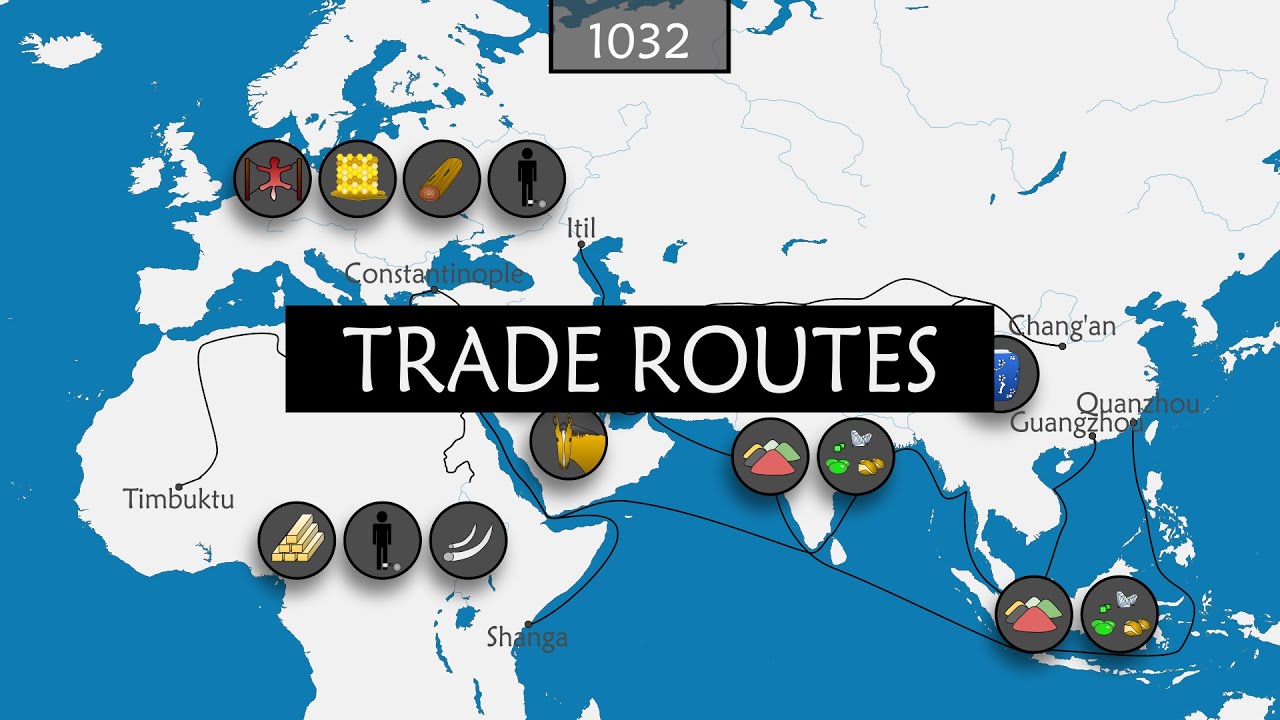
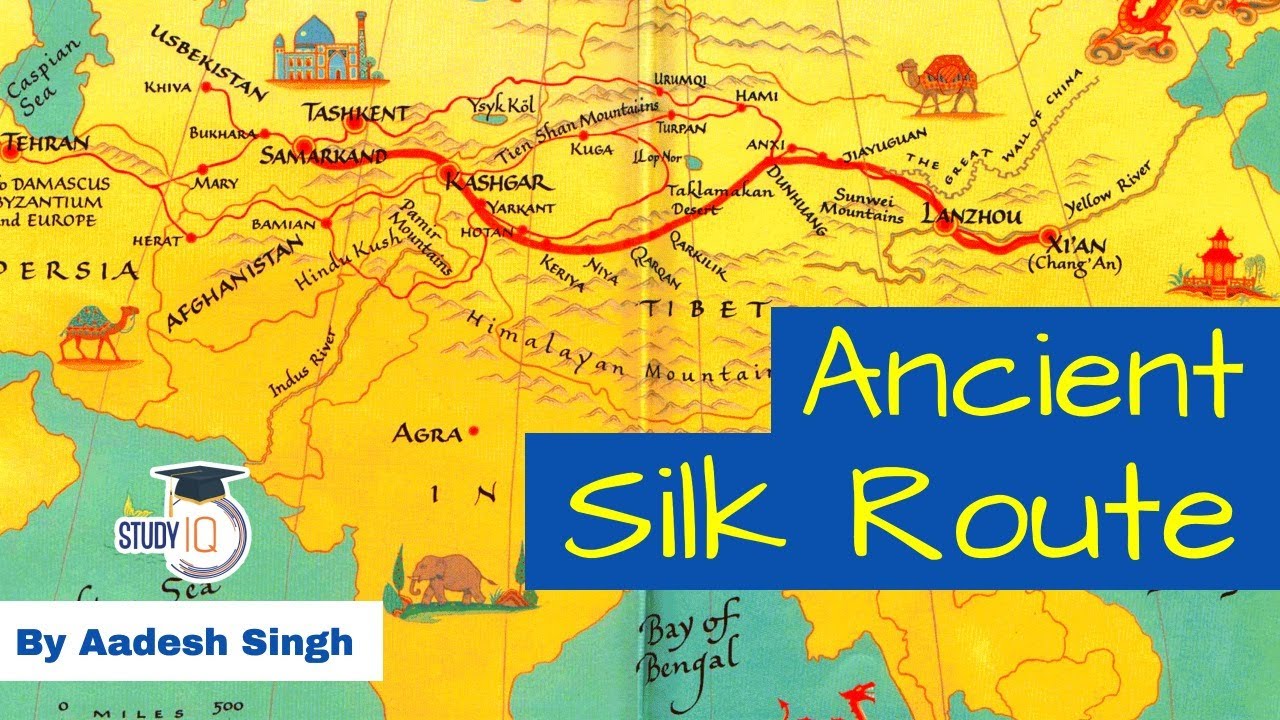
The Ports and Trade in Mughal India played a crucial role in connecting the subcontinent with flourishing economies across West Asia, Southeast Asia, and Europe during the and . The massive influx of gold, silver, and luxury goods, propelled by extensive textiles, rice, and sugar exports, firmly established India as the manufactory of Asia. Understanding this pivotal topic is highly important for students and aspirants preparing for competitive exams, as it comprehensively details the profound economic and social transformations of this era, marking the beginning of intense international competition for Indian resources.
🎯 In this chapter, you will understand:
- How Mughal ports linked India to global trade networks across Asia and Europe.
- The arrival and rivalry of European powers including the Portuguese, Dutch, English, and French.
- How local Indian merchants successfully competed against European trading companies.
- The long-term economic effects of precious metal imports, inflation, and social changes.
💡 Why this topic matters: It highlights how India dominated early modern global commerce through manufacturing strength and key sea trade routes.
🧠 Core Idea: High demand for Indian goods created a strong trade surplus, attracting European entities that slowly transformed from merchant traders into colonial rulers.
⚓ Ports and Trade in Mughal India: International Network, European Competition, and Profound Economic Impact ()
During the Mughal era, India transformed into a central powerhouse of commerce, characterized by thriving ports, prosperous towns, and deeply entrenched international trade networks that spanned continents.
This sophisticated trade system was essential for supplying agricultural products, high-quality textiles, and raw materials across vast stretches of Asia, maintaining a consistently favorable balance of trade for India, which was sustained by significant imports of precious metals.
- (i) The core of India’s export economy included essential commodities like sugar and rice, alongside world-renowned textiles, which were funnelled into the markets of Southeast Asia and West Asia.
- (ii) Owing to its massive and specialized production capabilities, India earned the esteemed title of the manufactory of Asia, successfully maintaining a dominant position despite strong regional competitors such as Egypt and the sprawling Ottoman Turkey empire.
- (iii) Imports were primarily strategic or luxury items, encompassing vital metals, coveted spices, expensive war horses, and various luxury items, which were predominantly paid for by a substantial, continuous inflow of gold and silver bullion.
⛵ Advent of Europeans in India: Entry and Intensified Competition for Lucrative Trade Routes
The strategic arrival of several powerful European nations on the Indian coastline fundamentally reshaped long-established Indian trade patterns, injecting a potent element of rivalry through the presence of the Portuguese, Dutch, English, and French trading powers.

The Initial Portuguese Dominance and the Ascendancy of Dutch Power
The story of European involvement began with the Portuguese, who were the pioneers of the sea route, but their command over Asian waters soon waned, paving the way for the geographically strategic and economically ambitious Dutch.
- (i) The Portuguese established their presence in Indian Ocean trade during the late , utilizing their superior naval power to initially dominate key maritime trade routes and strategic coastal ports.
- (ii) However, their decisive decline commenced by the , as the aggressive Dutch forces strategically secured control over the vital trading hub of Masulipatam and, crucially, the lucrative Spice Islands (modern Indonesia) by .
- (iii) Following these key acquisitions, the economic and naval power of the Dutch steadily and significantly expanded, allowing them to consolidate their influence across much of Asia's burgeoning maritime trade.
The Strategic English and Later French Arrivals in Mughal Ports
The arrival of the English marked a critical turning point, leveraging naval victory and diplomatic favors to secure their place, soon followed by the French, dramatically intensifying the competition for the rich resources of Mughal India.
- (a) The powerful English East India Company successfully established its very first official factory (trading post) at Surat in , immediately after decisively defeating a formidable Portuguese fleet in a crucial naval engagement.
- (b) This critical establishment was subsequently legitimized and confirmed by a powerful imperial farman (royal decree) granted by the Mughal Emperor Jahangir in , providing the English with official trading rights.
- (c) The French trading entity arrived later, further fragmenting the European presence and significantly increasing the overall competition for access to and control over the immense volume of Indian trade.
💼 European Trading Companies: Strategies, Adaptation, and Competition from Indian Merchants
Despite wielding control over crucial sea lanes, European companies encountered stiff, highly organized resistance and competition from well-established, indigenous Indian traders, necessitating the adoption of pragmatic, adaptive operational methods for their commercial survival and success.
Inherent Competitive Advantages Held by Indian Traders
Local merchants possessed deep knowledge and operating efficiencies that made them highly competitive, often outperforming larger, more bureaucratic European companies in terms of cost and market fluency.
- (i) Indian traders possessed superior, detailed, and generational knowledge of both local subcontinent markets and complex trade dynamics across Asia.
- (ii) They operated with much lower overhead costs and kept slim profit margins, giving them a distinct financial edge over heavily funded European rivals.
- (iii) Crucially, they built deep, reliable ties with domestic supply networks and Asian trade channels, ensuring a stable supply of goods.
European Adaptation Strategies: Freightage and Operational Cost Reduction
In response to formidable local competition, major European companies adjusted their business models, turning to cost-saving measures and selective collaboration to secure their financial footing.
- (a) To lower high operational costs and share shipping risks, European trading companies began carrying or freighting Indian merchants’ goods on their ships for a fee.
- (b) This collaborative strategy reduced financial and transport risks across Asia while strengthening their position in the broader commercial system.
- (c) Despite these changes, European powers found it impossible to gain complete control or a monopoly over the deeply rooted networks of Indian traders.
📦 English and Dutch Ventures: Expanding Trade Networks focused on Textile and Commodity Exports
Following their establishment, both the English and Dutch systematically expanded their commercial reach across the subcontinent, focusing their procurement on high-value commodities such as textiles, indigo dye, raw silk, and saltpetre.
English Trade Expansion: New Factories and Growing Regional Importance
The English Company’s commercial growth was marked by opening new trading posts that tapped into eastern India's rich resources, greatly boosting export volumes.
- (i) New factories (trading posts) were opened at strategic locations, notably Hoogly and Balasore in Orissa (modern Odisha).
- (ii) Their main exports grew to include large amounts of raw silk, processed sugar, and fine textiles for European and Asian markets.
- (iii) By the late , export volumes from Bengal and Orissa grew so large that they rivaled the famous trade from the Coromandel coast in the south.
Dutch Strategic Focus on Spices and Textiles, and Subsequent English Ascendancy
While the Dutch maintained a strong focus on the profitable spice trade, they also used Indian textiles as a bargaining tool across Asia. However, their rivalry with the English eventually saw them lose their top position.
- (a) The Dutch invested heavily in spices, using Indian textiles to buy them, while also selling textiles directly in European markets.
- (b) This dual focus led to an intense rivalry with the English across major Indian ports and Asian trade routes.
- (c) Despite initial Dutch strength, the English Company built wider networks and leveraged financial resources to eventually become the leading foreign trading power in India.
🏛️ Economic and Social Transformation in Mughal India: Foreign Trade Impact
The rapid growth of Mughal India’s foreign trade brought broad changes that reshaped both its financial system and social structure, setting the stage for future European colonization.
Economic Impact of Trade: Bullion Influx and Rising Monetization
The continuous flow of precious metals into India provided financial stimulus, increasing liquidity and pushing the economy toward widespread money-based transactions.
- (i) The steady inflow of gold and silver coin and bullion brought fresh capital that strengthened the foundation of the Indian economy.
- (ii) Busy trade channels tied India and its production systems directly to consumer demand and economic cycles in European markets.
- (iii) The rise of a cash-driven economy began to weaken old, barter-based social and economic traditions in rural farming areas.
Social Impact of Trade: Price Inflation and Shifting Social Values
Rapid economic activity brought complex societal shifts, including rising costs and changing attitudes among the ruling class.
- (a) A steady price rise during the caused financial stress, particularly impacting the traditional balance of village life.
- (b) Seeing the vast fortunes made through commerce, Mughal nobles became increasingly focused on personal profit and wealth accumulation when managing their estates.
- (c) Persistent attempts by European powers to secure a complete trade monopoly over Indian goods later turned into territorial ambitions, paving the path to conquest and colonial rule.
⚡ Quick Revision Capsule: Key European Powers in Mughal Trade
A quick comparison of European trading entities, their primary centers, key exports, and timelines during the Mughal era.
| Trading Power | Key Centers & Ports | Major Goods & Focus |
|---|---|---|
| Portuguese | Goa, Coastal Outposts | Initial maritime route control, coastal trade () |
| Dutch | Masulipatam, Spice Islands | Spices, textiles exchange ( onwards) |
| English | Surat (), Hoogly, Balasore | Textiles, raw silk, sugar, indigo |
| French | Pondicherry, Surat | Late entry, competition for Indian trade volume |
| Indian Merchants | Pan-Asian ports and inland trade | Dominated domestic supply chains and Asian distribution |
📝 Summary
The active ports and trade networks of Mughal India served as vital bridges connecting the subcontinent with Asia and Europe. The and marked a major transformation driven by the arrival of European trading companies. Although local Indian traders held deep market knowledge and maintained a competitive edge, gradual European expansion in textile and spice exports laid the groundwork for future colonial dominance. Understanding these trade dynamics helps students grasp how economic shifts led to the eventual weakening of Mughal prosperity and the rise of European power in India.
🚀 Quick Revision Points
Essential facts to review before examinations:
- (i) India was known as the manufactory of Asia due to large-scale exports of textiles, sugar, and rice.
- (ii) The English Company established its first factory at Surat in and received an imperial farman from Emperor Jahangir in .
- (iii) Indian merchants retained strong market advantages due to lower operating expenses and deep distribution links.
- (iv) Inflows of gold and silver expanded the cash economy, though price rises created financial instability.
- 💡 Exam Tip: Remember key dates and terms like the Surat factory (), Jahangir's royal decree (farman in ), and the Dutch takeover of Masulipatam () for objective questions.
❓ Frequently Asked Questions (FAQ)
Q1: Why was Mughal India referred to as the "manufactory of Asia"?
A1: India held vast manufacturing capacity, exporting textiles, sugar, and rice across West and Southeast Asia while importing precious metals in return.Q2: How did local Indian merchants compete with European trading companies?
A2: Indian traders had deep local knowledge, lower overhead costs, slim profit margins, and strong ties across Asian trade networks.Q3: What role did precious metals play in the Mughal economy?
A3: European traders paid for Indian goods using gold and silver bullion, which increased money supply, boosted cash transactions, but also contributed to price inflation.