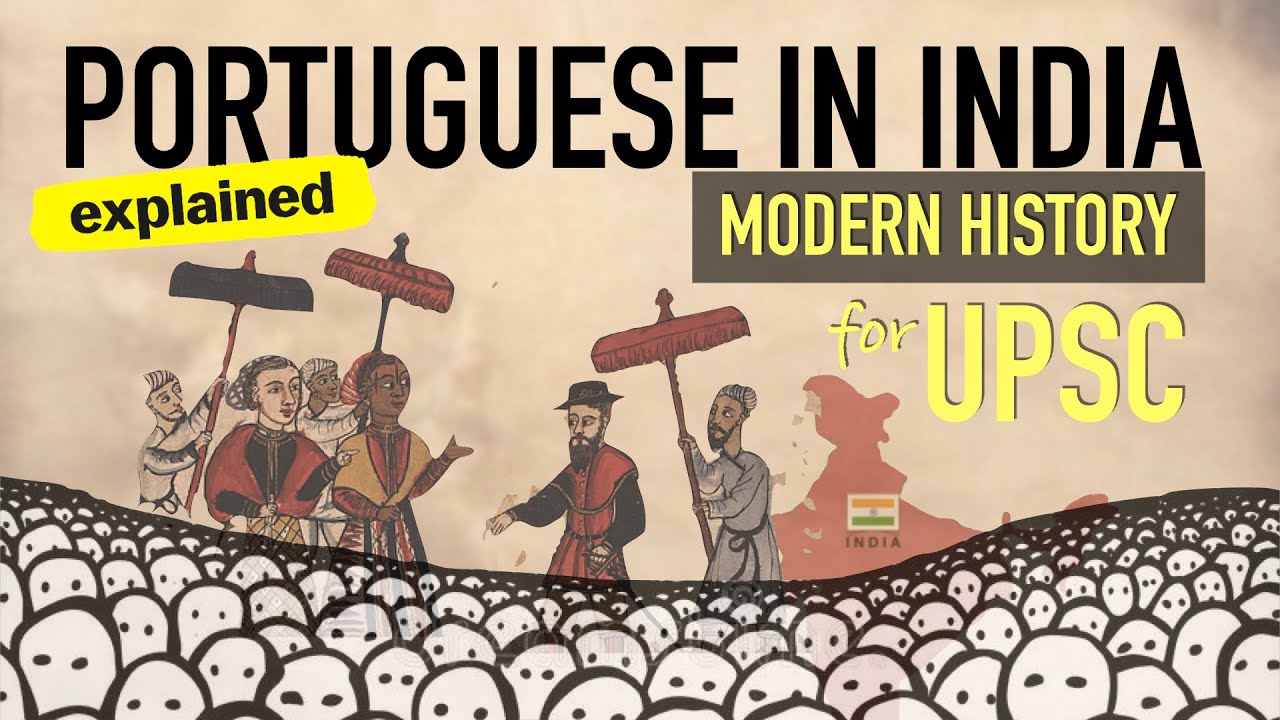
The arrival of the Portuguese in India in the late marked the start of European colonial expansion across Asia. This event changed India's old trade routes, brought deep cultural exchanges, and altered the political situation across the subcontinent. When Vasco da Gama reached India in , he opened the first direct sea route between Europe and India. This achievement created global trade networks and led to the setup of Portuguese Goa. Understanding this milestone is essential for students preparing for exams, as it stands as the starting point of India's colonial history and reshaped global geopolitical dynamics.
🎯 In this chapter, you will understand:
- How the Portuguese opened sea routes and established control in the Indian Ocean.
- The journey of Vasco da Gama to Calicut in and its economic impacts.
- Key reasons driving the Age of Exploration, including technological, political, and financial factors.
- The lasting historical legacy of Portuguese colonial entry on Indian trade and society.
💡 Why this topic matters: It marks the first time a European power established direct sea-based control in Asia, setting off a chain reaction that brought other European powers to India.
🧠 Core Idea: Bypassing traditional land intermediaries allowed Portugal to control high-value sea routes and kickstart centuries of European involvement in Asian trade.
📌 The Arrival of the Portuguese in India: The Dawn of European Influence (1498)
The arrival of the Portuguese shifted the global balance of power by bringing direct European control over the Indian Ocean trade, setting the stage for future colonial expansion.
Starting in , this historical period changed the cultural, economic, and political landscape of India, leaving behind a lasting legacy of European imperial expansion over the following centuries.
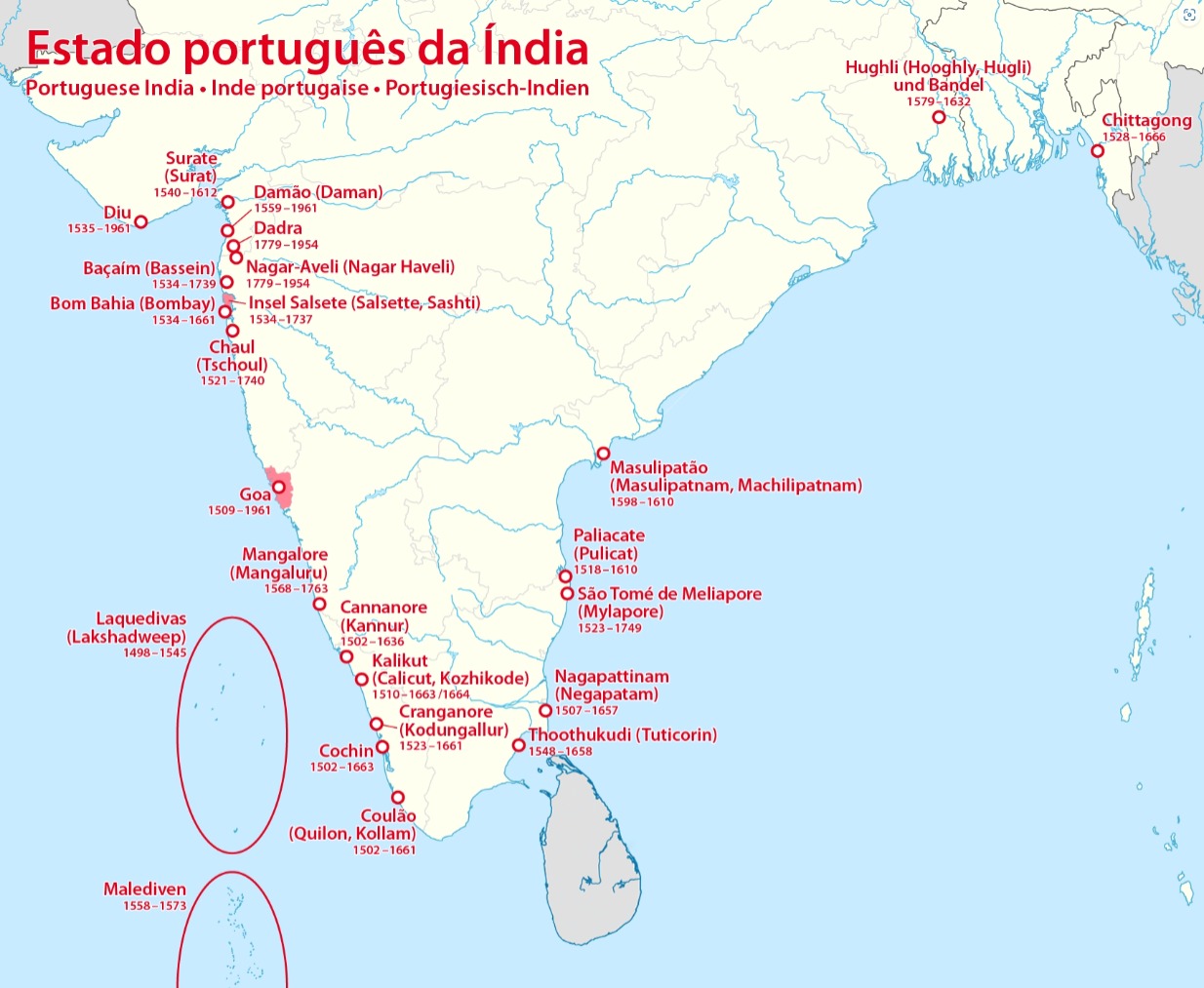
- (i) The military capture of places like Goa in gave Portugal a permanent base for its rule, establishing the first major European stronghold in Asia.
- (ii) By holding key sea passages, they took control of vital maritime routes. This led to a large expansion in global trade, especially in valuable Asian spices.
- (iii) Portuguese wealth and success inspired other European nations, such as the English, Dutch, and French, to start their own trade and colonial efforts in Asia.
📌 Vasco da Gama's Arrival in Calicut (1498) and Its Global Impact
Finding a direct, dependable sea route by the explorer Vasco da Gama was a major turning point in world history. It removed the reliance on long, costly overland paths and created new chances for trade and exploration.
The Significance of Vasco da Gama's Voyage to India
Reaching Calicut on the Malabar Coast created a direct link that laid the groundwork for centuries of European trade dominance in Asia.
- (i) He created the first direct, European-controlledEurope–India sea route, bypassing Middle Eastern and Italian traders who previously managed the trade.
- (ii) This breakthrough unlocked huge financial opportunities in the spice trade (including pepper, cloves, and cinnamon), generating great wealth for the Portuguese monarchy and merchants.
- (iii) This success started a wave of European exploration and colonial projects during the Age of Exploration, shaping global maritime power.
Portuguese Motivations: Economic, Strategic, and Religious Goals
The efforts of Portuguese sailors were supported by the crown and driven by a mix of economic ambitions, strategic planning, and a desire to spread their faith globally.
- (a) The main goal was acquiring precious spices and building wealth by gaining direct access to Asian resources, removing the need for Venetian and Arab trading intermediaries.
- (b) There was also a strong push to spread Christianity, which they viewed as an important mission alongside commercial expansion in the East.
- (c) A primary strategic objective was securing key maritime passways and setting up naval bases across the Indian Ocean to guard their trade network and cargo.
📌 The Push for New Maritime Trade Routes During the Age of Exploration
The effort to find new trade routes to India during the and acted as a catalyst that transformed global commerce and sparked European expansion overseas.
Geographical Reasons for Seeking Direct Sea Routes
Geopolitical conditions during this era pushed European merchants to search for safer, direct ocean alternatives to reach Eastern markets.
- (i) Risky Land Routes: Traditional land paths, like the Silk Roads, faced disruptions from Arab raids, high transit fees, and political conflicts across the Middle East.
- (ii) Safer Ocean Routes: Ocean routes offered a more reliable way to move large quantities of goods over long distances while avoiding unstable land regions.
Technological Advancements Enabling Ocean Travel
Inventions in shipbuilding and navigation tools made long ocean voyages possible, safer, and practical for the first time.
- (a) Improved Navigation Tools: Devices like the magnetic compass for direction and the astrolabe for finding latitude helped sailors navigate open seas with far better accuracy.
- (b) Gunpowder and Naval Strength: Mounting cannons on ships provided defense against rivals and allowed nations to protect their trade ships across distant waters.
Political Developments Fueling European Competition
Major shifts in European and Asian politics created the environment that fueled intense competition between rising powers like Spain and Portugal.
- (i) Mediterranean Trade Control: Italian cities like Venice and Genoa controlled traditional Mediterranean routes, prompting Western European nations to look for their own paths to the East.
- (ii) Ottoman Control: The expansion of the Ottoman Empire over major land routes restricted European access to Eastern goods, driving up costs and creating economic pressure.
- (iii) Rise of Centralized States: Stronger centralized governments in nations like Spain and Portugal provided the financial backing needed to fund long, costly sea expeditions.
Economic Motivations: High Demand for Spices and Profit Growth
Growing trade within Europe and a rising demand for exotic goods encouraged merchants to seek direct commercial connections with Asia.
- (a) Economic growth during the Renaissance led to higher demand for luxury items, including Asian textiles and spices.
- (b) The strong demand for spices—used for preserving food, preparing medicine, and showing social standing—served as a primary reason for traveling to Asia.
- (c) The focus was on increasing profit by trading directly, avoiding the heavy taxes, tolls, and price markups imposed by middlemen along older trade routes.
Psychological and Religious Drivers
Alongside commercial interests, the drive to explore was shaped by cultural curiosity and a desire to spread religious faith around the world.
- (i) The curious mindset of the Renaissance encouraged geographical learning, exploration, and personal achievement.
- (ii) Popular mercantilist ideas placed great importance on building national wealth through trade, giving nations a clear reason to expand overseas.
- (iii) Religious goals included spreading Christianity and finding allies (such as the legendary Prester John) to balance the influence of Islam and the Ottoman Empire.
⚡ Quick Revision Capsule: Portuguese Entry into India
A quick summary of key facts, dates, and drivers regarding the arrival of the Portuguese in India:
| Category | Key Details | Historical Impact |
|---|---|---|
| First Arrival | Vasco da Gama landed at Calicut in . | Opened a direct maritime route between Europe and Asia. |
| Key Base | Captured Goa in . | Established a permanent European headquarters for trade and governance in Asia. |
| Trade Focus | Monopolized spices like pepper, cloves, and cinnamon. | Bypassed traditional Middle Eastern and Italian trade middlemen. |
| Key Technology | Used navigation tools like the astrolabe, compass, and armed ships. | Allowed safe open-ocean navigation and defense against trade rivals. |
| Long-Term Result | Inspired other European powers (English, Dutch, French). | Began centuries of European colonial presence in the subcontinent. |
📝 Summary
The arrival of the Portuguese in India in marked the start of European influence over Asian trade networks. The success of Vasco da Gama's journey established a reliable sea route to India, setting the foundation for future European expansion. Their economic, political, and cultural actions shaped the history of the region. This makes the topic essential for students studying history, trade routes, and the beginnings of European involvement in India.
🚀 Quick Revision Points
Essential facts to review before examinations:
- (i) Vasco da Gama reached Calicut in , forging a direct sea link from Europe to India.
- (ii) Portugal captured Goa in , establishing its central administrative base in Asia.
- (iii) Bypassing the Ottoman Empire and Middle Eastern markets allowed European traders to maximize profits on Asian spices.
- (iv) Advances like the astrolabe, improved ship cannons, and magnetic compasses made long ocean travel viable.
- 💡 Exam Tip: Remember key dates: for Vasco da Gama's arrival in Calicut and for the Portuguese takeover of Goa. Understand how bypassing land routes altered global trade economics.
❓ Frequently Asked Questions (FAQ)
Q1: When did the Portuguese first arrive in India?
A1: Portuguese explorer Vasco da Gama arrived at Calicut on the Malabar Coast in .Q2: Why was finding a sea route to India so important for Europe?
A2: Land routes were costly, taxed, and often blocked by political instability and the expansion of the Ottoman Empire. A direct sea route allowed merchants to trade directly for valuable spices.Q3: What strategic base did the Portuguese establish in India?
A3: The Portuguese captured Goa in , turning it into their primary military, administrative, and trade capital in Asia.