The Delhi Sultanate faced deep trouble during the late , a wild time right after Firuz Shah Tughlaq's rule started weakening. This period saw endless rebellions, big administrative mistakes, and the growth of strong regional powers, especially the Vijayanagara and Bahmani empires. For students learning about Indian history exams, studying this key time—marked by political trouble, administrative changes, and terrible invasions like Timur's—is key to understanding how medieval India changed.
🎯 In this chapter, you will understand:
- How internal revolts weakened central rule in Delhi.
- How the Vijayanagara and Bahmani kingdoms took control of South India and the Deccan.
- The long-term impact of Firuz Shah Tughlaq's political and military choices.
- The severe damage caused by Timur's invasion in .
💡 Why this topic matters: It marks the transition from a single central ruler in Delhi to distinct, powerful regional kingdoms across India.
🧠 Core Idea: Administrative weaknesses and local revolts tore the Sultanate apart, letting regional leaders and foreign invaders break its power completely.
The Fall of Firuz Shah Tughlaq and Decline of the Delhi Sultanate in the Turbulent 14th Century
The final years of the Delhi Sultanate were marked by endless local revolts, huge governance problems, and damaging outer attacks.
This period saw many local fights, which broke Delhi's control and helped new regional states grow in South India and the Deccan plateau.
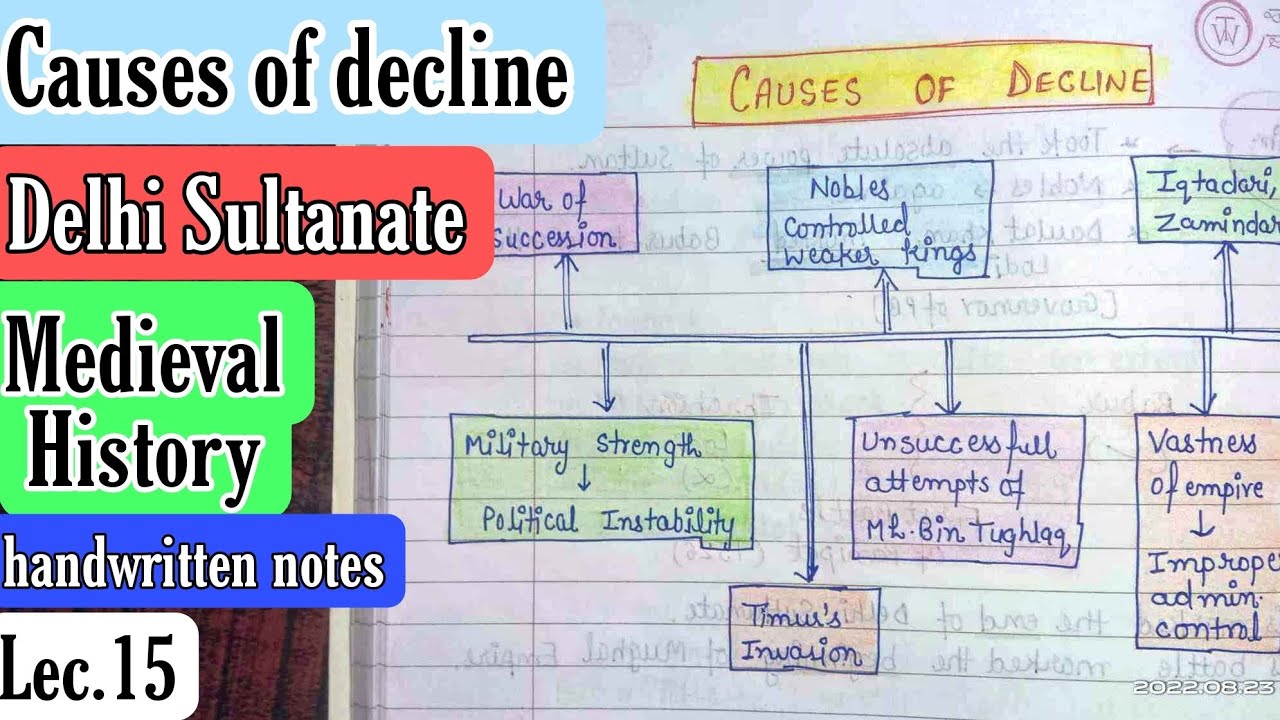
- (i) Regular and widespread rebellions broke out across the empire, starting in the later years of Muhammad Tughlaq's rule and continuing through Firuz Shah Tughlaq's time.
- (ii) Major provinces, including Bengal, Mabar, Warangal, Kampili, parts of West Bengal, Awadh, Gujarat, and Sindh, started big uprisings that directly challenged the ruler's power.
- (iii) The ruler had to make constant and tiring trips to fight these rebellions, which drained money, exhausted troops, and slowly broke down the main government system.
Rise of the Vijayanagara and Bahmani Empires Amidst Delhi Sultanate's Decline
As Delhi lost its grip on distant lands, a power gap opened up. This allowed strong new kingdoms to form and grow quickly in South India and the Deccan.

Founding of the Powerful Vijayanagara Empire
Two brothers, Harihara and Bukka, who were once officers under the Tughlaqs, took advantage of Delhi's troubles to start the strong Vijayanagara Empire. This kingdom grew fast and soon ruled over most of southern India.
- (i) Under Harihara and Bukka, the creation of the Vijayanagara Empire became a major historic event that brought southern lands together into a strong Hindu kingdom.
- (ii) This empire acted as a firm regional power that stopped the shrinking Delhi Sultanate from reclaiming territory in the south.
Establishment of the Bahmani Sultanate
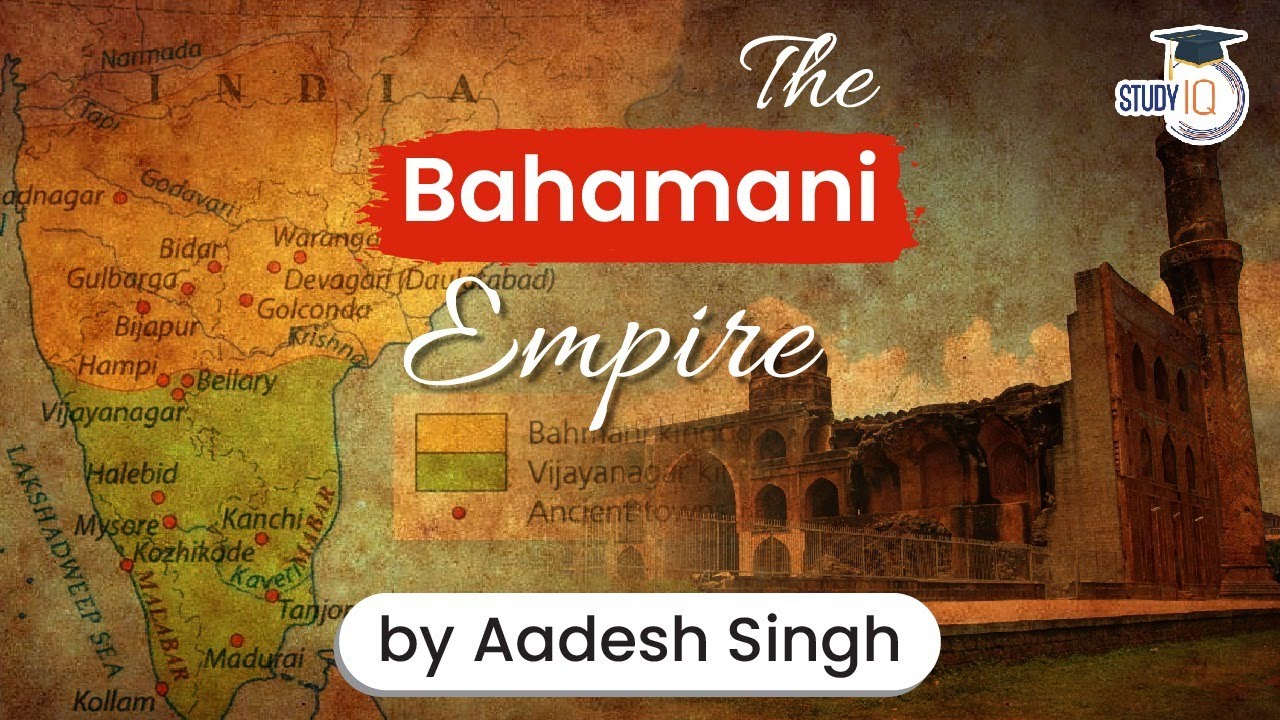
Around the same time, foreign nobles and army officers in charge of the Deccan provinces rebelled against Delhi's weak rule, creating the independent Bahmani Empire.
- (a) Driven by local desires and anger, this breakup led to the creation of the Bahmani Empire by Alauddin Bahman Shah (Hasan Gangu).
- (b) The growth of this strong Muslim state in the Deccan permanently spread power away from Delhi and stopped the Sultanate from controlling the south ever again.
Firuz Shah Tughlaq's Policies and Their Long-Term Impact on the Delhi Sultanate
Firuz Shah Tughlaq tried to steady the failing state through administrative and money reforms. But these moves were constantly ruined by regional pressures and endless local revolts.
Administrative and Military Reforms for Internal Stability
The ruler stopped trying to conquer new lands and focused on keeping what he had. He made rules to please strong nobles, army leaders, and religious scholars to keep peace inside his borders.
- (i) He chose not to waste money trying to retake South India and the Deccan, keeping his troops focused on easier northern areas.
- (ii) The ruler ran smaller, successful military trips into Bengal and Kangra while building public works and starting economic projects.
- (iii) He made official positions and land grants hereditary. While meant to build trust, this actually made nobles too strong, setting up future breakup of the state.
The Devastating Impact of Timur's Invasion on the Delhi Sultanate
The crushing attack by the Turkic-Mongol leader Timur in destroyed Delhi's power, economy, and population, dealing a final blow to the empire.
Timur's Sacking of Delhi and Its Long-Term Consequences
The attack on the capital city was harsh and complete, destroying what little respect and power the Sultanate had left.
The destruction and looting of Delhi by Timur's army in 1398. - (i) Timur's soldiers looted Delhi completely, causing massive loss of lives and money.
- (ii) Hundreds of skilled craftspeople, workers, and builders were captured and taken away to build up Timur's capital in Samarqand, leaving Delhi without skilled talent.
- (iii) The invasion, followed by disease and lack of food, wiped out wealth and military power, turning the Sultanate into a tiny, weak regional state.
⚡ Quick Revision Capsule: Decline of Delhi Sultanate
Key events and outcomes that shaped the fall of central authority in late 14th-century India:
| Factor / Event | Key Details | Historical Outcome |
|---|---|---|
| Internal Rebellions | Uprisings across Bengal, Gujarat, and Sindh during . | Weakened Delhi's main central army. |
| Rise of Vijayanagara | Founded by Harihara and Bukka in southern lands. | Created a strong Hindu kingdom independent of Delhi. |
| Rise of Bahmani State | Founded by Alauddin Bahman Shah in the Deccan. | End of Delhi's political authority over southern regions. |
| Firuz Shah's Reforms | Made army and noble posts hereditary for short-term peace. | Gave local nobles too much power against the king. |
| Timur's Invasion | Attack in with massive looting of Delhi. | Destroyed wealth, population, and central power. |
📝 Summary
The fall of Firuz Shah Tughlaq's line and the breaking of the Delhi Sultanate during the late came from endless local revolts, weak policies, and Timur's destructive attack in . The rapid growth of independent states like the Vijayanagara and Bahmani empires split political control across India for good. Studying this shift helps us understand how medieval Indian power changed over time.
🚀 Quick Revision Points
Essential facts to review before examinations:
- (i) Persistent rebellions in distant provinces eroded central administration.
- (ii) The Vijayanagara Empire was established by Harihara and Bukka.
- (iii) The Bahmani Sultanate was set up in the Deccan by Alauddin Bahman Shah.
- (iv) Timur's invasion in completely destroyed Delhi's economic and political core.
- 💡 Exam Tip: Focus on how Firuz Shah's hereditary post policy created strong local nobles, which led directly to state breaking up after his death.
❓ Frequently Asked Questions (FAQ)
Q1: Who established the Vijayanagara Empire during Delhi's decline?
A1: The empire was founded by two brothers, Harihara and Bukka, who were previously officers under the Tughlaqs.Q2: What was the main flaw in Firuz Shah Tughlaq's administrative reforms?
A2: His policy of making military and administrative positions hereditary weakened central rule by giving excessive power to local nobles.Q3: What was the impact of Timur's invasion in 1398?
A3: Timur's forces looted Delhi, carried off skilled craftspeople to Samarqand, and caused severe loss of life, reducing the Sultanate to a small regional state.